Washington Arts: A Closer Look at Light and Space
Watch light, materials and scale change across Washington, DC performance rooms and Asian art displays. A campus auditorium, independent music and historic theaters frame seven separate outings, with a gallery visit as a slower interval. Check the chosen public program and current entry conditions before leaving.
Monday Campus Perspectives
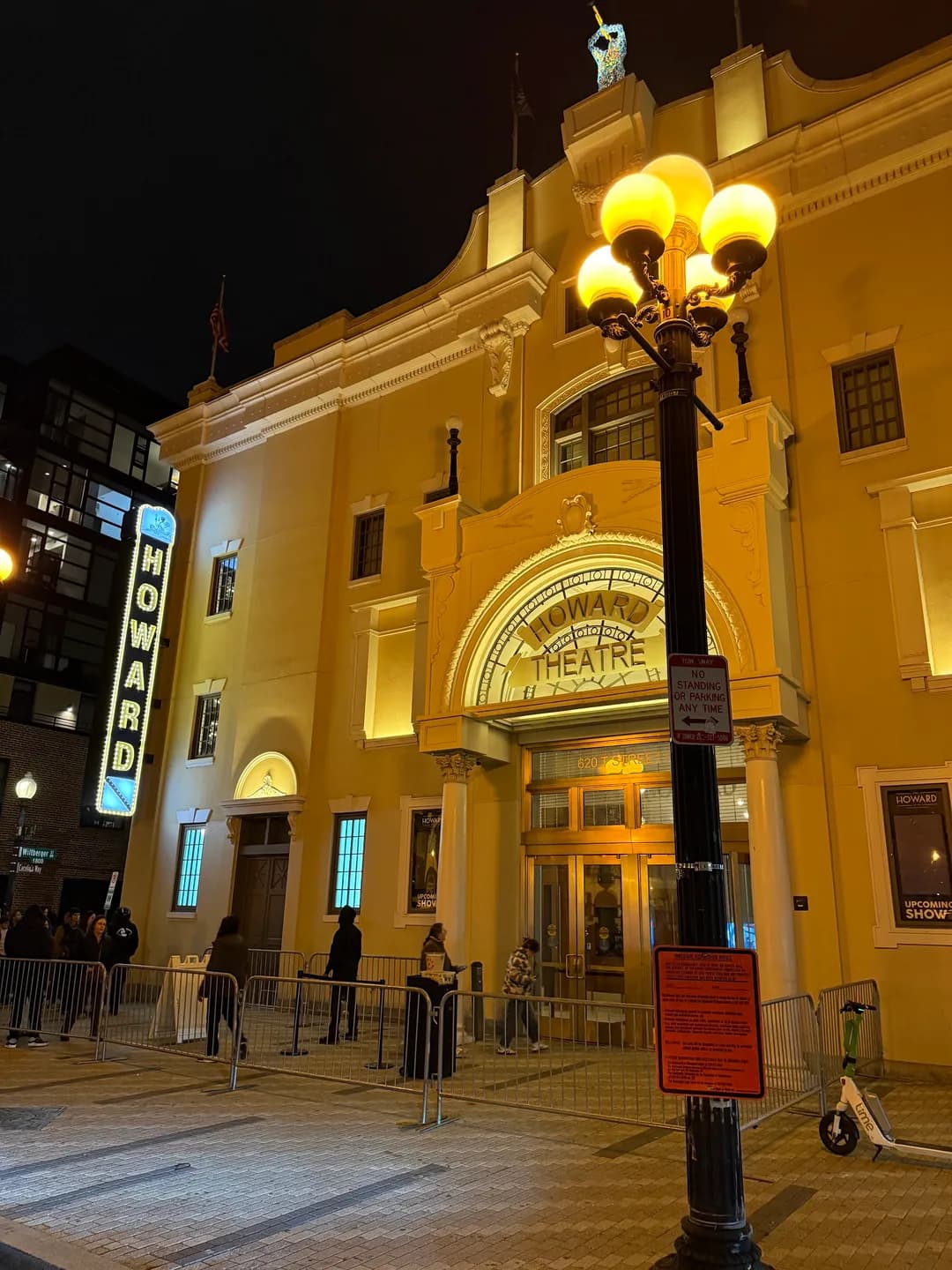
Cramton Auditorium feels larger inside than its exterior suggests. This historic Howard University venue gives art students a focused starting point for comparing performance spaces. Visitors praise its clear sound and lighting. At a public performance, shift your attention from the room's scale to the stage. Check current public programs, ticket details and entry rules before going. Pack a warm layer, since some visitors report a very cold interior.

Tuesday Alternative Rhythms
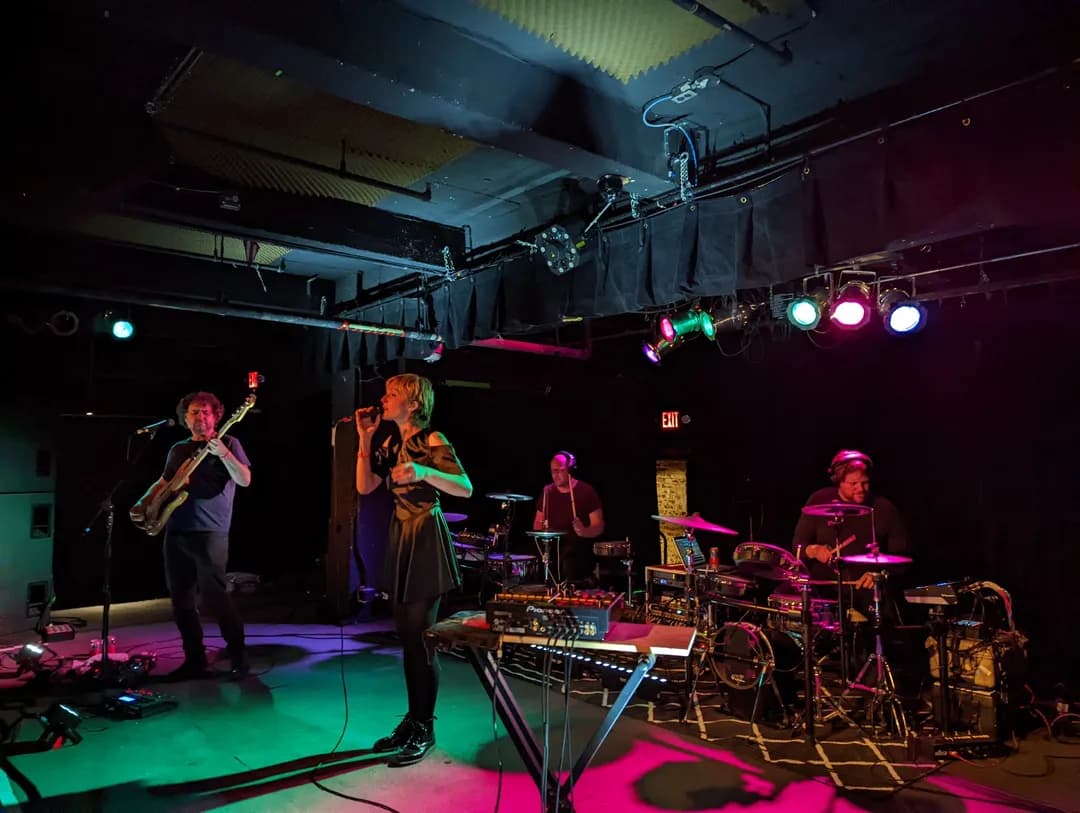
Check the current program, tickets and age rules before heading to Black Cat. Creative workers can trade studio concentration for independent music in its unpolished, multilevel space. Mainly standing room sets an active pace, with side seating offering a pause. The bar and cafe include vegan options. The contrast between standing and sitting makes this a useful stop for observing how a room shapes the experience of live performance.
Wednesday Comic Intimacy
Audience reactions offer another way to read a performance space. The Sage stages interactive comedic productions in a small room. Friendly casts draw viewers into the play. For art students, that closeness makes participation a useful subject to observe. Let the focus shift from spatial detail to exchanges between performers and spectators as the show unfolds. The venue is 21+. Check current productions and ticket details before setting out.

Thursday Layered Expression
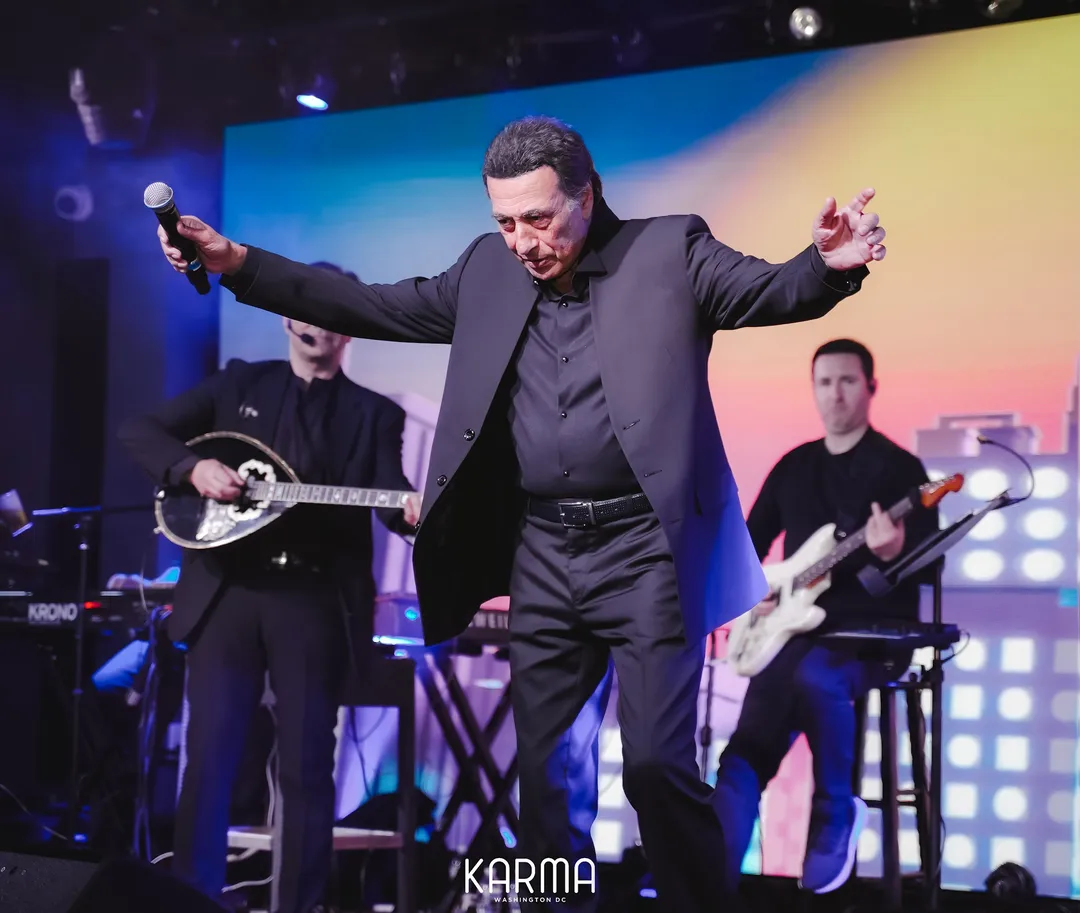
An industrial lot in Ivy City frames Karma DC Live Music Venue. Check the current program, tickets and age rules before setting out, and ask about seating, since availability varies. For subculture supporters, its multilevel layout rewards attention beyond the stage. Live music or spoken word can occasionally coincide with live painting. Shift attention from the main stage to the backyard patio for a change of pace.
Friday Contemplative Stillness
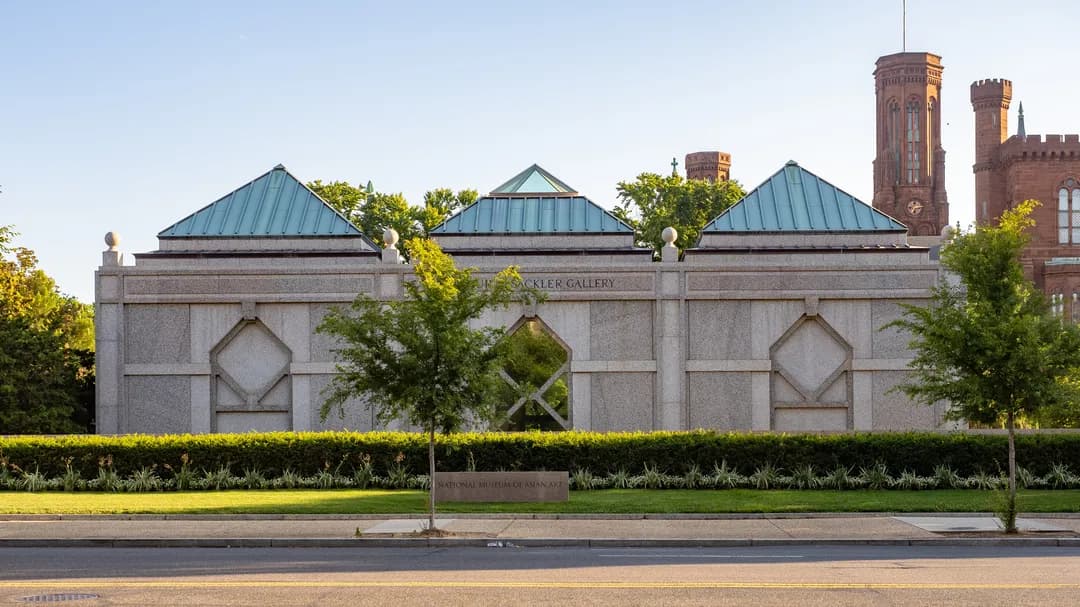
Paintings and ceramics reward a slower kind of attention at the National Museum of Asian Art. For art students, this serene Smithsonian gallery offers a useful shift from live performance to close observation. Compare how artists handle surface and form across centuries of Asian artwork. Include James McNeill Whistler’s Peacock Room in that study of space. Admission is free. Before setting out, check current gallery hours and which displays are on view.
Saturday Staging Craft
Check current programs, ticket terms and age rules before heading to Warner Theatre. This century-old landmark near the White House hosts major concert tours, comedy acts and dance performances. For creative workers, the contrast with Friday's gallery study makes live movement worth watching closely. During a show, notice how light draws attention to a gesture. Let the performers set a livelier pace for this separate outing.

Sunday Architectural Heritage
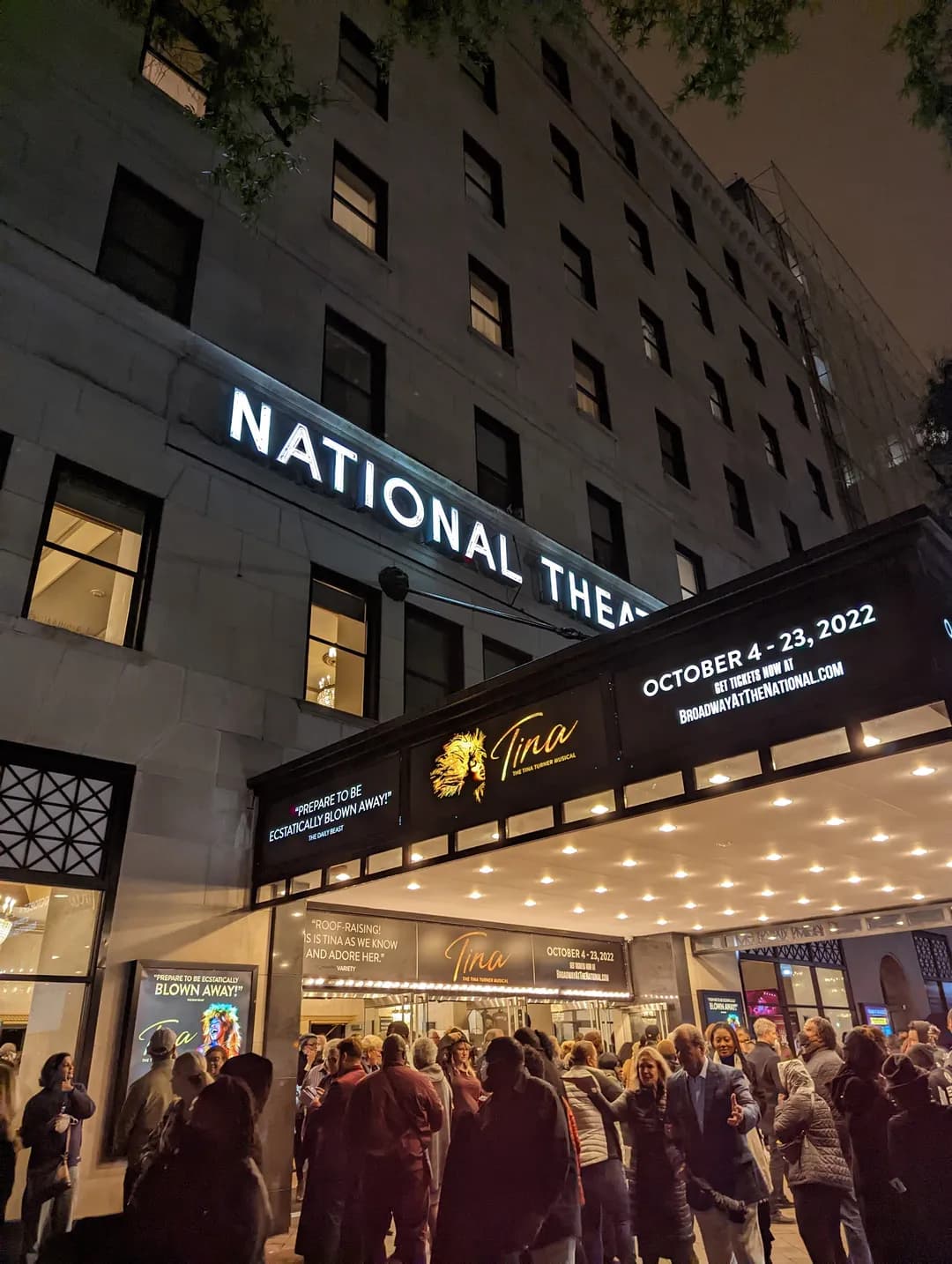
Chandeliers and balconies give touring Broadway a formal setting at The National Theatre. For art students, this is a useful finale to the week's study of performance spaces. Let your attention move from the auditorium's decoration to the stage as a show begins. Visitors praise clear views even from balcony seats. Check current productions, ticket availability and entry rules before setting out. Allow extra time for the crowded exits visitors report.