
A Warm-Line Route Through Downtown Building Systems
Begin beside the bar at The Boiler Room, then compare photographed overhead routes at The Bell House and Littlefield. Across three public venues, the experience separates what the eye can verify from what an unlabeled pipe cannot prove.
Three Rooms, One Reading Method
Low-Line Warmup
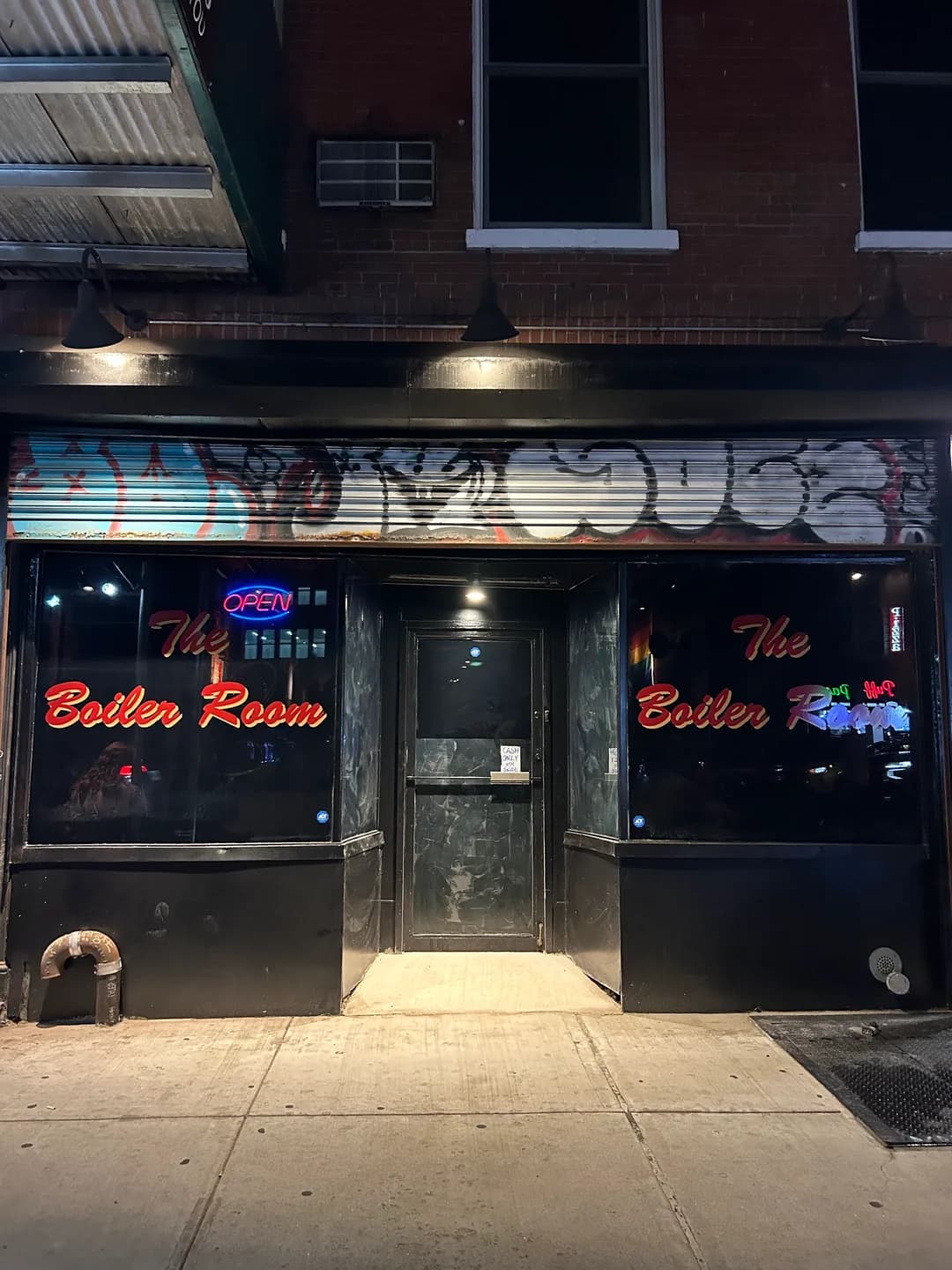
Start with the radiator running beneath The Boiler Room’s bar, a visible metal heat emitter set against brick and red light. The venue’s name does not prove what feeds it, so keep the observation narrow. Trace the radiator first, then follow only the lines you can actually see. The room is a classic East Village gay dive bar, and the exercise is about reading its visible hardware without assigning an unseen boiler.

Service-Layer Sort
The Bell House puts its ceiling structure in plain view above a converted Gowanus warehouse room. Silver ducts cross dark beams while red and gray runs hold parallel paths overhead. Separate each route by color, diameter, and destination before guessing what it carries. A duct moves air, while a pipe may serve several systems. The photograph supports a map of visible services, not a claim that every line carries heat.

Boundary Pause
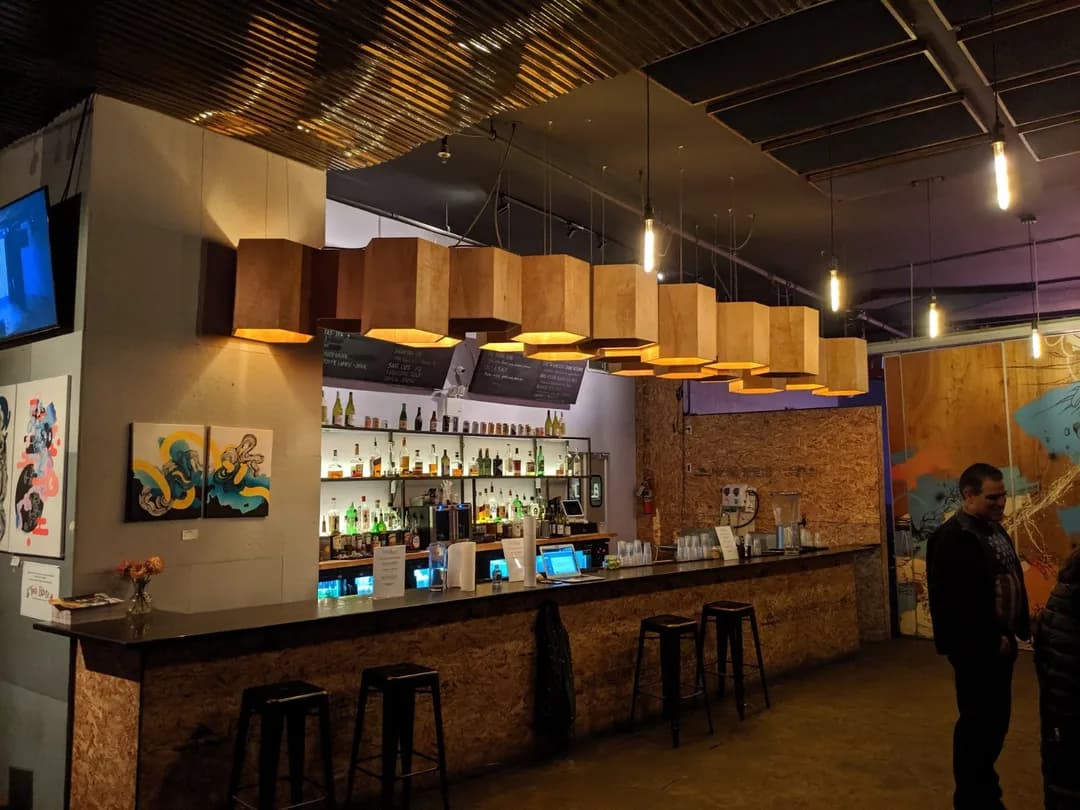
Littlefield’s bar area hides very little above eye level. Straight dark runs, suspended lights, and larger ceiling elements cross the former warehouse interior, giving you a second comparison point. Follow one uninterrupted line until a junction, bend, or wall makes the route uncertain. Stop there instead of filling the gap with a story. Visible infrastructure can be documented precisely even when its contents and heating role remain unknown.