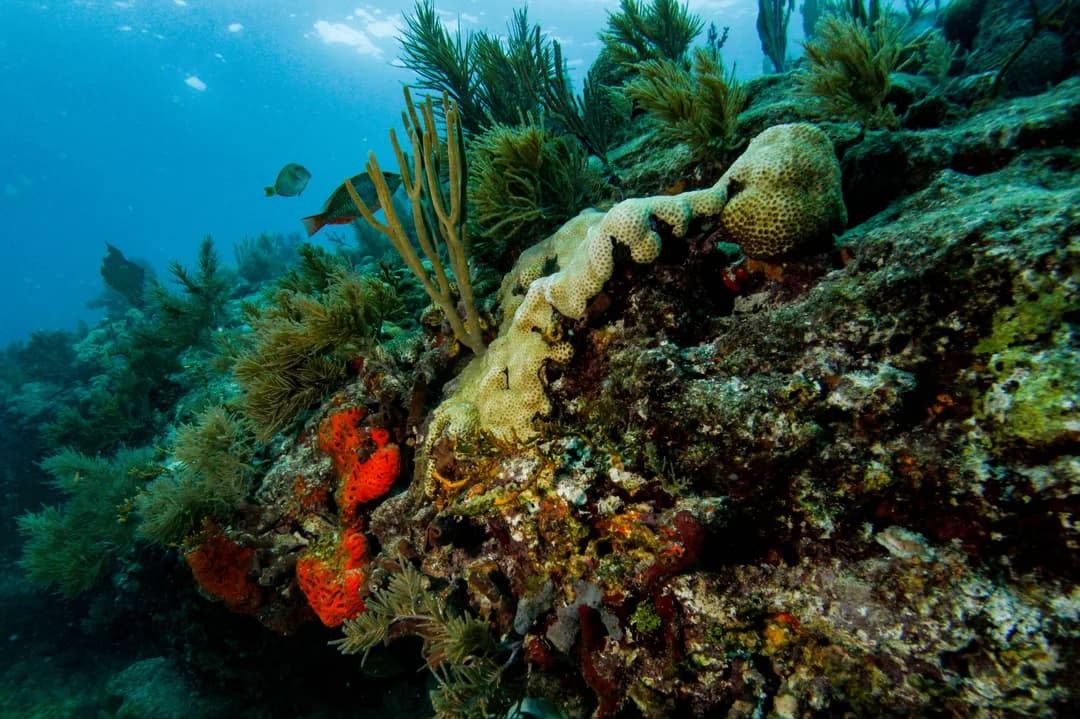

Two Reef Sites Off Key Largo, Chosen by the Captain
A two-tank reef dive out of Key Largo for divers who already hold an Open Water card. The captain picks the two sites on the day of the trip, reading that day's wind and sea. Tanks and weights are included; everything else rents separately.
You book a seat. You do not book a reef.
The captain picks the two sites on the day of the trip, reading that day's sea conditions, and the listing states plainly that no specific site is guaranteed. Molasses, Elbow, French Reef and the Christ of the Abyss statue on Dry Rocks are all in the rotation. Which two you get is a weather call made on the day, not when you book.
This is a certified-diver trip. The operator requires an Open Water card and says anyone who cannot prove the right level will not be allowed to take part.
That one line decides more than anything else on this page.
Two tanks, two sites, one half day. The boat runs twice a day, seven days a week, out of a marina on Overseas Highway in Key Largo.
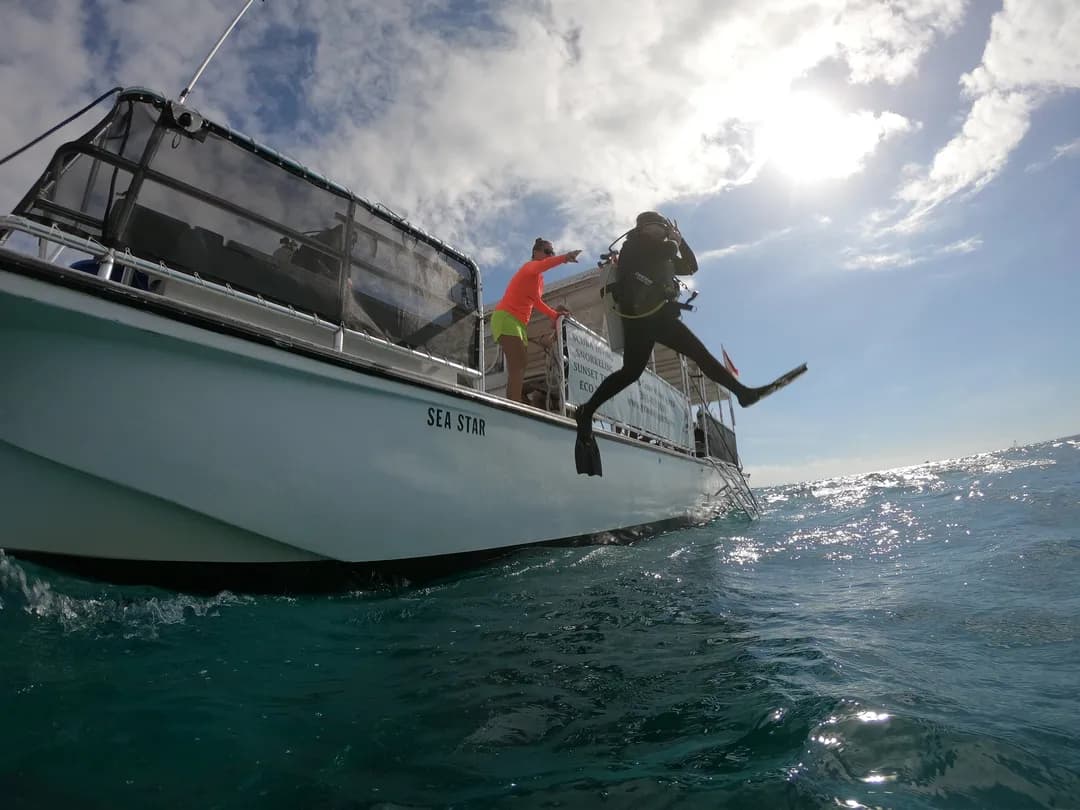 Half Day Scuba Diving Trip in the Florida KeysTwo-tank reef dive from Key Largo, run twice daily. Open Water certification required. Air tanks and weights are included; scuba equipment is not.www.viator.com
Your Card Gets You on the Boat
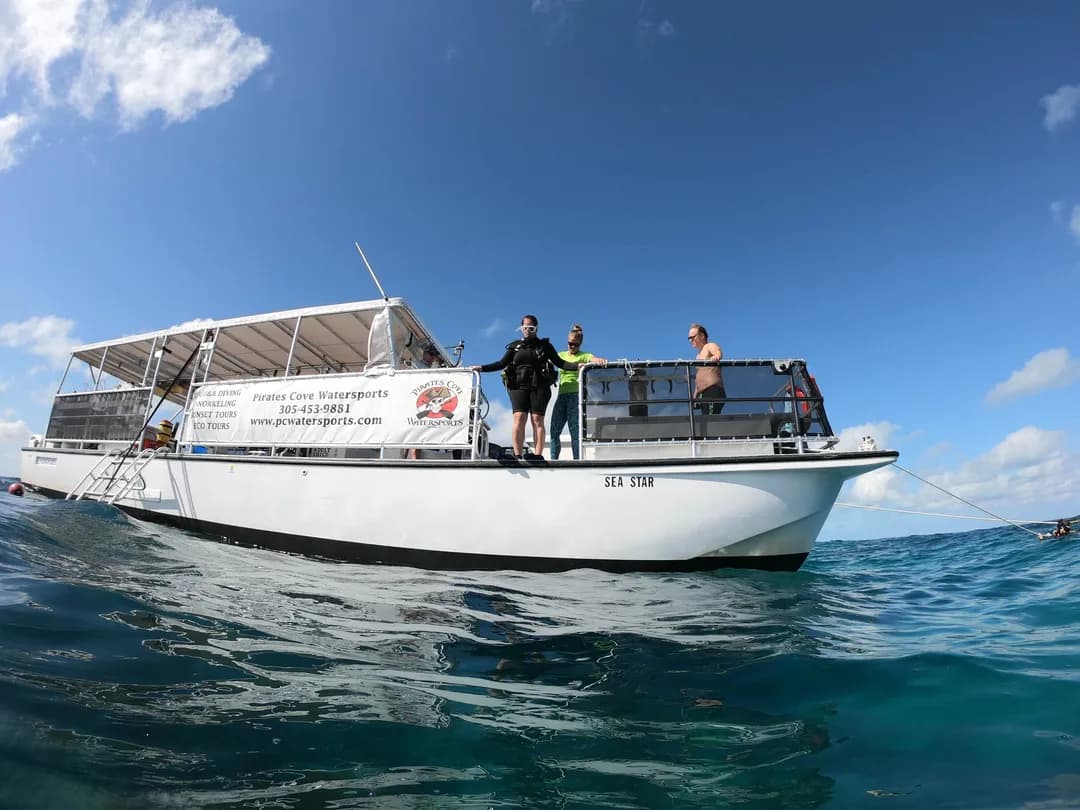
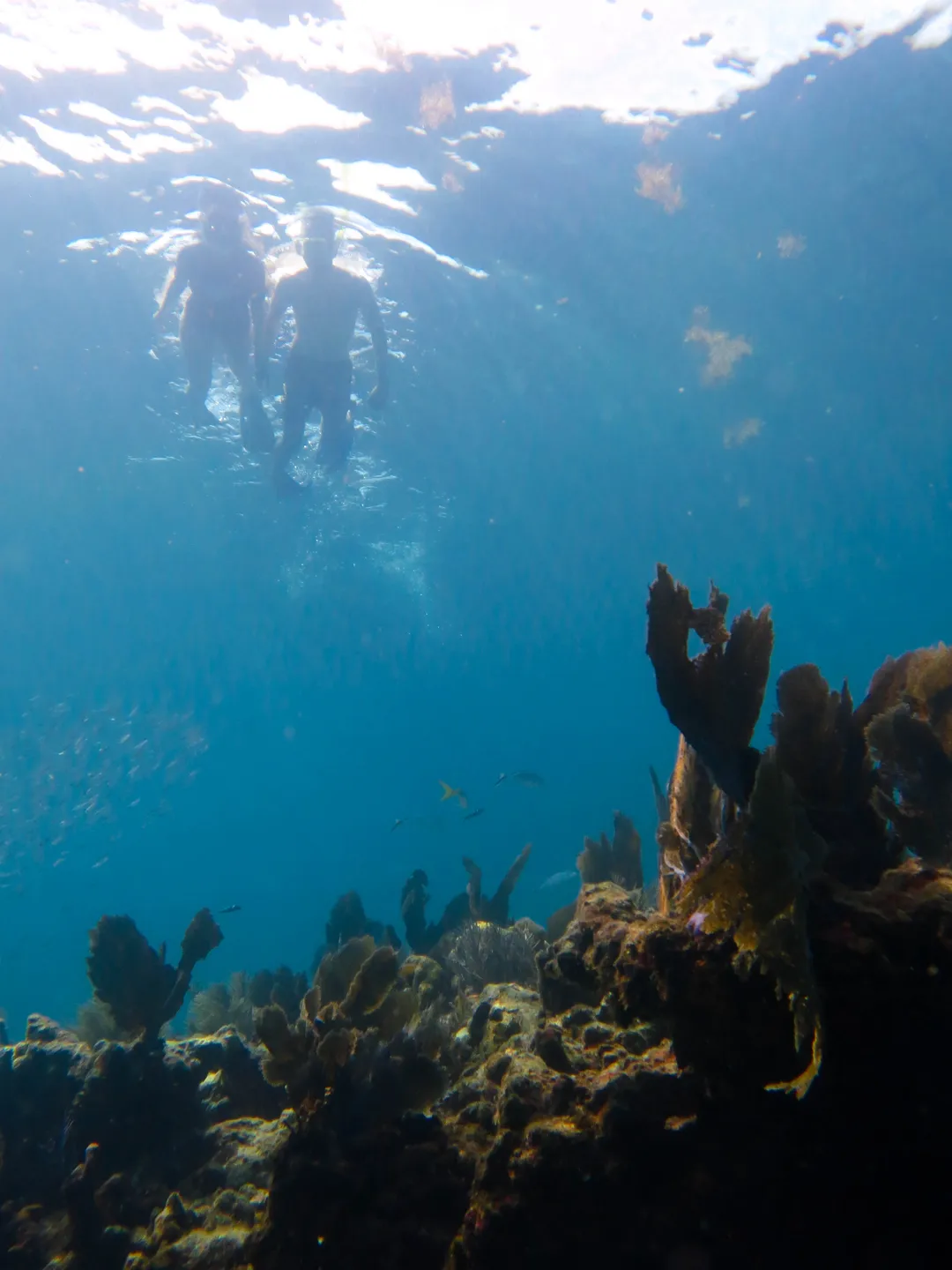
The operator asks for an Open Water certification and proof of it at the dock. Its policy page says participants must present a valid Picture ID Card from a recognized scuba training agency at the level it requires for the activity, and that customers who cannot prove that level will not be allowed to take part. The notes that come with a reservation name PADI, SSI, SDI, NAUI and YMCA, and say digital certification cards are accepted, so the card in your phone counts.
Lapsed divers are handled on a sliding scale. More than twelve months since your last dive and a hired guide is required for your first dive, at extra cost. More than twenty-four months and you either take a skills update with one of the operator's instructors or show proof of a recent refresher. Solo diving is out as well. The operator pairs single divers at check-in when it can, and when it cannot, the guide is compulsory. It states that refusing one means no refund.
One rule catches people out and is easy to miss: the operator does not allow full face masks. It says so in capitals on its own trip page.
Swimming is the other quiet gate. The operator says every participant has to know how to swim, and that anyone who cannot will not be taken in the water.
Every participant signs a liability waiver, and the operator wants it done before you arrive, on its own form. For anyone under eighteen, a parent or legal guardian has to sign it, and the operator states that friends and family cannot legally do that. If the parent will not be at the dock, settle it before the day.
A Sanctuary Reef With High Profile Coral
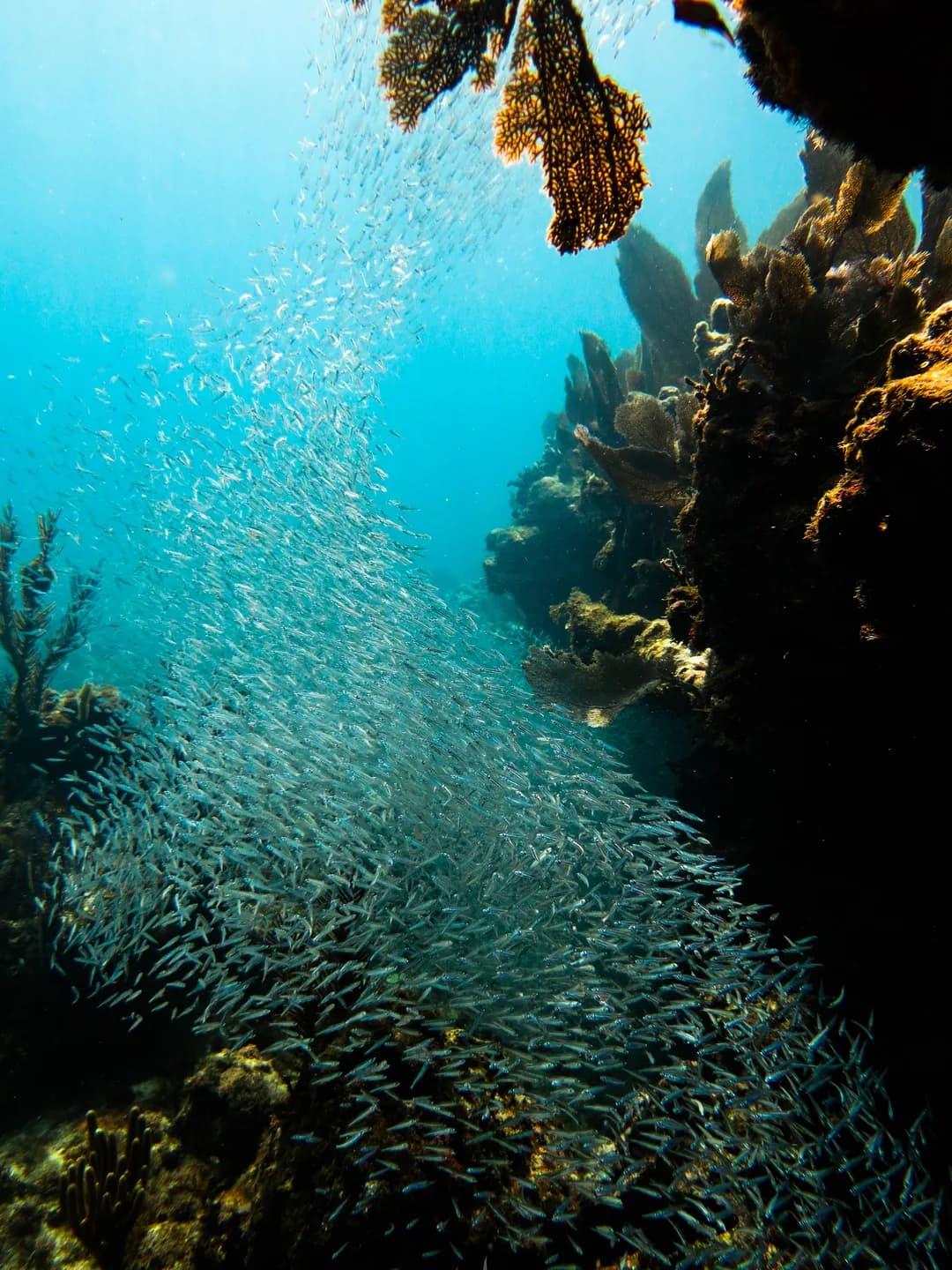
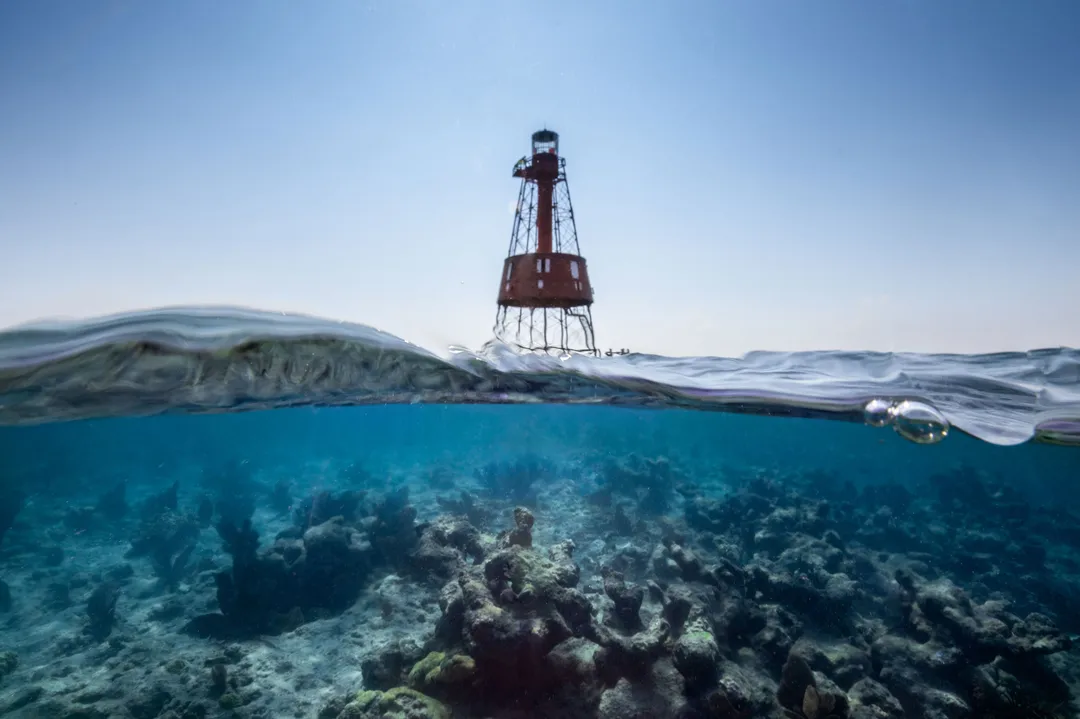
The operator publishes two depth ranges for this trip and they do not match. Its reef description puts the coral at twenty to thirty-five feet, close enough that you can be anywhere from five to fifteen feet off it. The notes that come with a reservation put the reef sites at fifteen to forty-five. Plan your air for forty-five feet and you are covered either way.
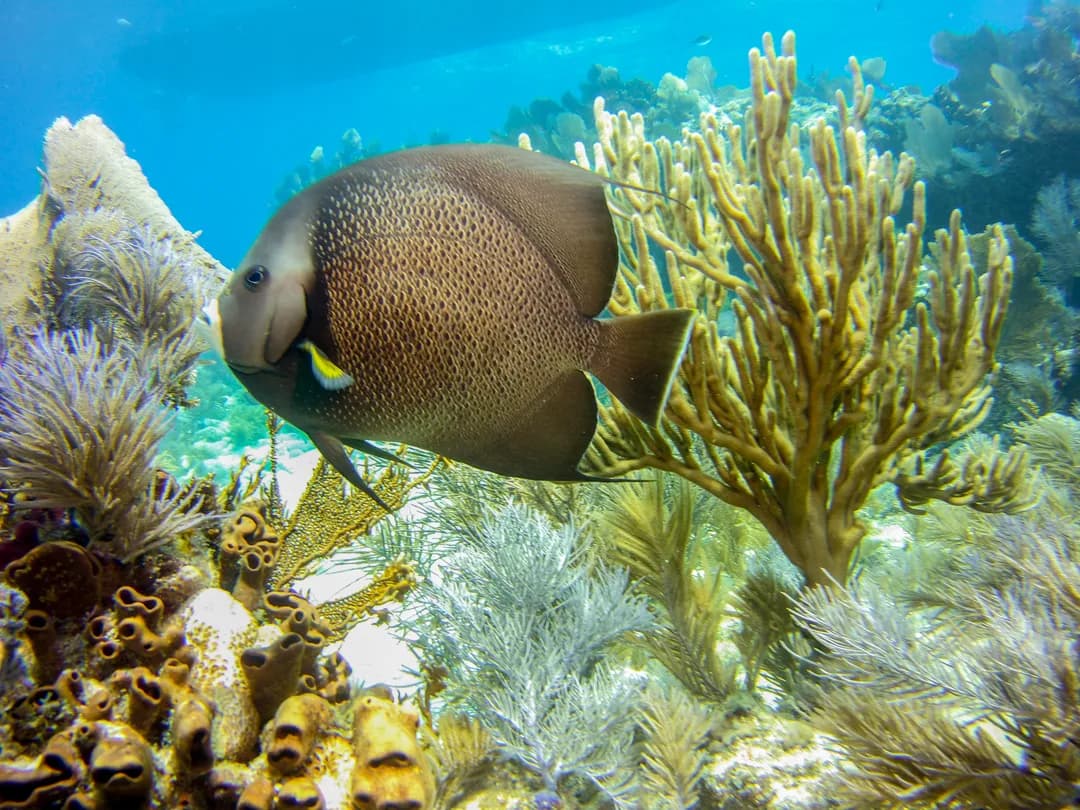
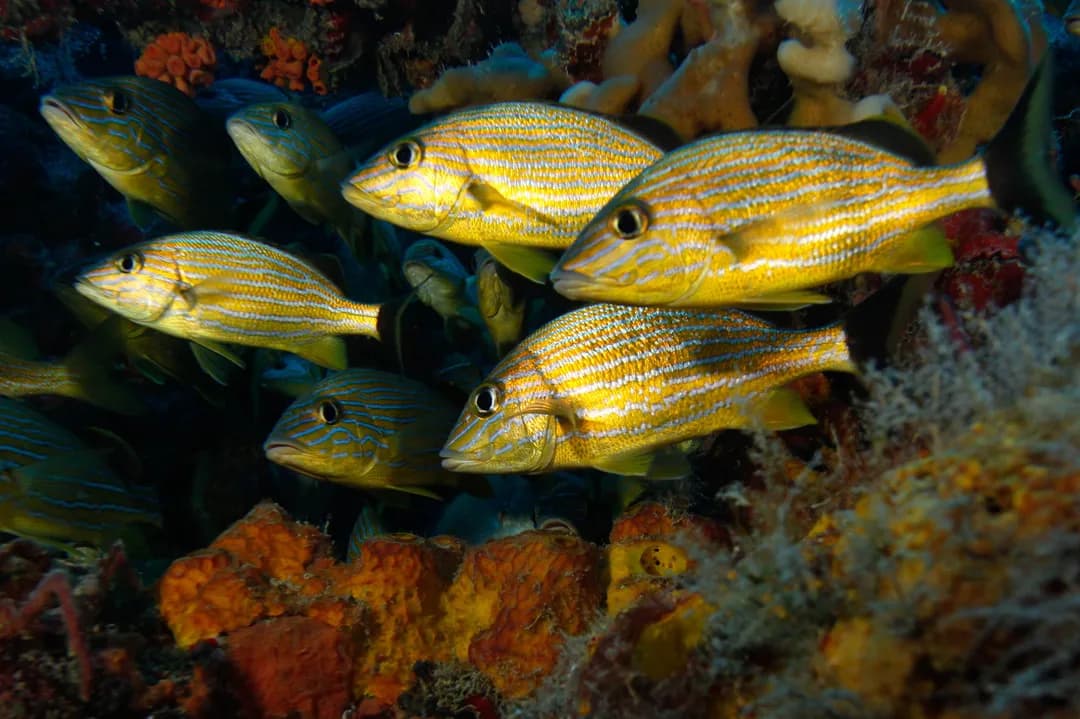
What lives down there is why the sites are protected. The listing names turtles, spotted eagle rays and moray eels. The operator describes this reef as the third largest living reef system in the world and the only living coral reef in the United States.
The protection comes with a rulebook. Molasses Reef and Key Largo Dry Rocks are both sanctuary preservation areas inside the Florida Keys National Marine Sanctuary, and NOAA prohibits touching or standing on living or dead coral inside them, along with fishing and collecting. Diving and snorkeling are what those zones are for. NOAA also lists Pirates Cove Watersports among its active Blue Star dive operators and says only the businesses on that list count as certified. The operator asks you to watch the sanctuary's short Blue Star video before you arrive, to skip aerosol sunscreen that day, and to use the reef-safe mineral sunscreen it keeps on the boats.
The named sites carry their own reputations. Christ of the Abyss, the bronze figure standing on Dry Rocks, sits in an average of twenty-five feet of water by the operator's own reckoning, shallow enough that snorkelers reach it too.
Tanks Are Included. Everything Else Rents.
Your booking covers the boat, the air and the weights. Scuba equipment is listed as excluded, so budget for rental before you get to the dock. Bottled water is all the listing counts as included, and towels are explicitly excluded. The operator's own list for the boat runs longer: drinking water, a snack, a shared cooler and dry storage, with a note that it is not responsible for anything lost or damaged there. Bring your own food and drink if you want, and a small cooler if it fits under your seat.
The operator publishes its rental rates:
- Full package, meaning BCD, regulator, computer, wetsuit, mask and fins: USD 40 plus tax
- BCD, regulator and computer alone: USD 25 plus tax
- Wetsuit on its own: USD 10 plus tax
- A 32 percent nitrox fill: USD 15 plus tax
Guides are the line to read twice, because the operator words them two ways. Boat dives come without one. The notes attached to a reservation price a shared guide at USD 50 for the first diver and USD 30 for each additional diver in the party, and a private guide at USD 275. The rates page on its site reads USD 50 per diver, with USD 30 for two or more divers from the same family, capped at six. Those two do not produce the same bill for a pair, and the reservation notes are the version that travels with your booking, so budget from them.
Rented gear is handed out as you board, and the operator asks your shoe size at that point. Jellyfish turn up from time to time, and its advice for anyone sensitive to stings is a wetsuit or a rash guard. It rents the first and sells the second.
Two requirements sit outside the rental list altogether. At least one diver in each buddy team has to carry a timing device, and the operator calls a dive computer required for deep dives.
The Booking Time Is Not the Departure Time
The two booking slots read 8:30 AM and 1:00 PM. Those are check-in times. The operator's own schedule puts departure at 9:00 AM and 1:30 PM, and states that the boat does not wait for late arrivals. Boarding and the safety briefing sit in between, at 8:45 and 1:15.
Build in road time. The operator calls Keys traffic unpredictable on weekends, holidays, through the summer and in late December, and asks anyone driving from Miami or Key West to allow at least two hours.
Give the day more room than the booking suggests. The listing puts the trip at three and a half hours. The operator says each trip runs about four hours. Plan on four.
The ride out is a real part of that. The operator puts its most popular Molasses Reef sites about thirty-five minutes from the dock, and the longer runs at up to fifty-five minutes.
Conditions decide the rest. The operator says locations are selected daily on weather and ocean conditions, that the captain may change sites or boats without notice, and that specific reefs and marine life cannot be guaranteed. Seasickness is not refundable, and the operator sells motion sickness tablets on board if you forget your own. Cancel at least twenty-four hours before departure and the full amount comes back. Inside that window nothing does.
Parking is free for their guests, and the operator is specific about where it goes: any open-face space on the property, or the big blacktop lot on your right as you pull in. The covered parking under the hotel is the exception, reserved for registered Reefhouse guests, and the operator says cars left there without authorization are ticketed and towed at the owner's expense. The resort around the dock works the same way. Its pool and guest areas are for hotel guests wearing a Reefhouse wristband, Gus's Grille is the one part open to everyone, and the operator says anyone using the rest without one can be asked to leave, with no refund if that costs them the trip.
Check in at the teal building in the center of the property, directly in front of Gus's Grille and next to the pool. The booking page sends you to a blue building in the middle of the marina, so use the pool and the grille as your landmarks. Find it, show your card, and the rest of the trip belongs to whichever two reef sites the captain picked on the way out.