
A Trust-Led Route Through Downtown Credit Clues
Start with Chinese American collections on Centre Street, enter preserved immigrant apartments on Orchard Street, and finish among coins, tokens, and paper money in the American Numismatic Society. The route tracks how people made value legible when trust lived close to home.
Three trust systems in view
Counter trust, first look
At the Museum of Chinese in America, exhibitions and archives trace Chinese American hardships, contributions, family shops, and everyday objects. A reconstructed general store and herbal medicine drawers make exchange feel physical rather than abstract. Read the counter as a trust surface. Labels, stock, and repeated neighborhood contact show the setting in which reputation could carry weight before a distant institution entered the picture.

Household ties at midday
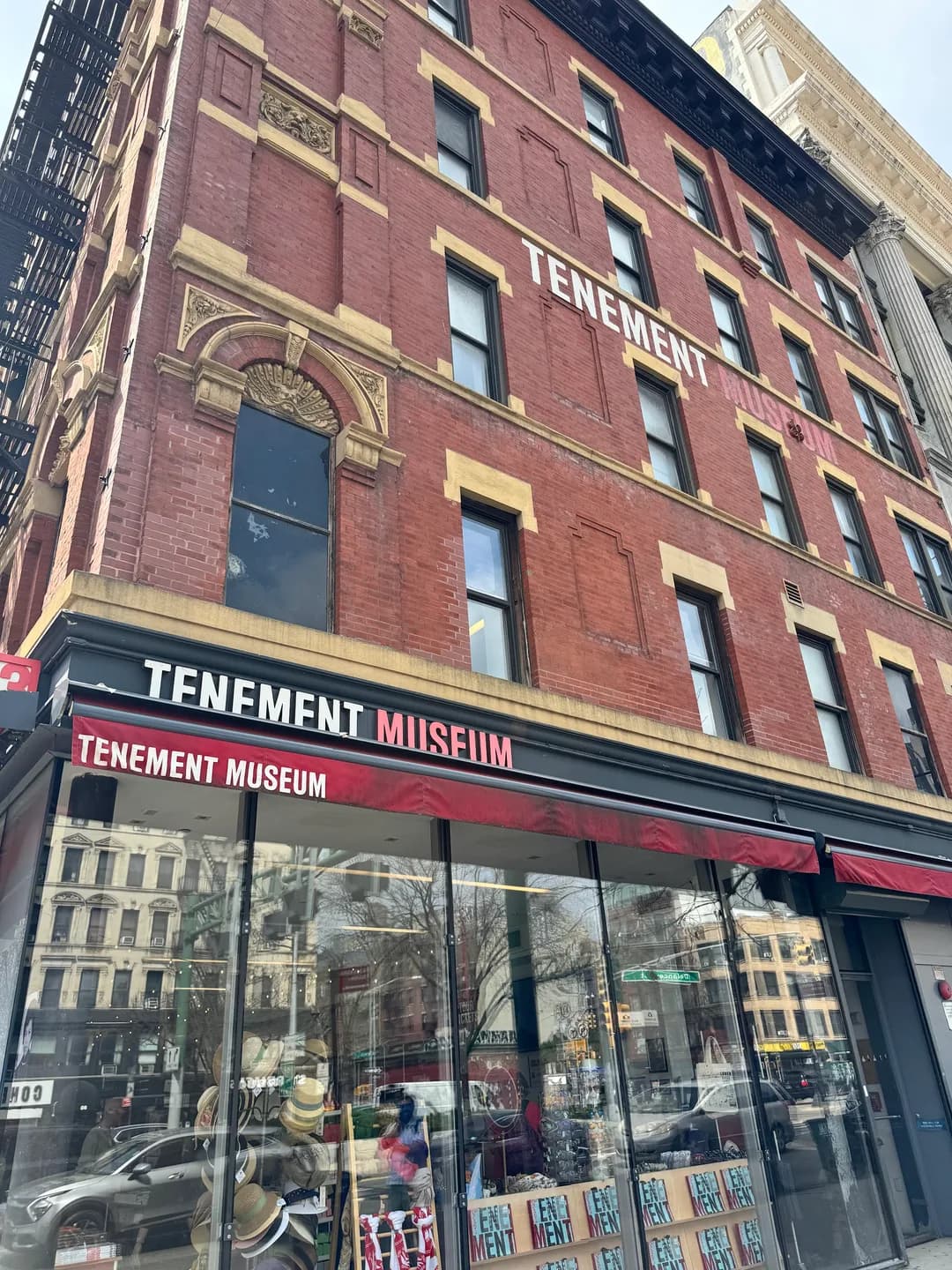
Inside the Tenement Museum, preserved apartments turn immigrant family history into rooms, furniture, and close quarters. The domestic scale matters for this study: obligations were remembered by people who saw one another often, not only by institutions keeping formal files. Compare the shared rooms with a bank ledger. The stop grounds informal finance in household proximity without pretending the apartment itself was a lending office.

Portable value, final lens
The American Numismatic Society holds a research collection of coins, medals, tokens, and paper money with its own library and archives. Here the route shifts from relationships to objects that record value. Look for the issuer behind each piece. A token can reveal who was trusted to define an exchange, while a paper note shows how that promise became portable across a wider network.


