
Three Private Wildlife Tours Inside Rocky Mountain National Park
The animals feed at the edges of the day, so this operator runs three private departures timed to them. You pick which one: first light for birdsong, a full day across the habitats, or an evening that ends above treeline.
Animals in Rocky Mountain National Park keep their own schedule, and it rarely matches a visitor's. Elk and moose feed in the open early and late, then move into timber through the middle of the day. The park's own timed-entry window runs nine in the morning to two in the afternoon. Those are the hours it has to ration because that is when everyone wants in, and they are precisely the stretch the animals spend out of sight.
This operator sells the other hours. Three private departures run at different ends of the day, each built around when something is likely to be moving, and each in a vehicle carrying nobody but your own party.

Three options share one guide and one private vehicle. What changes is the hour you start, how long you stay out, and which animals are likely to be awake for it.
 The Premier Wildlife Tours in Rocky Mountain National ParkPrivate wildlife tour in Rocky Mountain National Park with a naturalist guide. Three durations, two-adult minimum, departures from Estes Park.www.viator.com
The Guide Is the Product Here

The operator is a one-guide outfit. Colorado's business register has the company on file since April 2014 and still in good standing, which is about where the independently checkable part ends. The remainder comes from the operator's own account: a sixth-generation Coloradan who says he has spent more than twenty-five years studying and working with wildlife, volunteered at three sanctuaries and rehabilitation centers between 2005 and 2020, went to wilderness college across 2012 and 2013, then took an apprenticeship in tracking and came out with three Track and Sign certificates covering three regions of the west. He is also a former firefighter who served six years across two departments.
What riders single out is narrower than general praise. They describe him reading animal patterns and habits to decide where to drive, doing animal calls for a nine-year-old who would not stop asking questions, and telling first-hand stories about living around the animals. One review puts it as knowing the animals' habits like the back of his hand.
Birds are the part he brings up unprompted. He took up paragliding to get closer to the ones he watches. That preference shows up in the product list: the earliest departure exists because of birdsong.
Early Bird, Golden Eagle, Night Owl

Early Bird runs about four hours and leaves at six in the morning. It is the short option, and the operator aims it at birders: into the park early enough for the dawn chorus, the narrow window when the most birds are calling at once.
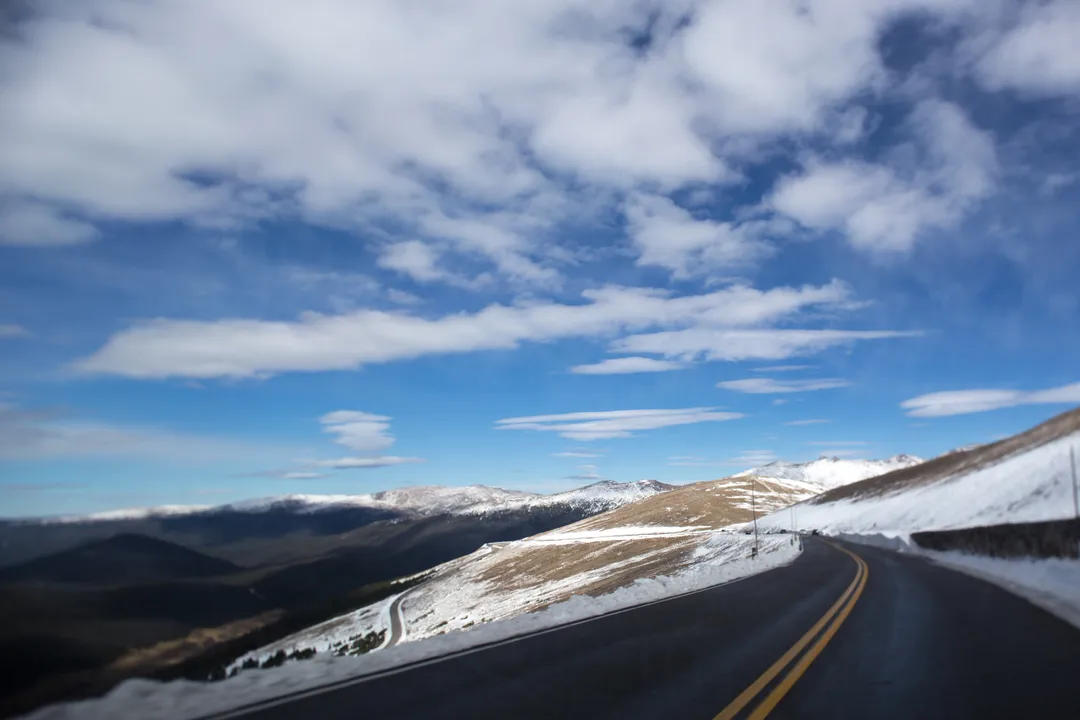
Golden Eagle is the full day, also leaving at six. The operator calls it the tour that made its name here, and the plan is to cross the park's habitats in one day on the theory that more habitat means more species. Geographically that means the high road: forty-eight miles from Estes Park over the divide to Grand Lake, which the state reckons at about two hours of driving each way before anyone stops to look at anything.
Night Owl starts at five in the afternoon and runs about six hours. It works the evening feeding window, then ends with sunset and stargazing from, in the operator's words, over twelve thousand feet. The park's own high road tops out at 12,183 feet and spends eleven miles above treeline, so the elevation claim holds along that stretch.
What a Private Van Actually Turns Up
Nobody else is in the van. That is the mechanism the whole day rests on: a private booking lets the route bend around what you actually find, with no need to balance your interests against six strangers who want lunch. One rider on the full day drew the contrast with companies that go in one direction and one direction only, and said this guide would backtrack for an animal the group had missed.
The booking covers the vehicle, bottled water, snacks, and binoculars and spotting scopes, which on a wildlife tour is the difference between seeing a shape and seeing an animal. The vehicle is air conditioned.
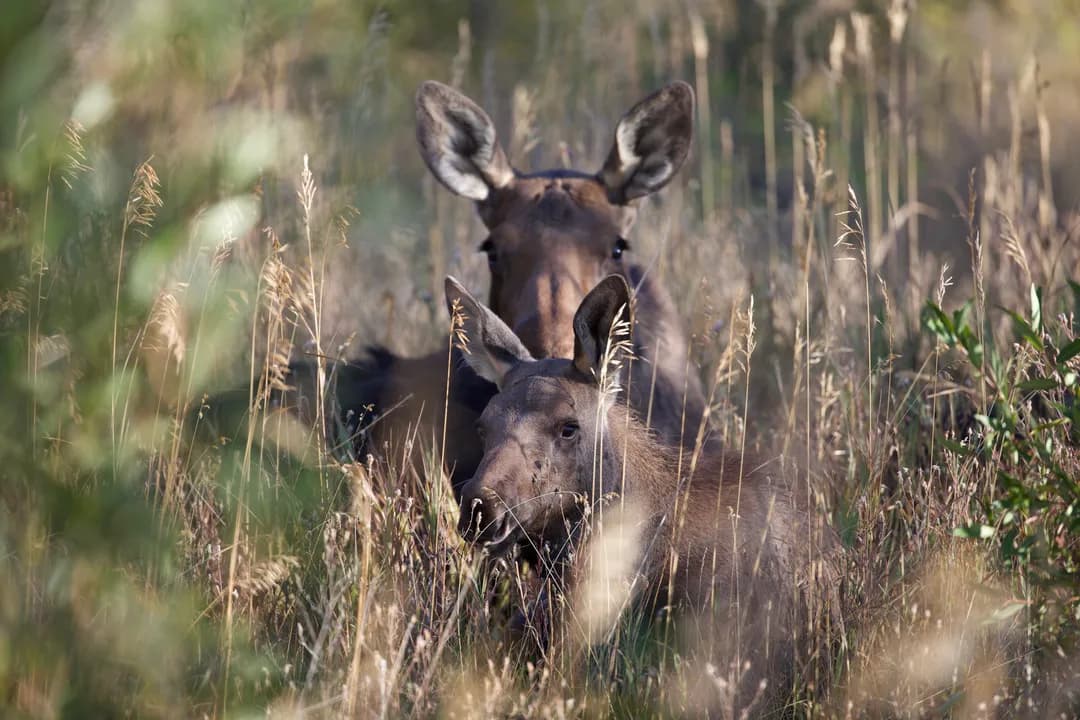
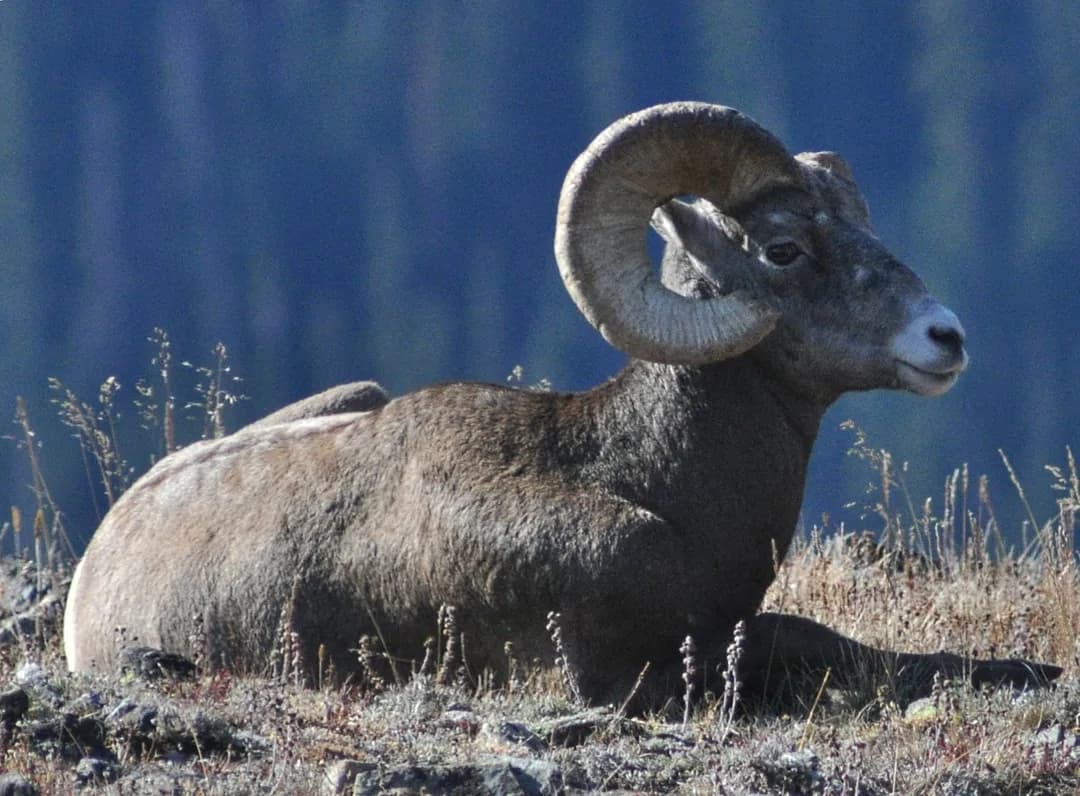
What the arrangement produces, in riders' own accounts, is a longer and odder list than elk and done: moose cows with calves and one set of twins, bighorn sheep, mule deer, coyote pups, a pika, a yellow-bellied marmot, a short-tailed weasel, a hummingbird sitting on her nest, grouse, wild turkey, and a pair of bald eagles that live by the lake. Bears are the conspicuous absence: across thirty-four published reviews, not one mentions seeing one.
None of it is promised, and the better reviews say so themselves. One notes the guide was upfront that sightings are never a guarantee. Strollers are fine for small children, and service animals are allowed.
Season, Timed Entry, and the Meeting Point
The season runs June through September. Dates outside that window come back with nothing bookable at all, so treat this as a summer plan. Weather still gets a vote inside it: one party had their tour cancelled the morning of, for black ice on the high road.
Timed entry is the other summer rule, and it happens not to bite here. The park requires a reservation to drive in between nine and two from late May to mid-October. Commercial tours are exempt from it in any case, and all three of these departures leave at six in the morning or five in the afternoon, outside the window either way.
Park entry itself is worth one direct question when you book. The listing says all fees and taxes are included. The park's own conditions for commercial wildlife-viewing tours state that an operator's clients are not admitted free and must either buy a pass on the way in or already hold one, and who settles that is not something the listing spells out.
Departures meet at the public parking garage beside the Estes Park visitor center, at 691 North St Vrain Avenue: look for the large white van on the first floor. There is no hotel pickup. The booking takes a minimum of two adults, the per-person adult rate comes down as the party grows, and children from five to seventeen ride at one flat rate whichever tour you pick, which quietly makes the full day the best value for a family.
The visitor center garage is free to park in and sits at the hub of the town's seasonal shuttles, so the car you arrive in can stay put for the day. The operator asks for at least a moderate level of fitness, and altitude is part of what that means. One rider came down with altitude sickness mid-tour and credits the guide with salvaging the day.
If you are choosing between the three, the question is less how much time you have than which animals you want. First light is for birds and for the feeding window before the park fills. The full day is for range: more habitats, and better odds on the species that only live in one of them. The evening run trades the middle of the day for a sunset you would otherwise be driving down from.