
This Ocoee Rafting Trip Runs Only on Dam Release Days
The Middle Ocoee is a dam-fed river. Water comes down it on a calendar published months ahead, and Quest Expeditions runs boats on the days it arrives. Here is what the five miles ask of you, who the boat will take, and how the four hours at the outpost actually run.
The Middle Ocoee does not run on its own schedule. Water reaches this stretch when the dam upstream releases it, on dates set out months ahead, and the whole rafting season is built on top of that calendar.
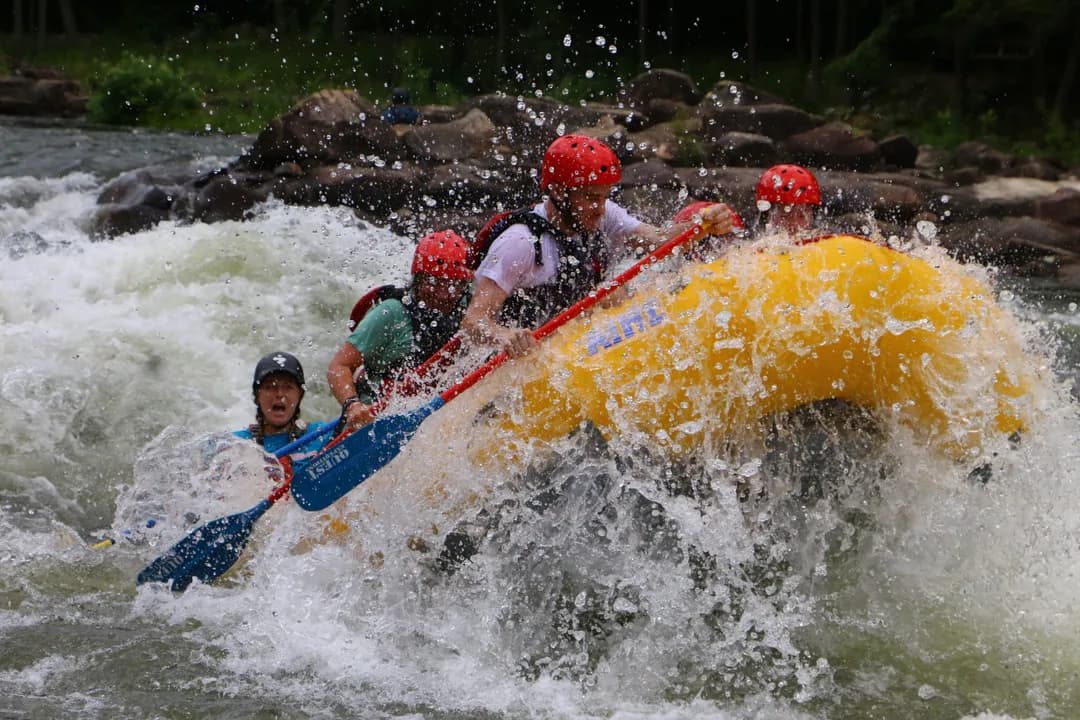
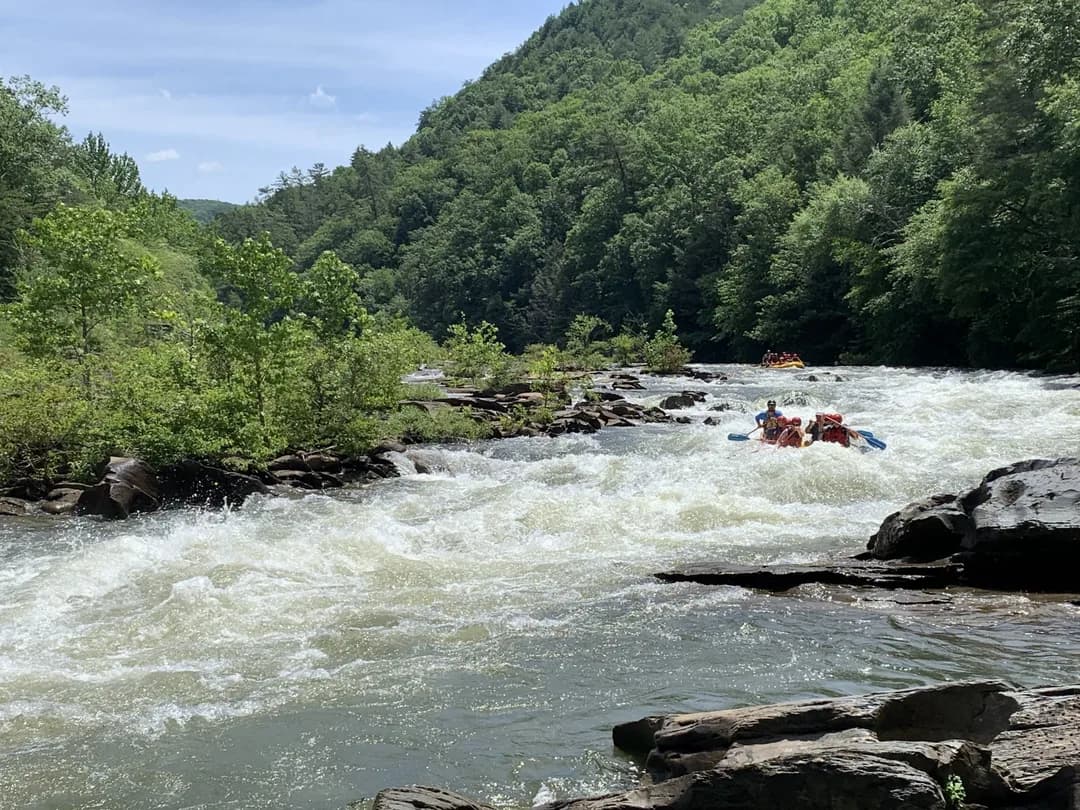
Quest Expeditions puts boats on those days from an outpost at the Highway 64 and Highway 411 junction, about an hour from downtown Chattanooga. The run is five miles through a gorge inside the Cherokee National Forest. By the operator's own count there are more than 17 major rapids in it, carrying names like Grumpy, Broken Nose, Second Helping, Double Trouble, Tablesaw and Diamond Splitter.
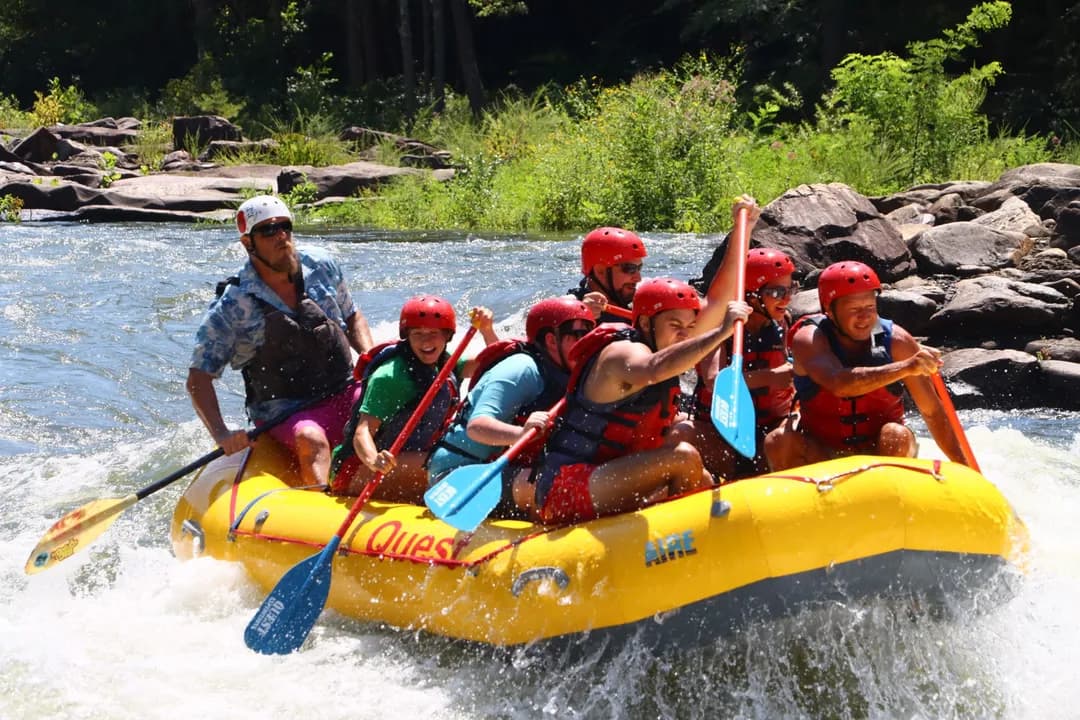
No experience is required. Every raft goes out with a trained guide, and the safety briefing happens before anyone touches the water.
 Middle Ocoee River Rafting Adventure TourQuest Expeditions. Five miles of Class III and IV water through a Cherokee National Forest gorge. Life jacket, helmet and paddle provided.www.viator.com
The River Is the Short Part of the Day
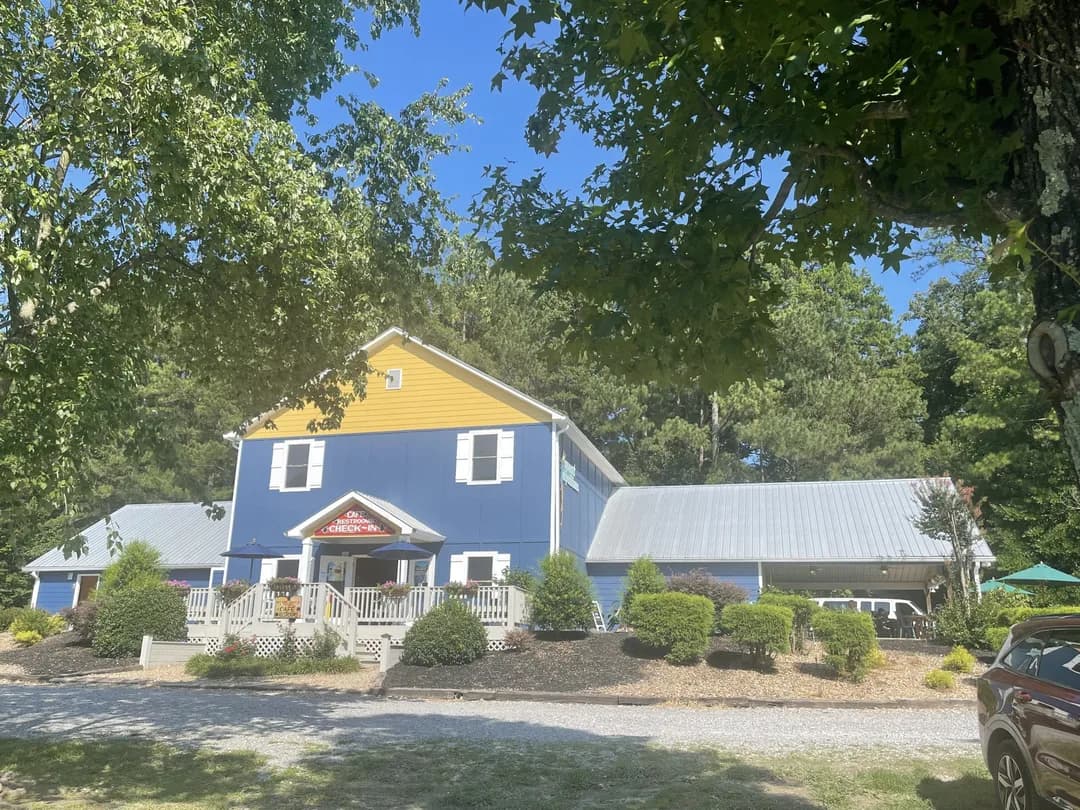
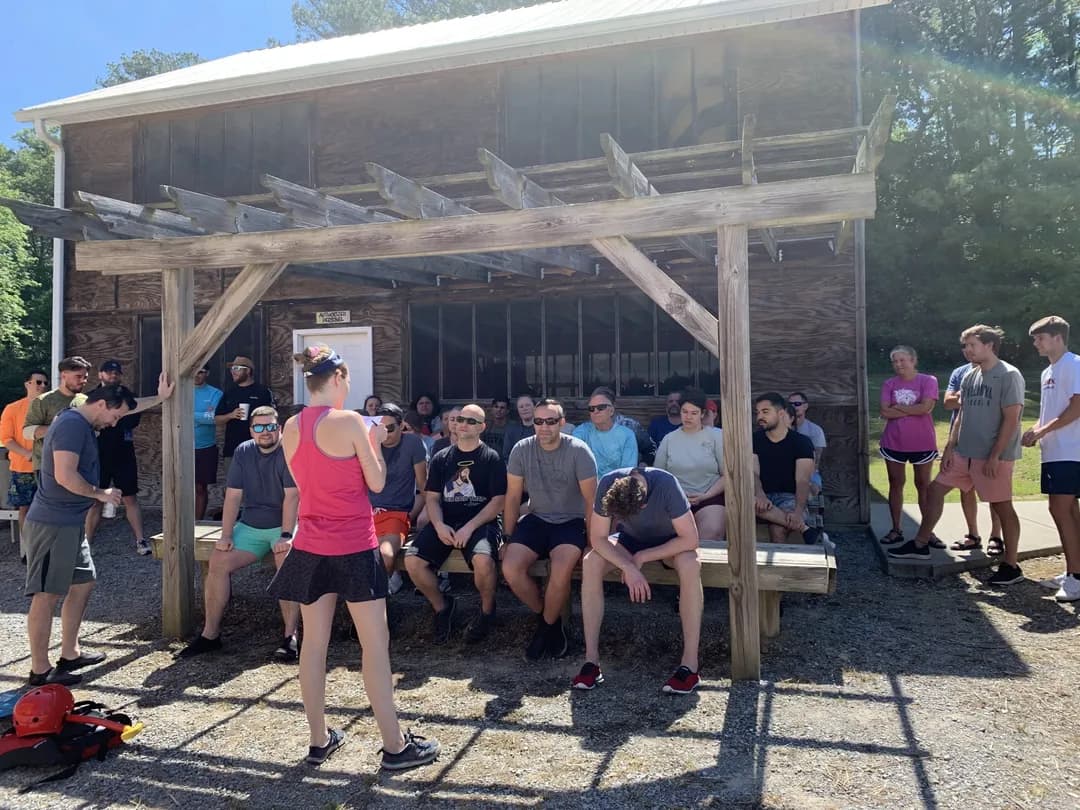
Check-in is 30 minutes before the trip time. That half hour covers paperwork, changing and locking your things away, and the operator treats a late arrival as a cancellation. Its reason is practical: trip times on the Ocoee are regulated by the state, and on most days a late boat cannot be fitted in anywhere.
Two things catch people on the drive. Every trip time is Eastern, which matters if you are coming from Nashville, Birmingham or Huntsville. And the operator's directions page warns that satellite navigation does not always bring you to the door, so it publishes turn-by-turn directions from each city and asks you to compare them with your phone before you set off.
The listing puts the outpost 45 minutes from downtown Chattanooga. The operator's own directions page says an hour. Budget from the longer figure, because the deadline that matters is check-in, not the trip time.
Plan about four hours end to end. The river itself takes an hour and a half to two hours; the rest is the briefing, the shuttle out to the put-in and the ride back. The listing shows this trip as three hours. The operator's own FAQ asks you to set aside four.
There are changing rooms and hot showers at the outpost, so bring a towel, toiletries and a bag for wet clothes. Car keys can be left at the office while you are on the water and everything else stays locked in your vehicle. Coolers and dry bags do not go in the raft, so plan meals around the trip.
Who the Boat Will Take
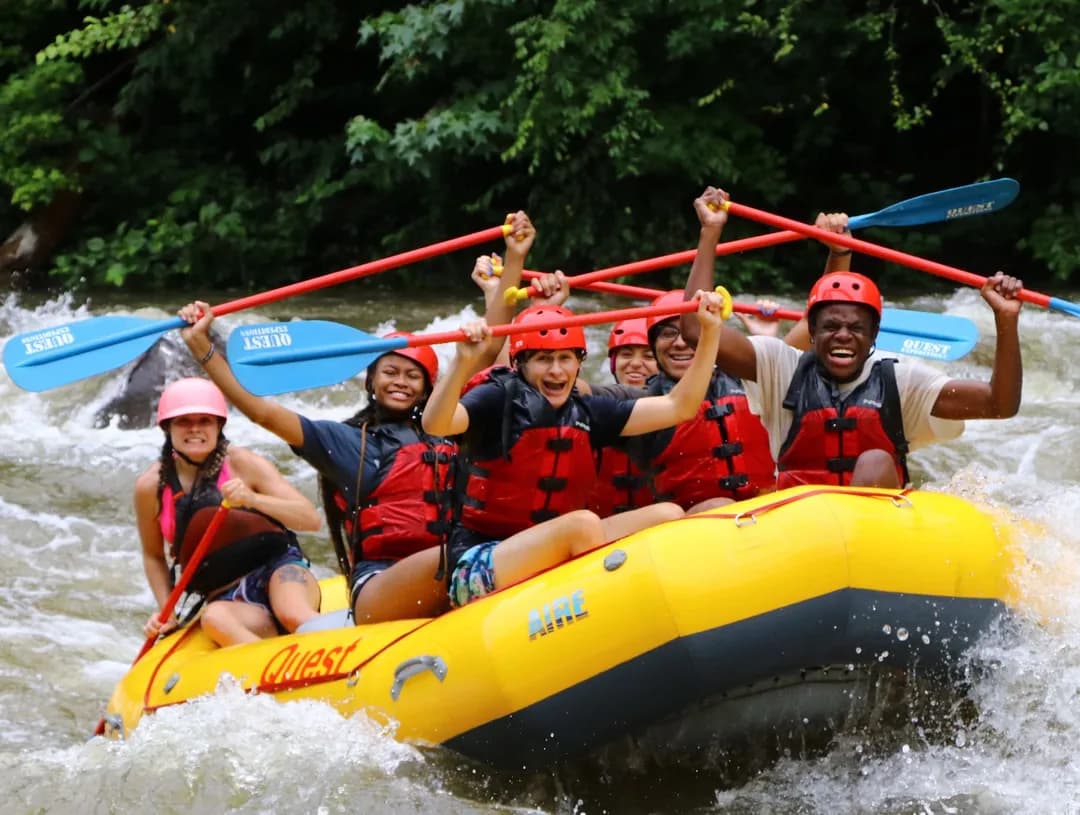
Twelve is the floor. The operator attributes it to Tennessee law, and says a child booked under age simply will not be allowed to raft, with no refund. Anyone under 18 needs a parent or guardian signature on the waiver.
There is a second gate that catches people by surprise, and it is about equipment. The life jacket fits a chest up to 56 inches. If you do not fit the jacket, you do not go.
The listing marks pregnancy as not recommended. The operator is firmer: its reservation policy and its FAQ both say pregnant travelers are not permitted on the river. The operator's rule is the one that gets enforced at the outpost, so treat it as the binding one.
The listing also marks the trip as suitable for all fitness levels. The operator sets a floor of its own. You should be in good health, comfortable in moving water and on uneven ground, and able to paddle a few minutes at a time across a two-hour stretch. Anyone with a medical condition or a disability is asked to call first, and every trip carries a first aid raft with a dry box for insulin, inhalers and similar.
Rafts take up to six guests plus a guide. A group larger than six gets split across boats, and the operator only guarantees you sit together when the reservation is made under one name.
The Dam Decides Which Days Exist
The operator lists the 2026 Ocoee season as 21 March to 1 November, and inside that window the Middle section only runs when water is released. Its published calendar is weekend-heavy through spring and autumn and opens out across most of the summer. The explanation for the gaps is short: no release from the dam upstream, no trip.
That release is also why the run exists. The operator traces the Middle Ocoee back to the late 1970s, when the TVA flume line could no longer carry water to the turbines and the flow went back into the riverbed.
Two things follow for anyone booking now. The booking page for this trip is currently selling Saturdays and Sundays only, so a midweek date in October will not find a slot here. And the season has an end: the operator's own calendar stops at 1 November.
Booking closes an hour before the trip time and confirmation is immediate. Cancel 24 hours or more ahead and the booking refunds in full. Inside 24 hours it does not refund at all.
What the Water Does
The Ocoee is rated Class III and IV. The operator's safety page calls it a class III+ adventure, middle to upper on the scale. That scale measures difficulty and danger; it says nothing about how good the run is.
The gorge sits inside the Cherokee National Forest and the operator puts the drop at 56 feet per mile, which is what keeps the water coming at you without the long flat pools most rivers put between drops. Rafts are self-bailing, 13 to 14 feet, built for whitewater.
Trips go rain or shine, on the reasoning that you are going to be wet anyway. Splash jackets and pants come out on cool days at no extra cost. In severe lightning a trip can be held or pulled in against the bank, and the operator notes that the gorge is deep and wooded, which keeps exposure on the water low.
People do come out of rafts. The operator says so plainly and asks that you be able to help with your own rescue if it happens. Guides are trained in first aid, CPR and swiftwater rescue, trip leaders carry further certification, and everyone signs a liability release before launching.
Dress for water. Shorts and a t-shirt when it is warm, wool or fleece or polyester when it is cool, and no cotton. Shoes have to have backs, so leave the flip-flops in the car. Old sneakers work, and so do sandals if the heel strap holds; the operator sells water shoes in its office if you arrive without any. You walk a short rocky stretch at the put-in and the take-out, which is what the rule is there for.
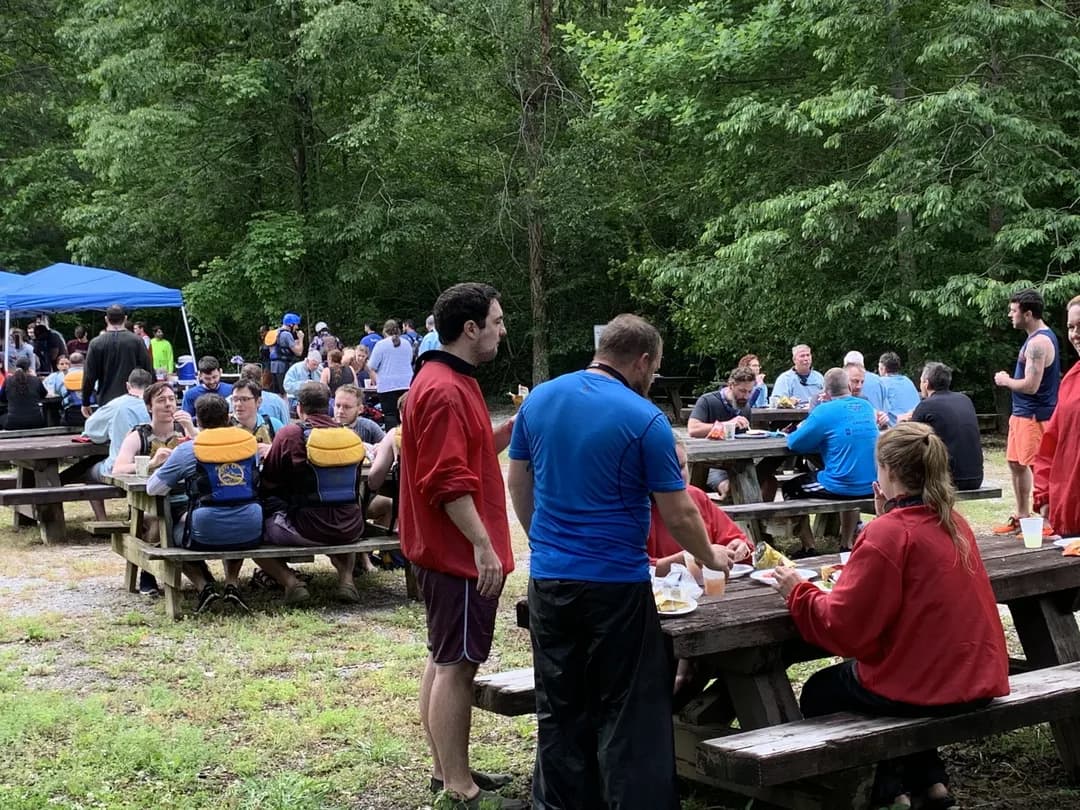
Photographs are taken on every trip and are waiting at the outpost when you get back, with an online gallery that stays up for two weeks. There is a covered picnic area with charcoal grills, a sand volleyball court and a horseshoe pit, and a cafe running from breakfast through early dinner. The operator also keeps a group bunkhouse at the outpost and cabin rentals nearby, if you would rather not drive back the same evening. Alcohol is not permitted before the trip or on the river, and is fine once you are back at the outpost.
Tipping is not built into the price. The operator says guides on this trip typically see around five dollars a person, or thirty a boat.
So pick a release date, put 30 minutes in front of it, and give the afternoon over to it. The showers are hot and the picnic tables are a short walk from where the shuttle drops you.