

The Suburb Wealthy Americans Built to Avoid the French Quarter
Lafayette Cemetery No. 1 reopens on October 1 after seven years shut, and this walk still reads it through the gates. What it gives you instead is the neighborhood around it: two houses to a block, a guide who knows whose money paid for which portico, and a group the company holds to twelve.
New Orleans grew downriver first. When Americans arrived with money after the Louisiana Purchase, the Creole families of the French Quarter were not interested in sharing a block with them, so the newcomers went upriver and laid out a suburb of their own. Two houses to a block, each one wrapped in its own garden.
That is the neighborhood this walk crosses. The houses look like they are competing with each other because they were. Two hours, one guide, and a group the company keeps to twelve or fewer.
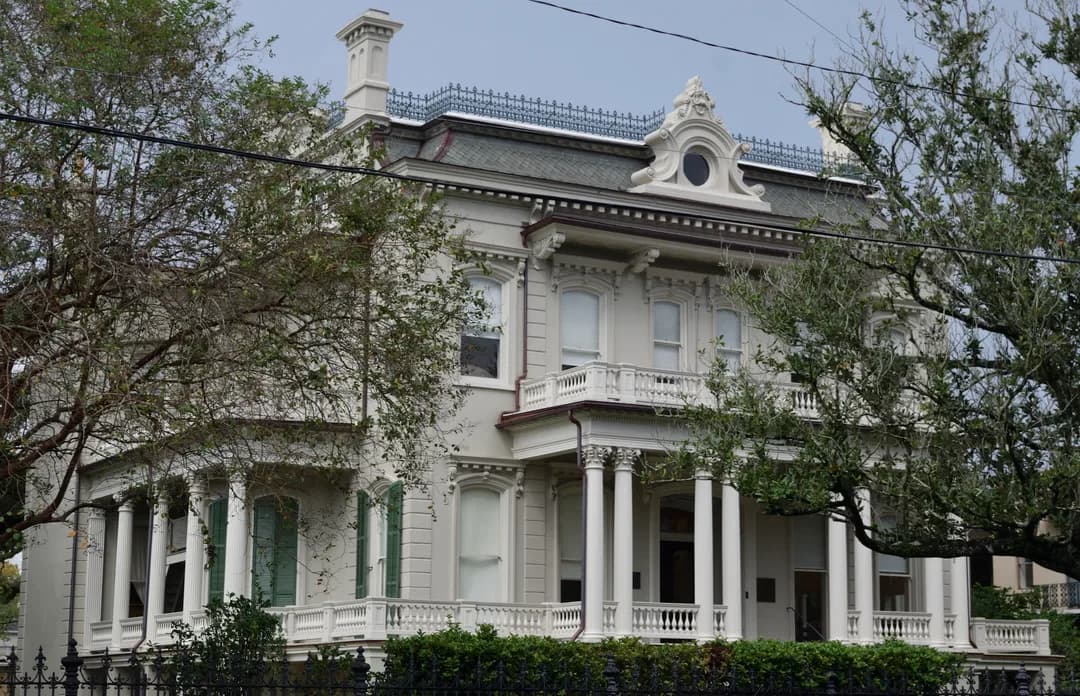
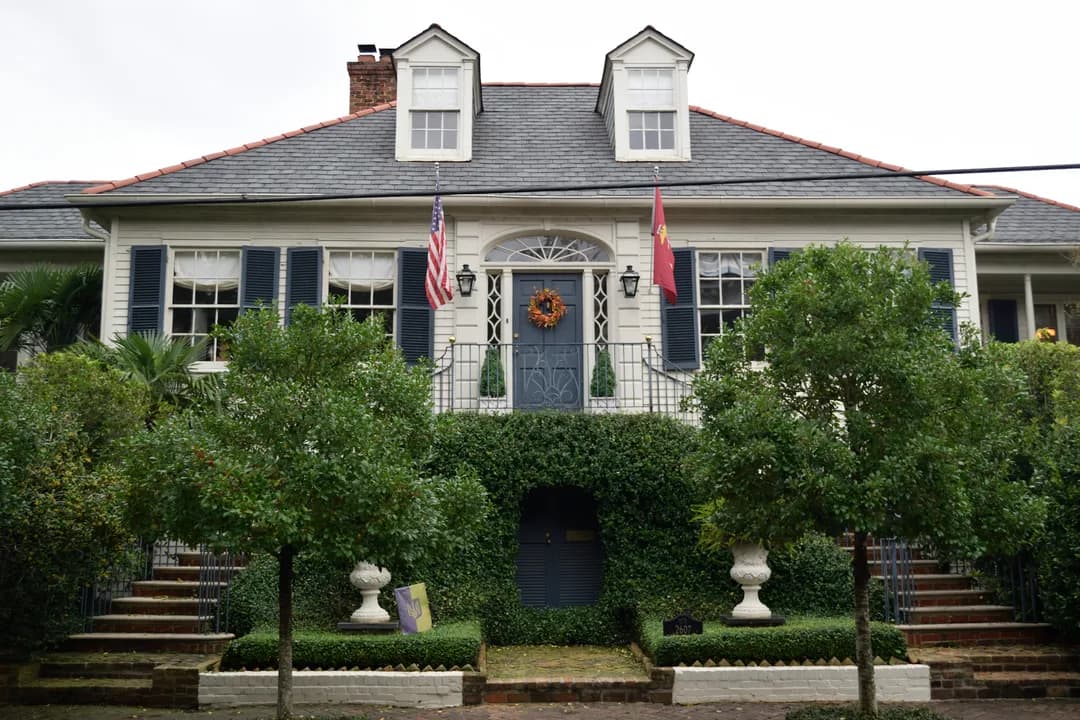
Nothing on this route is a museum. The mansions are private homes with people living inside them, so the walk stays on the public sidewalk and the guide's job is to make a closed front door interesting. The company caps public groups at twelve guests, and says the City of New Orleans would allow twenty-eight. That gap is most of what you are paying for.
You will not know which guide you have until the night before or the morning of, when a text arrives with a name and a phone number. The company's own roster runs to Cajun and Chippewa roots, an anthropology degree from UNO, a university history teacher, and one guide it describes as sitting on the board of Save Our Cemeteries.
 New Orleans Small-Group Garden District Walking TourTwo hours on foot with a local guide, capped at twelve guests. The 10:00 and 1:00 departures meet at Gracious Bakery on St Charles Avenue.www.viator.com
The Cemetery Reopens This Month, and This Walk Still Stops at the Fence

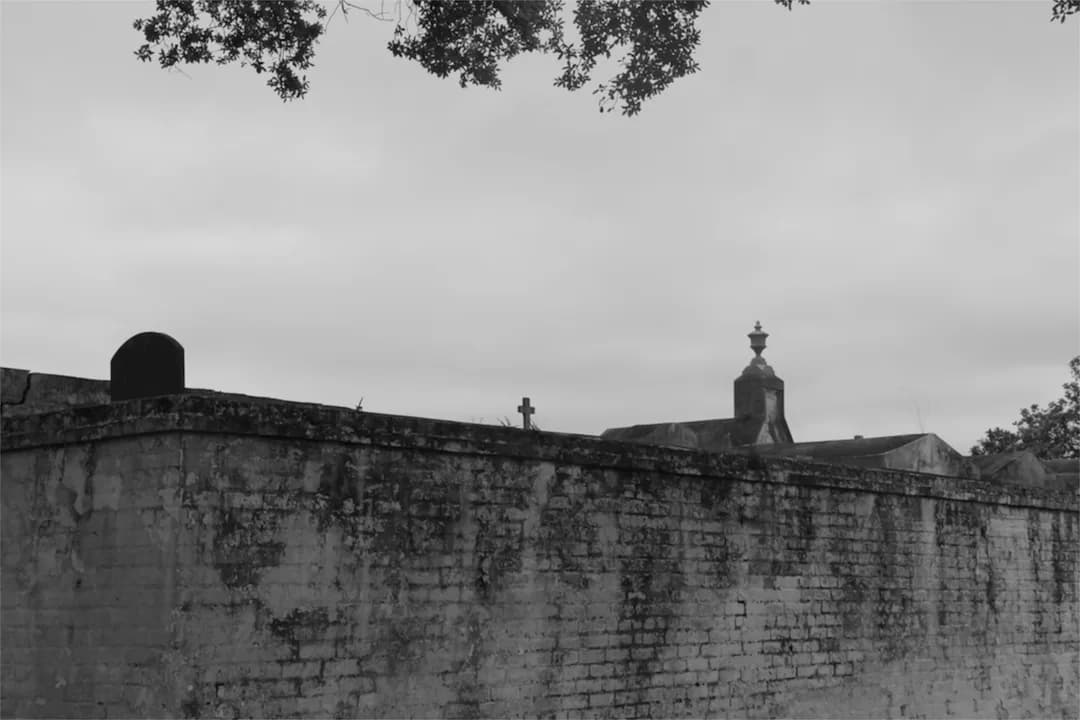
Lafayette Cemetery No. 1 sits in the middle of the neighborhood behind a whitewashed wall, and it has been closed to general visitors since 2019. From October 1 it reopens, but the city has made a single preservation nonprofit the only organization allowed to bring groups inside, and everyone else stays out unless they are family vetted by the cemetery division. This walk is everyone else.
So the cemetery here is a twenty-minute stop at the gates. Your guide explains why the city buries above ground and how one tomb holds a family for generations, and the aisles stay on the other side of the ironwork. If walking among the tombs is the specific thing you came to New Orleans for, this is not the tour that does it.
Two Houses to a Block, Then a Century of Trying to Outdo the Neighbors


The original blocks held only a couple of houses each, every one surrounded by its own garden, which is where the district got its name. Later owners subdivided. A Greek Revival mansion can now stand beside a Victorian wrapped in millwork, and the guide's commentary is largely about who built what, and who was trying to outdo whom.
Nearly all of it is still residential. Iron fences, live oaks whose roots have lifted the pavement, shutters closed against the afternoon. You look at facades from the public sidewalk for two hours, and that is the entire format.
The Four O'Clock Walk Leaves From a Different Corner, Half the Year
Two departures run daily at 10:00 and 1:00, and both meet at Gracious Bakery, 2854 St Charles Avenue. Arriving by streetcar, the operator tells you to get off at Sixth Street, the first stop after Washington.
A third departure at 4:00 meets somewhere else entirely, at 2801 Magazine Street, and the company's own site runs it March through October only. The booking calendar offers that slot all year. Take the operator's season as the real one and pick a morning or afternoon walk if you are here in winter.
Children under six go free. From six up everyone pays the same fare, and one booking takes up to twelve travelers. Reservations are required, and the company says that if you simply turn up when the walk is full it may not be able to take you.
What Two Hours on These Sidewalks Asks of You
The company is blunt about the pavement. Its listing ticks the wheelchair-accessible box and in the same breath calls the sidewalks extremely uneven and advises sturdy wheelchairs, so anyone rolling or unsteady should plan for oak roots under the pavement. Comfortable shoes, water in the warm months, and an umbrella that earns its keep in rain or sun.
Walks go ahead in the rain. Extreme weather can cancel or postpone one, and the company says you will be told if that happens. Cancel at least twenty-four hours out and the fare comes back. Service animals are welcome on the public walks; other pets are not. Food, drinks and tips sit outside the fare, and there is a bakery at the 10:00 and 1:00 meeting point if you want coffee first.
You finish in the middle of a residential neighborhood in the early afternoon, with Magazine Street's shops and kitchens a couple of blocks toward the river and the St Charles streetcar rattling past on the other side. The 1:00 walk puts you back on the pavement around three. That is late enough for the light to have dropped behind the galleries, and early enough to do something else with the day.