
The Garden District: Where a Guide Reads Houses Like Paragraphs
New Orleans hands most visitors the French Quarter. The Garden District asks for something slower: a few blocks of 1850s and 1860s houses where the cast iron, the column capitals and the window heads are the text. This two-hour walk puts a licensed local guide beside you while you read it.
The Garden District was laid out for people who had money and wanted the neighbours to know it. What they built through the middle of the nineteenth century still stands in rows, and in 1974 the whole of it was made a National Historic Landmark district.
Walk it alone and you get a pleasant street of big white houses. What a guide adds is the ability to say which details are structural and which are pure display. A bracket under a cornice, a cast-iron gallery, the shape of a window head: each one dates a house and names the fashion it was chasing.
Two hours, on foot, at the pace of a group that stops often.
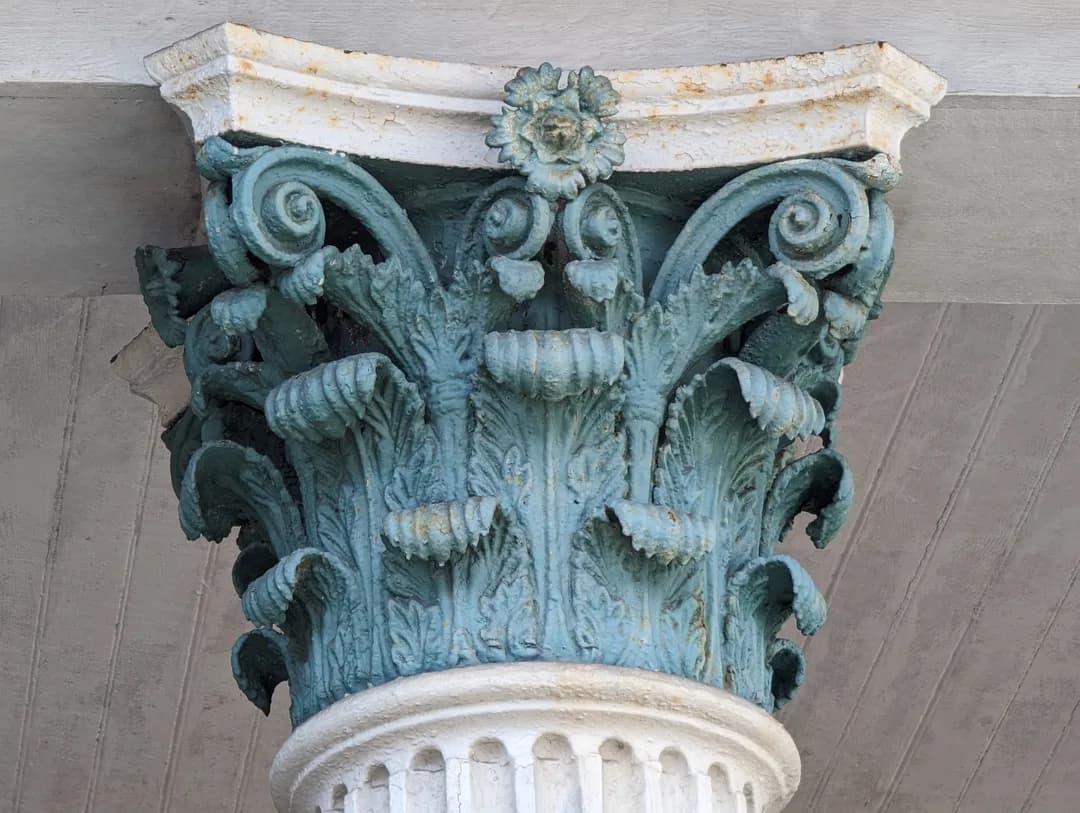
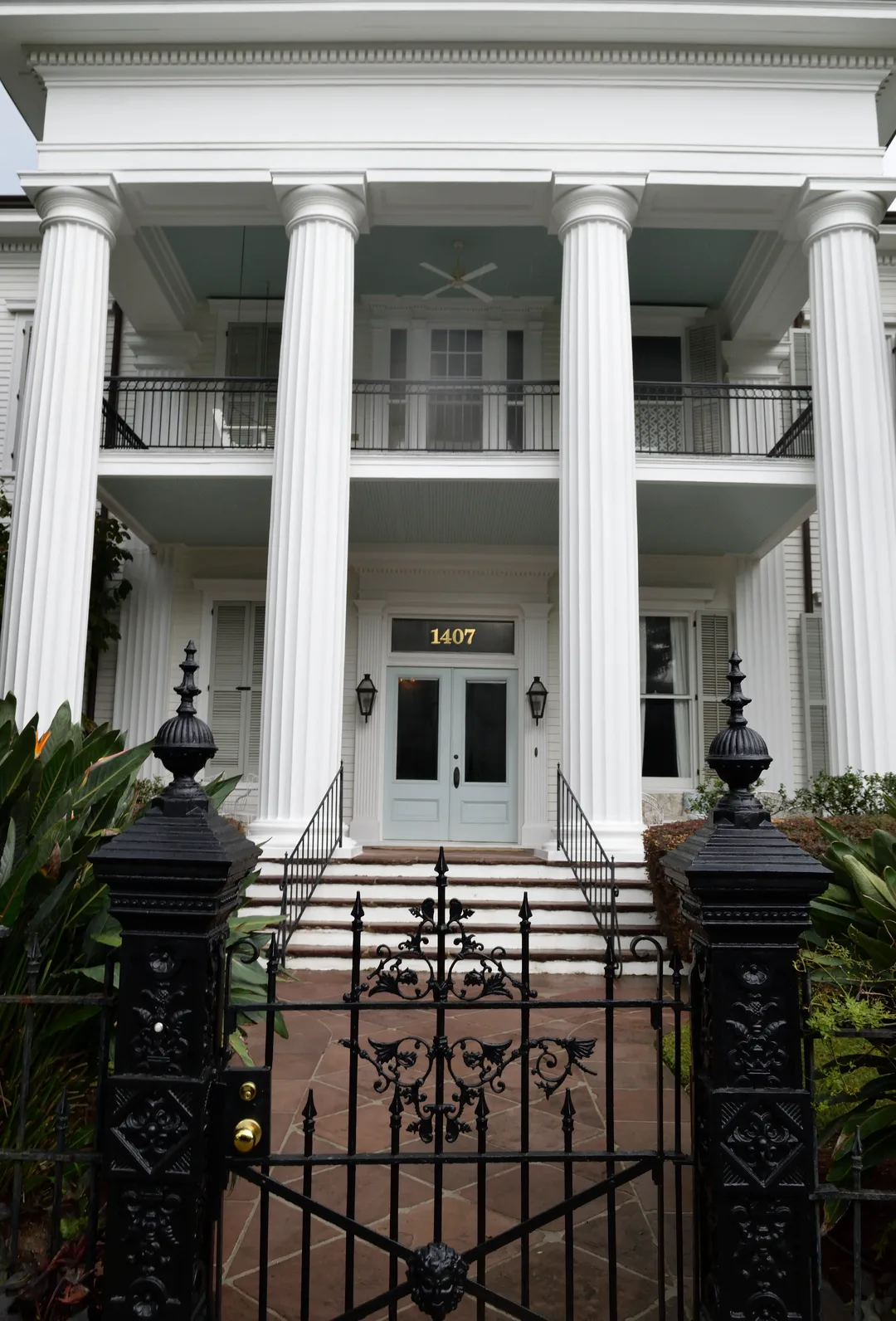
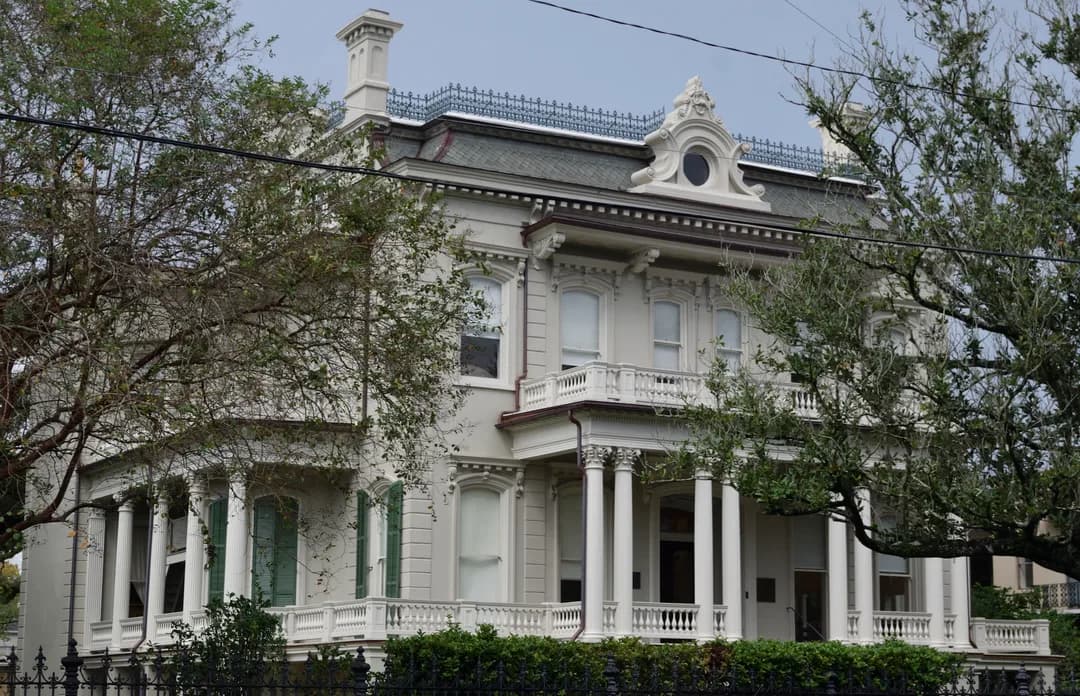
Three names do most of the work here. Greek Revival is the oldest and the easiest to spot: columns, a flat entablature across the top, symmetry, white paint. Italianate arrived with money and loosened everything, bringing taller windows with rounded heads, deep brackets under the eaves, and the cast-iron galleries that New Orleans foundries made a local specialty. The Victorian styles came after and borrowed from both.
Two of the stops are Italianate houses that the listing credits to the same Irish-born architect, one of them dated 1869. Put either beside a Greek Revival portico from a decade or two earlier and the shift stops being a vocabulary lesson. You are watching the city get richer.
 New Orleans Garden District Architecture TourTwo hours on foot through the Garden District with a licensed, insured local guide. Departures are shared and meet outside The Rink at Prytania and Washington.www.viator.com
What the Route Actually Passes
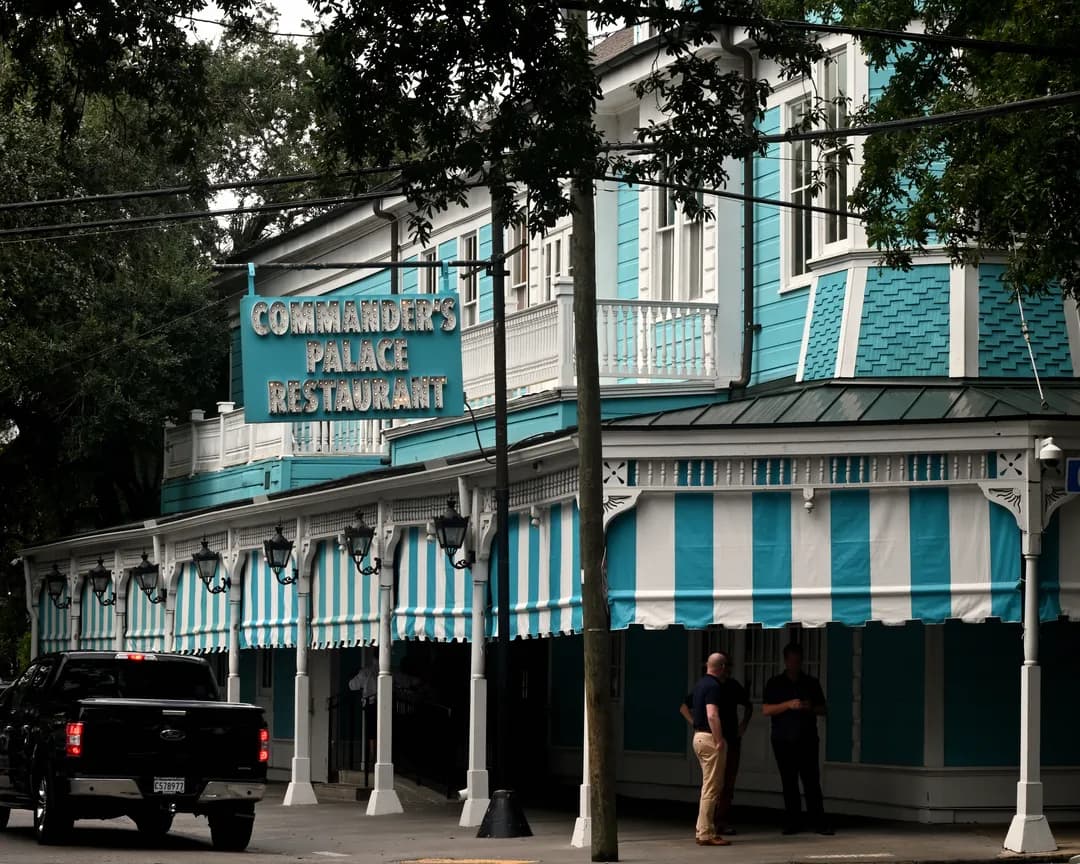
The itinerary names seven stops and gives most of them three to ten minutes, which is the rhythm of a walk that keeps moving.
Commander's Palace is one of them, and you look at it from the pavement. The restaurant has been there since 1880 and the building earns its place here as architecture rather than lunch: turquoise and white, striped awnings, a Victorian roofline. The itinerary marks admission as not included, so treat it as a facade to read rather than a table to sit at.
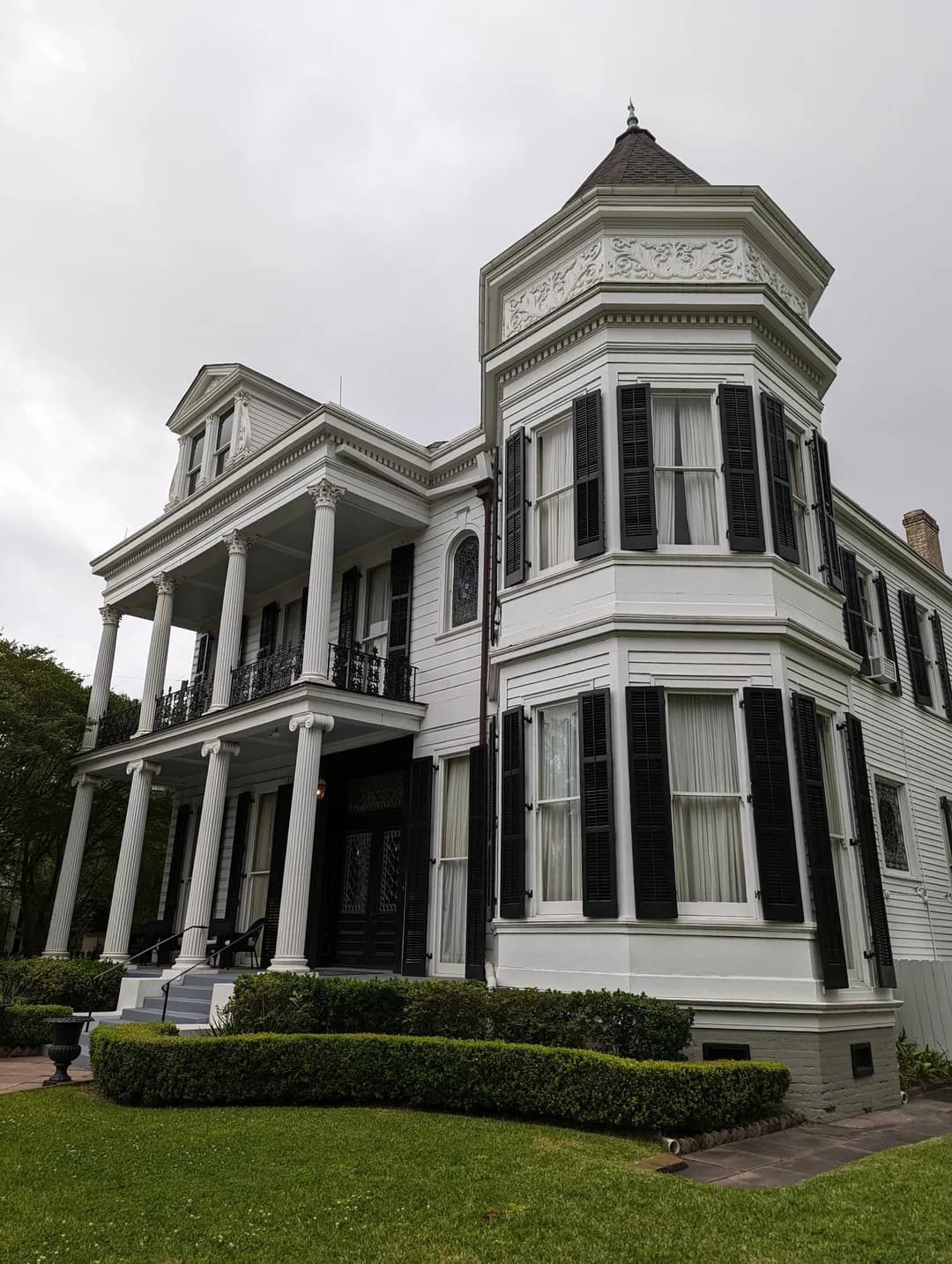
The Women's Opera Guild House is the stop that makes the district's argument for it. The Greek Revival front was designed by William Alfred Freret and built for Edward A. Davis in 1859, and an octagonal turret sits alongside it in a later taste altogether. The listing describes the house as built in two eras and two styles.
One more stop is a late-nineteenth-century house now attached to the Louise S. McGehee School. It draws the longest single block on the itinerary, ten minutes.
The Cemetery Stop Has Changed
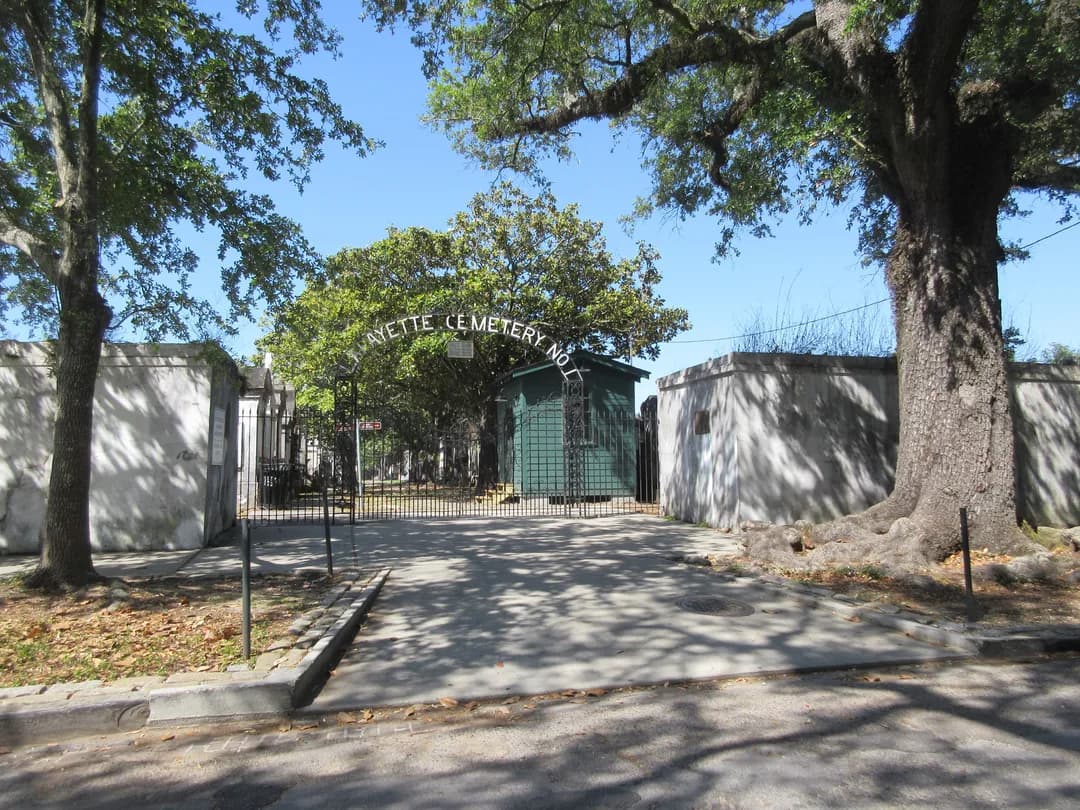
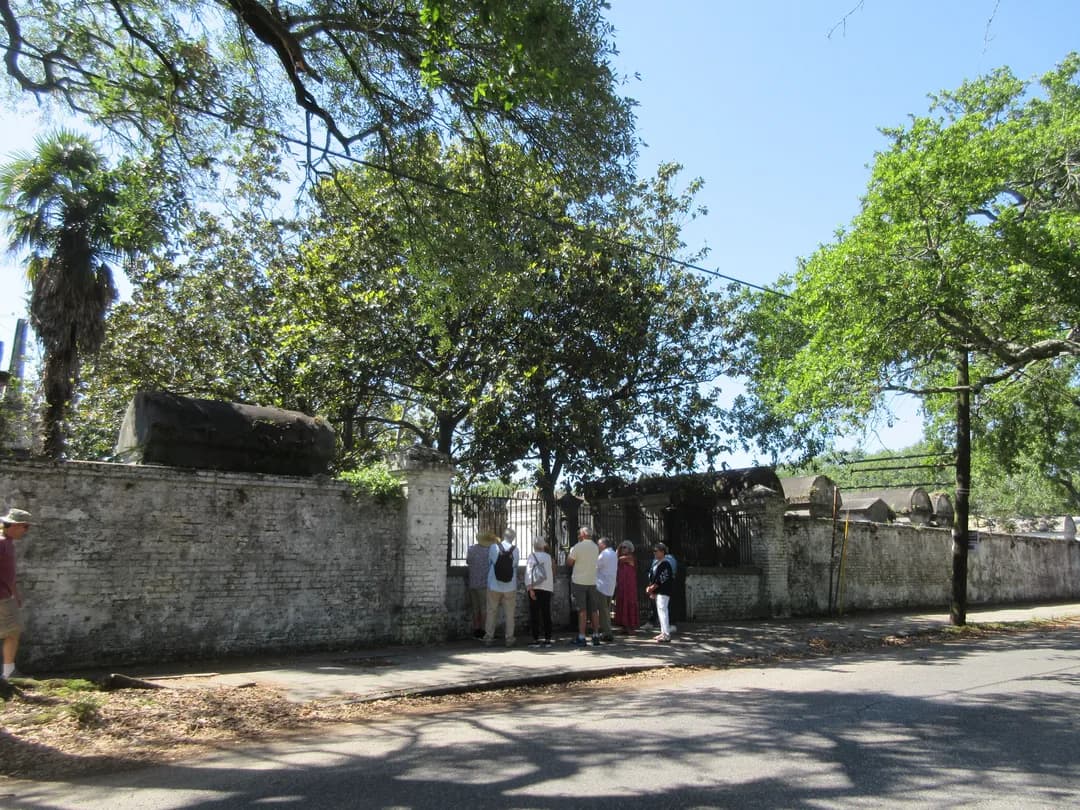
The product description includes a short stop inside Lafayette Cemetery No. 1, and the itinerary gives it five minutes on the city's above-ground burial customs. The operator's own page for this walk does not promise that stop at all.
The cemetery was founded in 1833 and joined the National Register in 1972. The City of New Orleans closed it to the public in September 2019, and it stayed shut for seven years. It reopens on 1 October 2026.
What reopens is not what closed. The city ran a request for proposals and named a single operator, the Preservation Resource Center of New Orleans. The cemetery's own tomb and coping owners association puts it plainly: the PRC was awarded the contract "as the sole operator to conduct historical tours in Lafayette No. 1," and "only guests signed up on one of PRC's tours will be allowed in the cemetery," alongside vetted families. Reported limits are groups of sixteen, daily, through the late morning.
NOLA Tours says much the same in its own words. Its page for this walk calls the cemetery portion "a discussion," and carries a note: "Lafayette #1 Cemetery is closed to the public however, it is visible to view." Do not assume this stop includes going in: the cemetery's owners association and the operator's own page both describe it as closed to the public and visible from outside. The listing is the one place that still reads like a stop inside. The two photographs above are what the view from the pavement looks like.
Booking It
Departures are shared rather than private. The listing caps a shared departure at fourteen travellers and the description repeats that a group will be no more than fourteen. Both numbers come from the sales page. The operator's own site puts its policy without a figure, saying it caps groups at half the regular size, and its booking system sets no maximum party size at all, so fourteen stays the listing's number rather than a count anyone has taken on the pavement.
The listing looks like it contradicts itself about booking alone. Its age-band rule sets a two-traveller minimum per booking while its booking requirements accept a single traveller. The operator's booking system reconciles them: a departure has to be opened by a party of two, and once it is running a single traveller can join it. So booking for one works on a departure somebody else has already started, and not on an empty one.
Cancellation is the standard shape. Cancel at least twenty-four hours ahead for a full refund; inside twenty-four hours there is none. Weather is handled separately, and if the operator stands the walk down for weather the listing promises either another date or a full refund.
One price band covers ages one to ninety-nine, so nobody is charged a child rate. Prams are fine, service animals are allowed, and the listing rates the walk as suitable for all fitness levels. Wear shoes you can stand up in for two hours.
Getting to the Start
The walk begins outside the main entrance of The Rink, the old skating-rink building at Prytania and Washington that now holds a handful of shops. The listing dates it to 1884. Your guide carries a sign reading New Orleans Architecture Tours. That is the company's original name, from before it began selling as NOLA Tours, so the sign will not match the name on your booking.
Transit is easy. The listing puts the start one block from the St. Charles streetcar and four blocks from the Magazine bus. Getting yourself to and from the meeting point sits outside the ticket.
A coffee shop stands beside the meeting spot, and the operator asks you to be there ten minutes before your start time.
Two hours is enough to stop seeing a white house and start seeing a bracket, a cornice line, a window head that gives away a decade. After that the neighbourhood is readable without a guide, which is the part you take home.
📍 Prytania Street at Washington Avenue, outside The Rink. The streetcar is a block away when you finish, and Magazine Street's shops and kitchens are four blocks in the other direction.