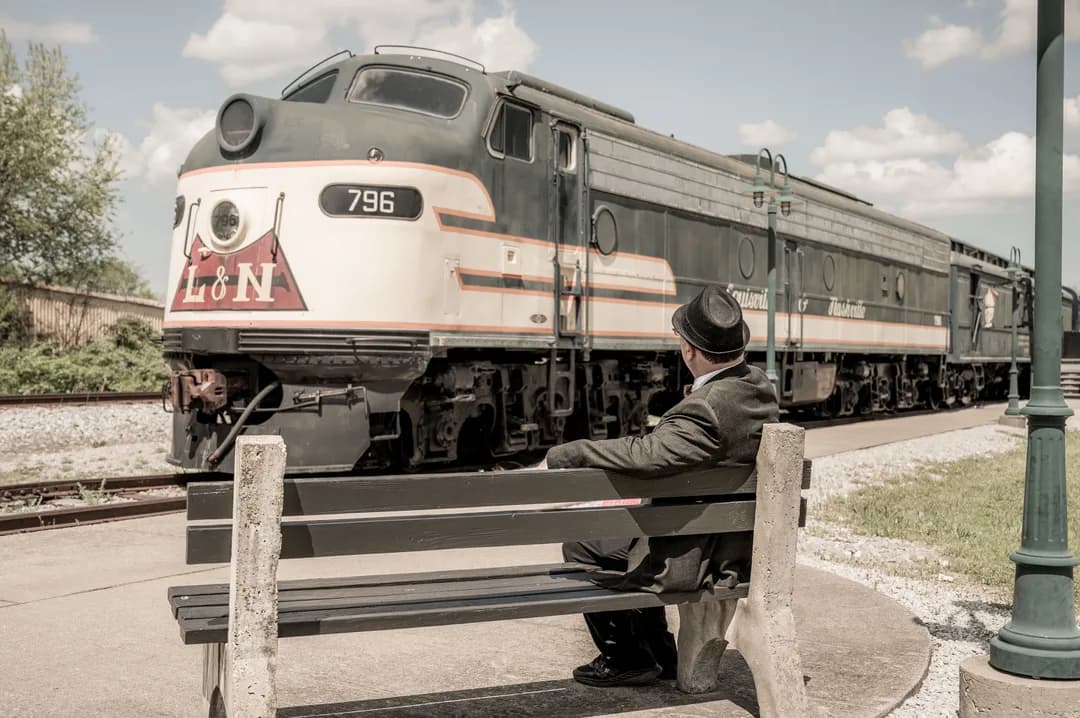

Step Inside the L&N Railcars Parked Behind Bowling Green's 1925 Depot
Tour the depot's two-floor museum on your own, then follow a guide through restored mail, dining and office cars out back.
The Louisville & Nashville depot on Kentucky Street was built in 1925 to replace an older station. At one time more than 20 trains a day departed from this site. Today the building is the Historic RailPark & Train Museum, and right behind it, 450 feet of track hold a row of restored railcars.
One ticket covers both parts of the visit. The museum inside the depot is self-guided and runs over two levels, with stairs or an elevator up to the second. Its displays let you hear from a real L&N cook, Pullman porter and conductor, and listen to five different train sounds, each matched to a model. A guide then takes you through five restored railcars in about 45 minutes. Nothing here leaves the station: the museum states plainly that it does not offer train rides.
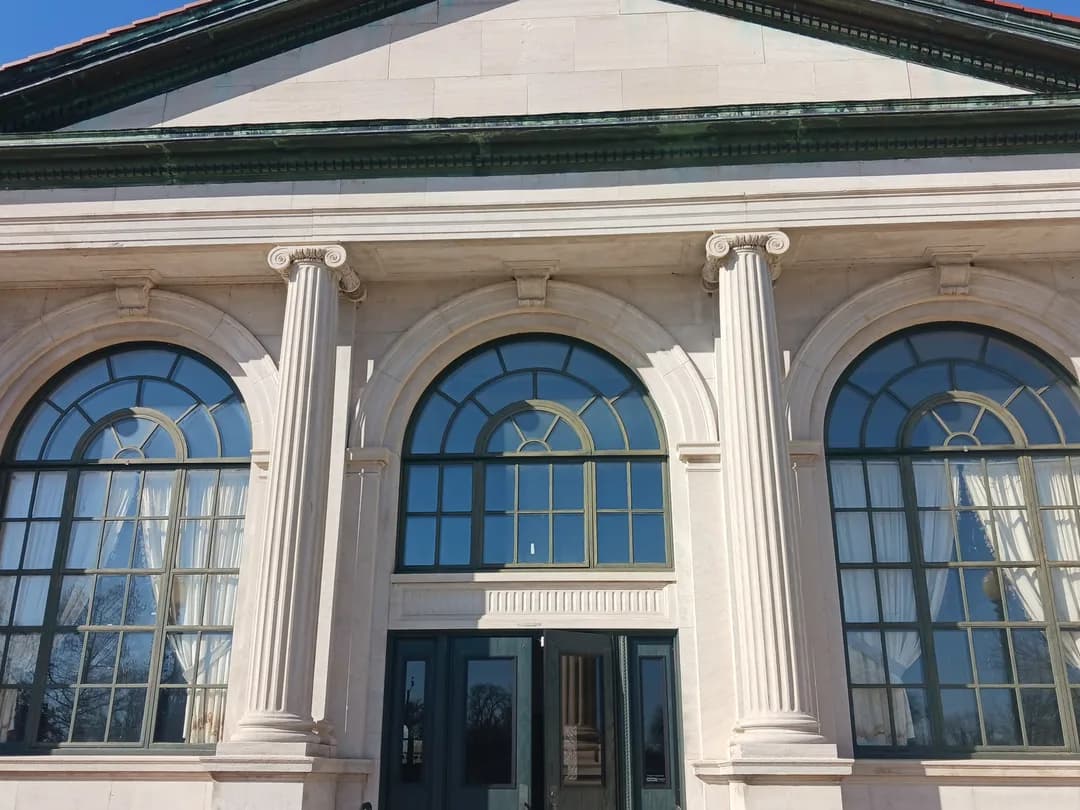

Adult tickets are USD 22 and children 5 to 12 are USD 14. Children 4 and under go free. The ticket below sells five railcar tour start times a day: 10:15 AM, 11:15 AM, 1:15 PM, 2:15 PM and 3:15 PM.
 Skip the Line: Historic RailPark and Train Museum Ticket with Guided TourSelf-guided entry to the depot museum plus a 45-minute guided tour of five restored railcars on the track behind it.www.viator.com
Where the Mail Was Sorted on the Move
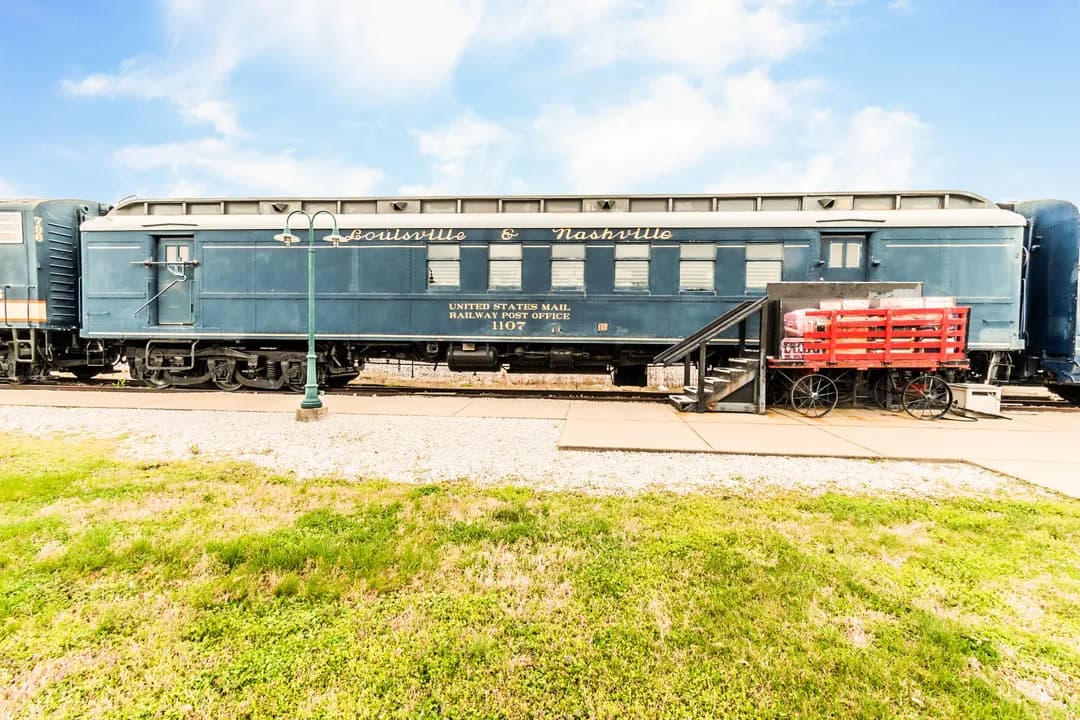

Railway Post Office car 1107 dates from 1921. On cars like it, mail was sorted en route as the train moved between two points, a practice the museum dates to 1862. By 1948, 794 RPO lines ran over more than 161,000 miles of track. The service declined after that, and the last RPO made its delivery in 1977.
The museum adds the business side: many railroads earned substantial revenue from these mail cars, and it offset losses from the high cost of running passenger service on the same trains.
A Diner From the L&N's Postwar Streamliners
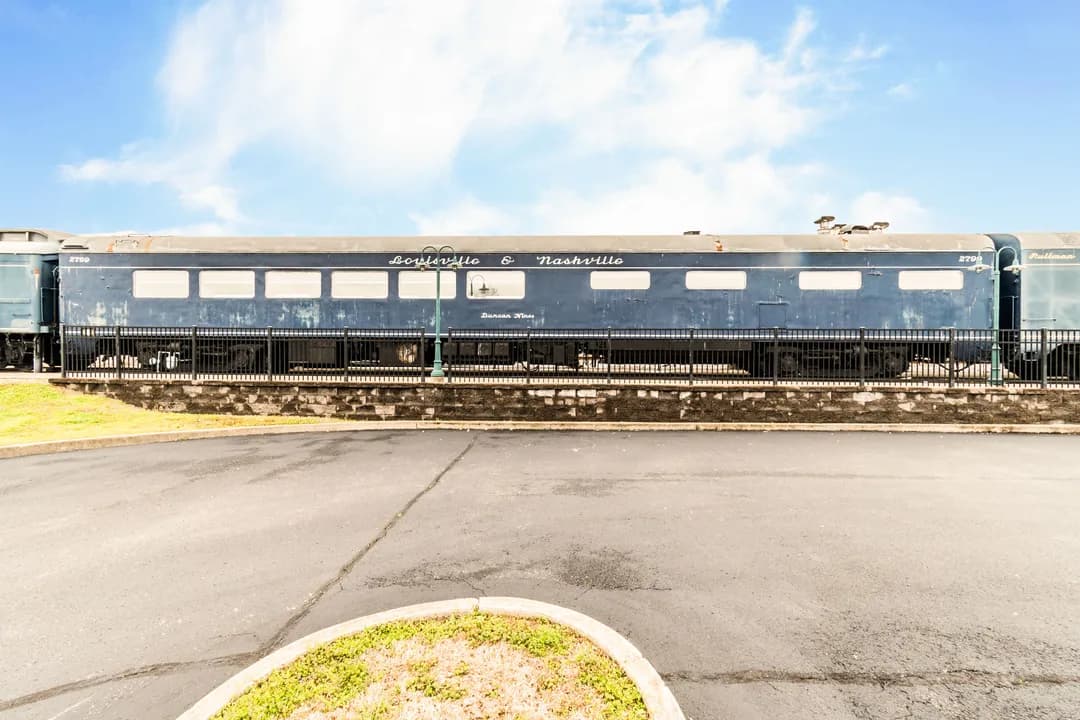

According to the museum, the Duncan Hines dining car traces to a 1944 order the L&N placed with the American Car and Foundry Company for 28 lightweight, streamlined aluminum passenger cars. Metal shortages during World War II delayed the work, and the cars reached the railroad in October 1946. The museum says they made up America's first postwar streamlined trains, the Humming Bird and the Georgian.
The Towering Pine sleeper, number 3467, belongs to the same push to modernize. It was the 17th of 22 lightweight sleepers the L&N bought in 1953 to replace aging heavyweight cars.
A 1911 Car From the South Louisville Shops
The Presidential car was built at the South Louisville Shops in 1911, and the museum says railroad historians agree it is the oldest surviving passenger car the Louisville and Nashville manufactured. Its body is wood. In 1942 it was rebuilt with steel exterior sheeting and an ice-activated air conditioning system from American Car and Foundry.
Locomotive 796 is an E-8, from a long-running family of locomotives. The Electro-Motive Division of General Motors built the first E-unit in 1937 for the B&O, and 1,314 were produced across ten models over 25 years, from the EA through the E9.
Timing, Steps, and the Fine Print
The museum tells visitors to allow at least an hour and a half for the full visit, and to arrive 5 to 10 minutes before their tour time. For the last tour of the afternoon, arrive 45 minutes to an hour early to see the exhibits on both floors first. Tour times can change day to day, and the museum asks visitors to call ahead on the day of the visit.
The depot museum is fully wheelchair accessible, with an elevator to the second floor. However, the vintage railcars are not wheelchair accessible due to steep steps, narrow doorways, and tight hallways.
The museum is closed on New Year's Eve, New Year's Day, Easter Sunday, Thanksgiving Day, Christmas Eve and Christmas Day, and in January and February it is also closed on Mondays and Tuesdays. Cancel at least 24 hours before the start time for a full refund.
The guiding is in English, and the ticket is accepted on a phone or on paper for direct entry.
📍 The tour starts and ends at the Historic RailPark & Train Museum in the L&N Depot, 401 Kentucky Street, Bowling Green, Kentucky.