
Snorkel and Kayak a Key West Refuge Only Boats Reach
A shallow-draft schooner carries twenty guests into water too thin for most hulls, then hands out masks, fins and kayaks.
Key West runs out of road at the waterfront. Out beyond it the Backcountry begins, a maze of mangrove islands and seagrass flats inside the Key West National Wildlife Refuge. Danger Charters describes the place in four words on its own site: accessible only by boat.
The company sails four shallow-draft schooners, and the shallow draft is the point. Thin water is where the seagrass beds and the coral heads sit. The first hour is a sail out through Key West Harbor. After that the water opens up and the masks and kayaks come out, and four and a half hours later the same dock takes you back.
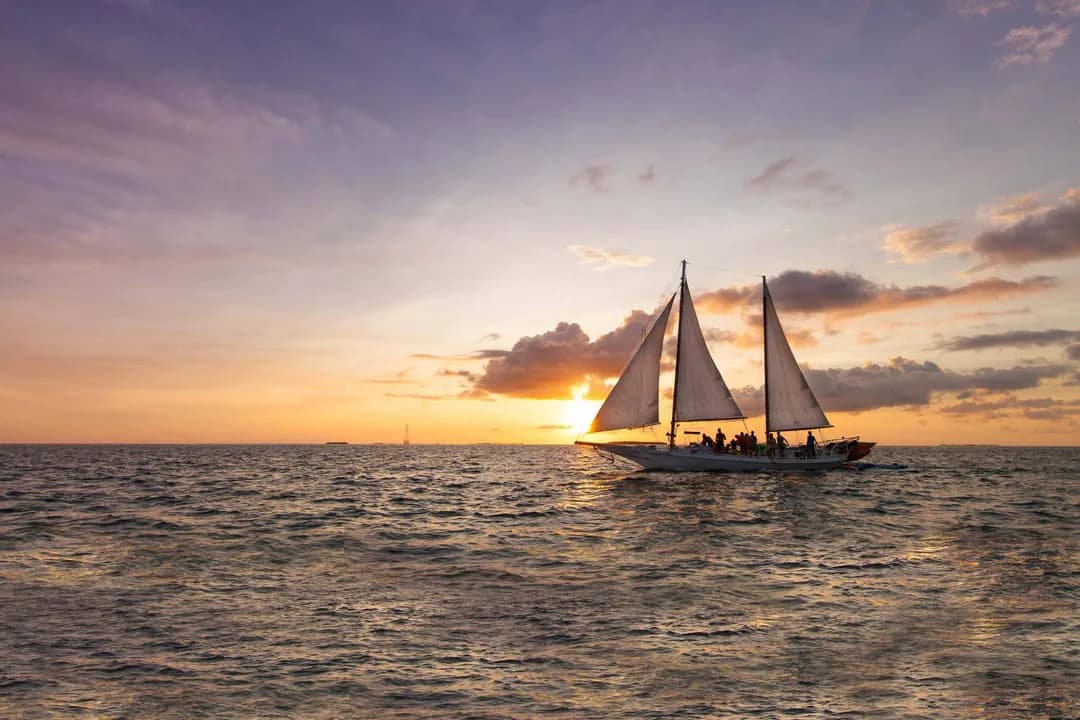
Two departures run the same route on the same four and a half hours. Morning boats leave at 9:00 AM and 9:30 AM, afternoon boats at 2:00 PM and 3:30 PM, and only the afternoon boats sail home through the sunset. The morning option says as much in its own name.
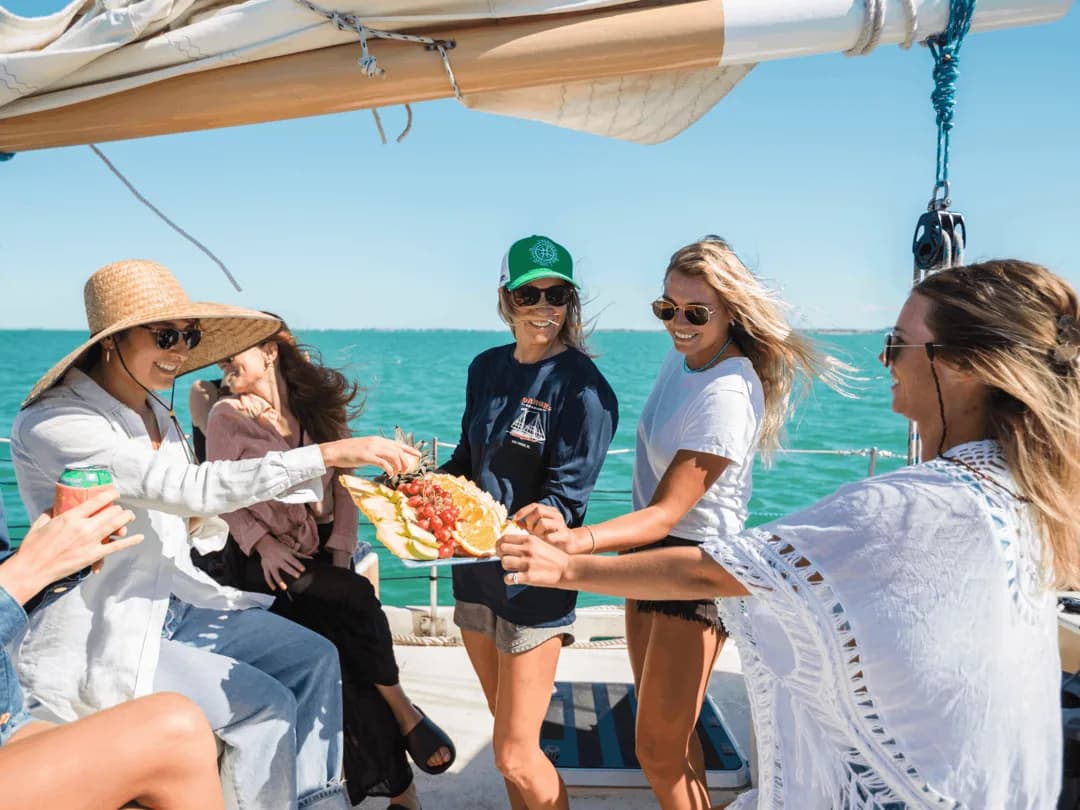
Check-in is 30 minutes before departure at the Danger Chandlery Store, on Front Street inside Opal Key Resort and Marina. Masks, fins, snorkels, kayaks, paddles and life jackets in every size come with the ticket. So do fresh fruit, chips and salsa, hummus, wine, beer, soft drinks and water. Wetsuits appear in the winter months.
 Half-Day Trip from Key West with Kayaking, Snorkeling & SunsetDanger Charters · 4.5 hours · departures every day from 255 Front Streetwww.viator.com
Locals Call the Refuge the Backcountry


The kayaks go through mangrove channels where the prop roots reach the waterline and the noise drops away. The operator's own list of what guests see there runs to hundreds of bird species, herons and egrets and ospreys and pelicans among them, several kinds of sea turtle, and the critically endangered Miami blue butterfly. Dolphins and manatee turn up sometimes. On dolphins the published answer is that they are seen frequently and not always.
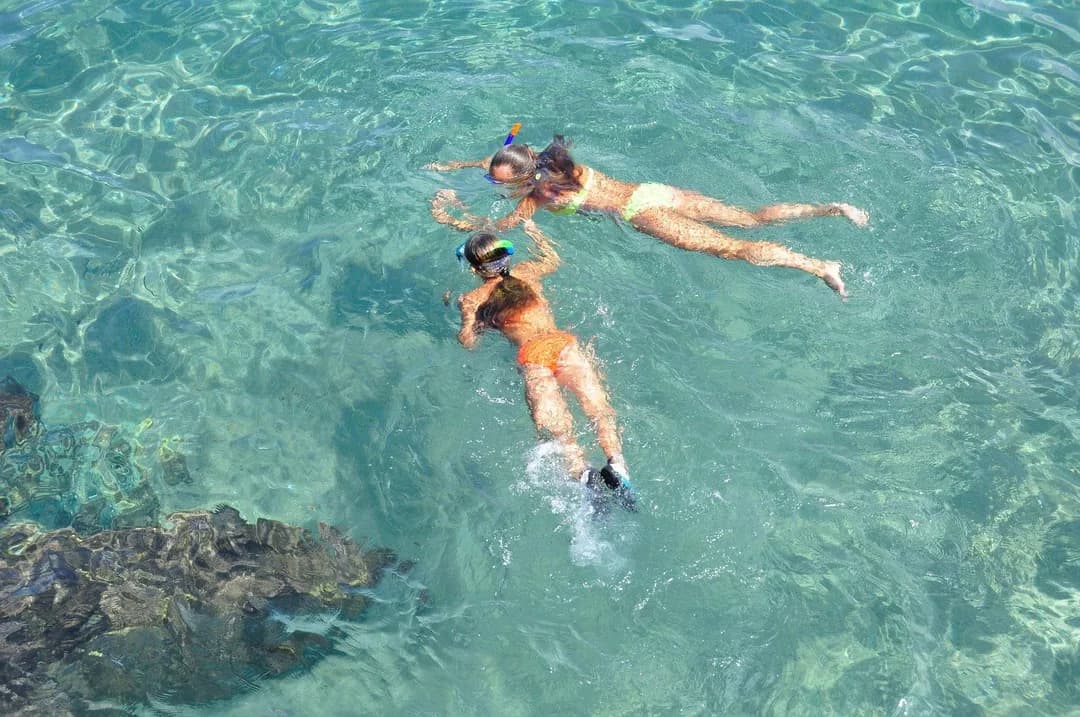
Under a mask the steadier company is rays, tropical fish, small sharks and sport fish working the seagrass. Touching or standing on coral, alive or dead, is prohibited here, and so is removing or keeping any marine life. The company runs an annual coral education camp with the local reef nonprofit Reef Relief for children aged 6 to 12.
Nobody Expects You to Arrive Knowing How
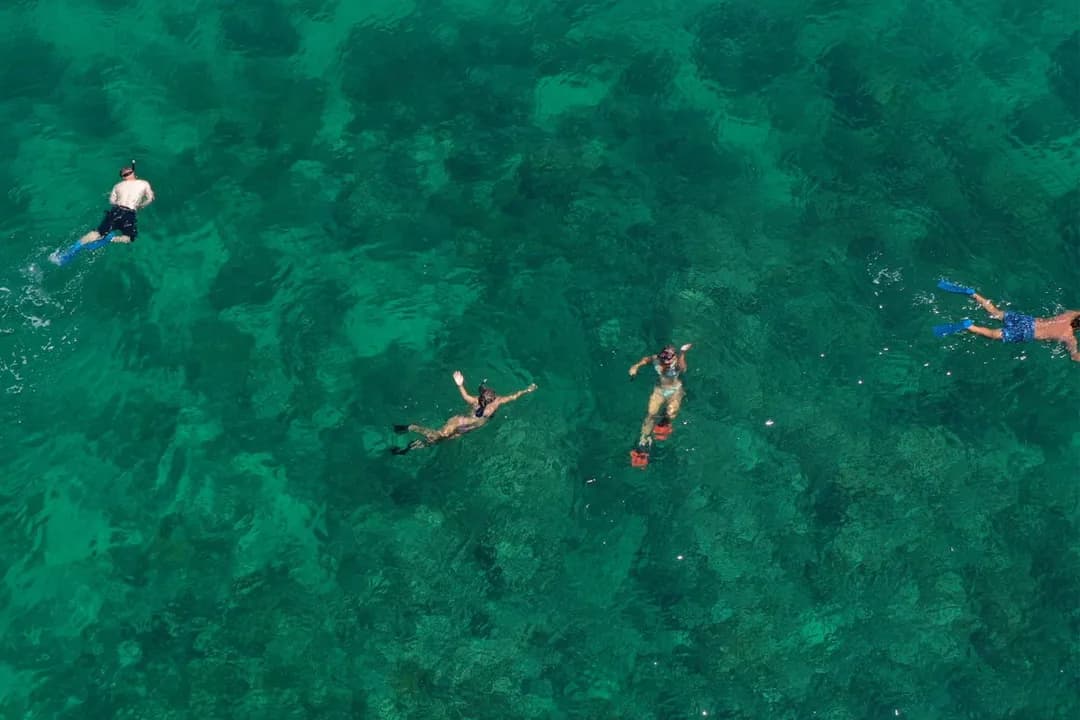

The crew briefs everyone, then gives a one-on-one lesson to anyone who wants one. Prescription masks are aboard. Gear is sanitized between uses.
Tandem kayaks carry a combined weight limit of 500 pounds, and the operator asks guests to judge their own abilities before climbing in. Crew help with loading. Some physical fitness is still needed. Smaller groups and families paddle together and larger groups get split in two. Staying on deck and skipping the water is an ordinary choice, and nobody is left waiting on the dock for it.
Four Shallow-Draft Schooners, the Oldest From 1986
The fleet is four custom-built shallow-draft schooners. Danger is a 48-foot skipjack from 1999, a replica of the boats that dredged oyster beds on Chesapeake Bay before the design came south to work the sponging and cargo trades. Sarah is a 52-foot Exuma from 1986 and the first sailboat the wooden boat builder Reuel Parker was ever commissioned to design. Danger's Prize, a 52-foot Exuma from 2002, came off the same drawing board. Danger's Pearl is a 57-foot rover from 1988.
Published passenger capacities across the fleet run from 26 to 30. This trip caps at twenty guests. Danger Charters has worked this water for more than 30 years and sails 364 days a year.
What the Ticket Leaves for You to Carry
Towels are not included. The Chandlery Store rents them, and it sells reef-safe sunscreen and sun shirts to anyone who turns up without either. Bring a bathing suit, a hat, sunglasses, a camera and a photo ID. A sweatshirt earns its space in the winter months.
Small coolers are welcome aboard as long as nothing in them is glass. Dietary restrictions go in the comments box at booking, and bringing your own food is allowed. Wine and beer are for guests aged 21 and over. Restrooms sit in the Dock Master's Office at check-in and every boat has a head, though there is no WiFi at the dock or out on the water.
Boats leave from the Danger Chandlery Store at 255 Front Street, inside Opal Key Resort and Marina in Old Town, and check-in closes half an hour before departure. Parking is the part to plan for. Meters on the surrounding blocks take cash, quarters and cards, the garage under the resort is usually full, and the operator's own advice is to bike, walk or take a taxi to the dock.
Cancelling through the booking platform returns the full fare up to 24 hours before departure. The operator keeps a longer clock on reservations made with it directly: 72 hours for parties of five or more, and 30 dollars per person to rebook inside 24 hours. Trips also need a minimum number of passengers and workable weather, and a trip that does not sail comes back as another date or a refund.
These are traditional sailing vessels. Boarding means stepping from the dock onto a hull that moves with the tide, the crew offers a hand for balance, and wheelchairs generally cannot come aboard; the boats have nowhere safe to stow them. The listing calls the trip suitable for all fitness levels, while the operator's own accessibility page is considerably more specific, and the reservations line is (305) 304-7999.
An afternoon boat ties up once the sun is down over the Gulf, which puts you back on Front Street with Old Town already lit and the evening still ahead of you.