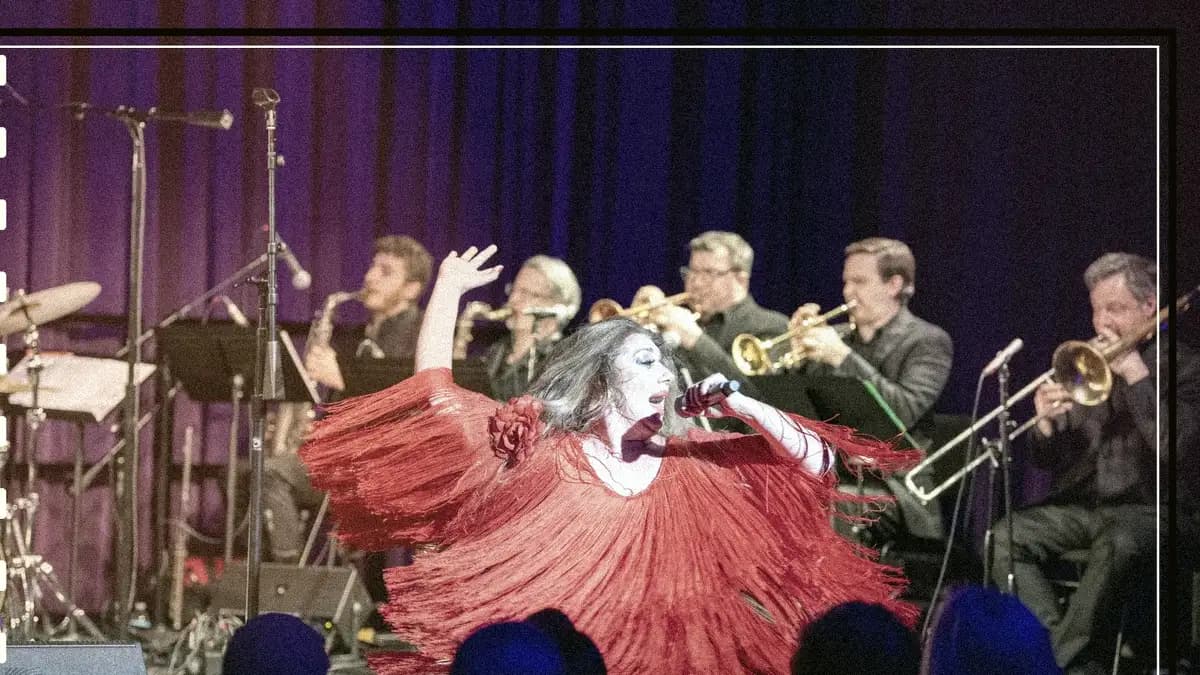
Music / Venue
A Bronx Jazz Night Needs a Door, Not a Benchmark
Smalls can teach the checklist. Bronx Music Hall is where this page should actually begin.
 Jonah Brooks
The first test of a jazz page is not the lineup. It is the door.
Where does the reader arrive? Who checks the ticket? How close is the stage? Does the room ask for listening, drinking, dancing, or a polite sort of leaning back? What happens when the set ends and everyone spills onto the sidewalk?
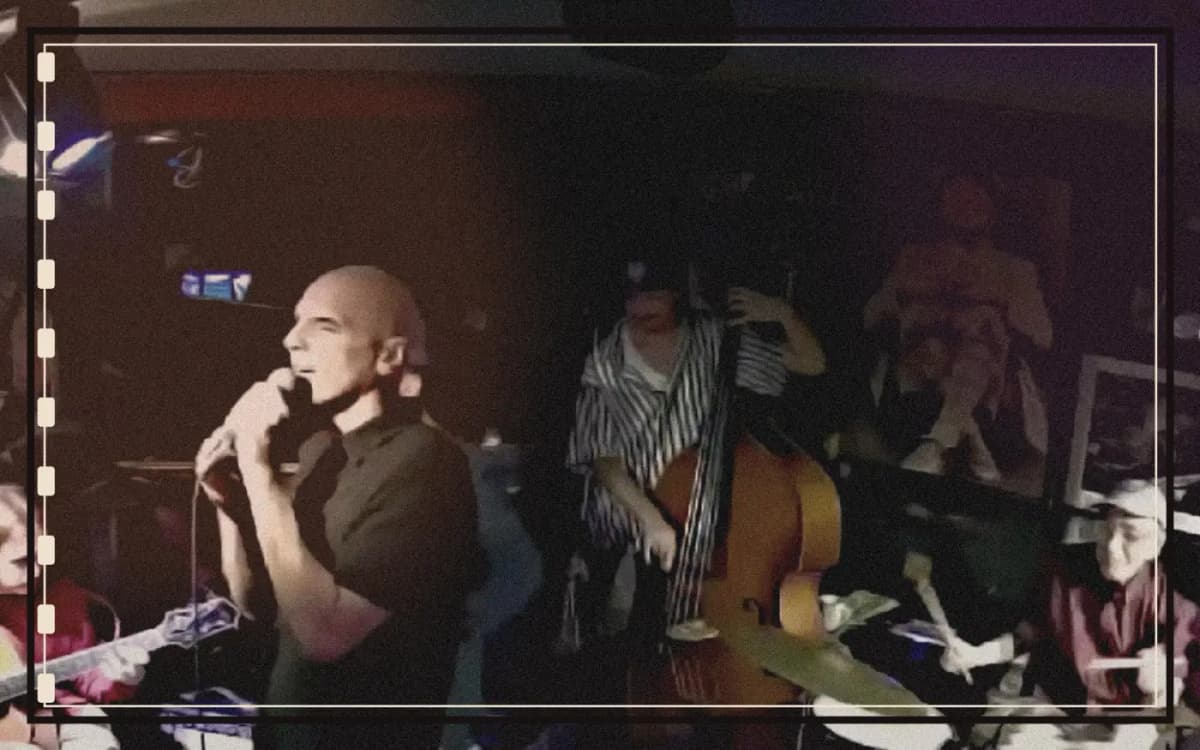
Smalls is a useful benchmark because it answers those questions with almost no decoration. Basement. Low ceiling. Tight seating. First-come seats. One-drink minimum. Late-night jam logic. It is a room that tells the audience what to do before the first tune starts.
It is also at 183 West 10th Street in Greenwich Village. That is Manhattan. A Bronx jazz page can borrow the questions. It cannot borrow the address.
The Benchmark: What Smalls Gets Right
Smalls is not useful here because it is famous. A famous name is only useful if it sharpens the edit.
The useful part is the physical contract: small room, close tables, low tolerance for distraction, sets that are clear enough to plan around, and a late-night jam session that changes the kind of night you are choosing. If you are going to write Bronx jazz with Smalls in mind, do not imitate the romance. Imitate the questions.
Ask:
• Is this a listening room, a dance night, a community performance, a restaurant set, or an open mic with music inside it?
• Does a ticket guarantee a seat, or only entry?
• Where does a solo visitor stand without blocking the room?
• Does the best sound sit near the stage, against a side wall, or farther back?
• What is the exit plan after the last train becomes part of the review?
Those are not decorative questions. They are the article.
The Bronx Answer: Bronx Music Hall
• Where: 438 East 163rd Street, Bronx, NY 10451
• Room type: performance venue and community cultural center
• Best first use: a Bronx-rooted live music night where the venue, not only the artist, carries the page
• Reality check: event-by-event tickets; cashless venue language appears on current event cards; all ticket sales are listed as final
Bronx Music Hall is the clean Bronx answer because it gives the page a real first door. WHEDco describes it as a performance venue and community cultural center for music, dance, theater, and interdisciplinary arts in the Bronx. It is also the permanent home of the Bronx Music Heritage Center, which was founded in 2010 to preserve and promote Bronx music, cultivate Bronx artists, and provide cultural programs for the community.
That matters because a Bronx jazz page should not sound like a downtown club with a borough sticker. The Bronx has its own music spine: Latin jazz, salsa, hip-hop, Afro-Caribbean percussion, community bands, student orchestras, open mics, dance classes, and weekend audiences who are not all trying to perform the same version of "jazz night."
The venue can hold that. The published feature list includes a flexible 250-person performance theater, a multi-use classroom and dance studio, a lobby and reception hall, recording and post-production space, dressing rooms, and adjacent plaza seating for outdoor performances. That is not the same promise as Smalls. It is not supposed to be.
Smalls compresses the room. Bronx Music Hall opens the room.
The First 30 Seconds
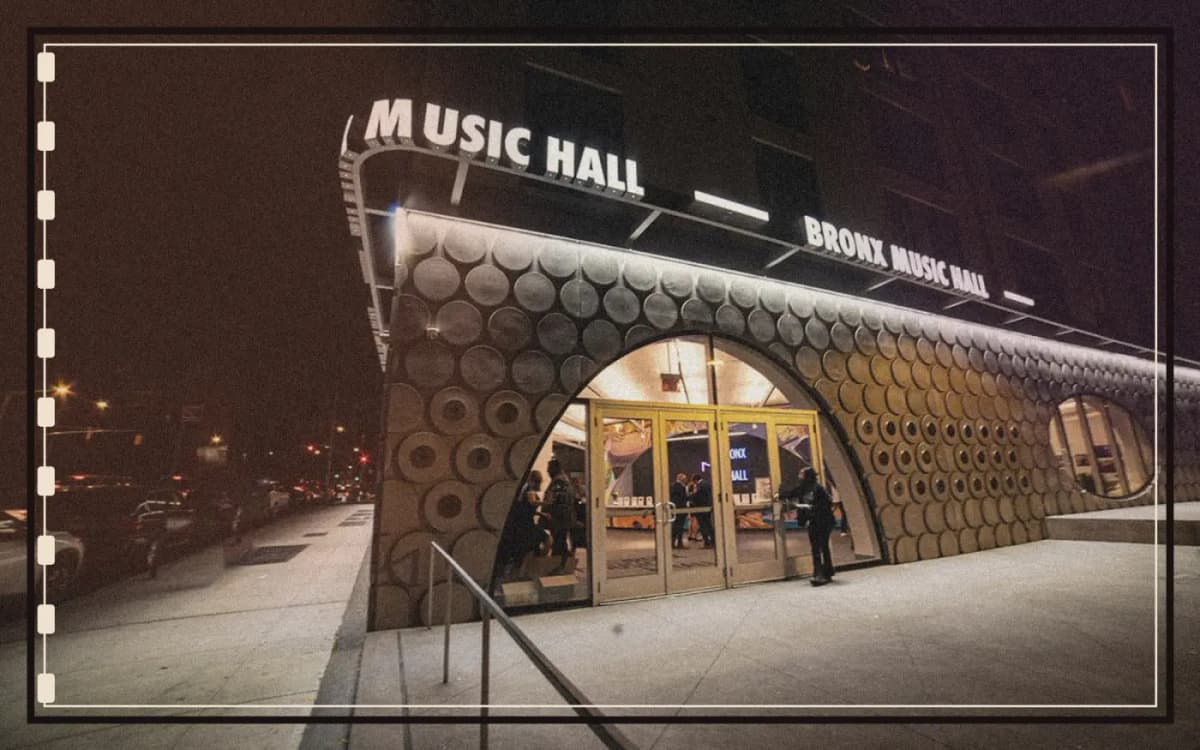
The front door is not shy. At night, the marquee does most of the work. You do not need a speakeasy staircase or a whisper network to find it. The entrance reads as civic, not secretive: a lit facade, a visible lobby, a sidewalk wide enough to gather before the show.
That changes the social math. Smalls is better when you already know you want a basement listening room. Bronx Music Hall is better when the night needs a public door: a friend meeting you outside, an older relative coming with you, a first-time listener who wants the room to explain itself before the music does.
• Best arrival: build in enough time for the bus or walk from the train.
• Worst arrival: treating it like a one-stop Manhattan club and discovering the last mile after you are already late.
How The Room Works
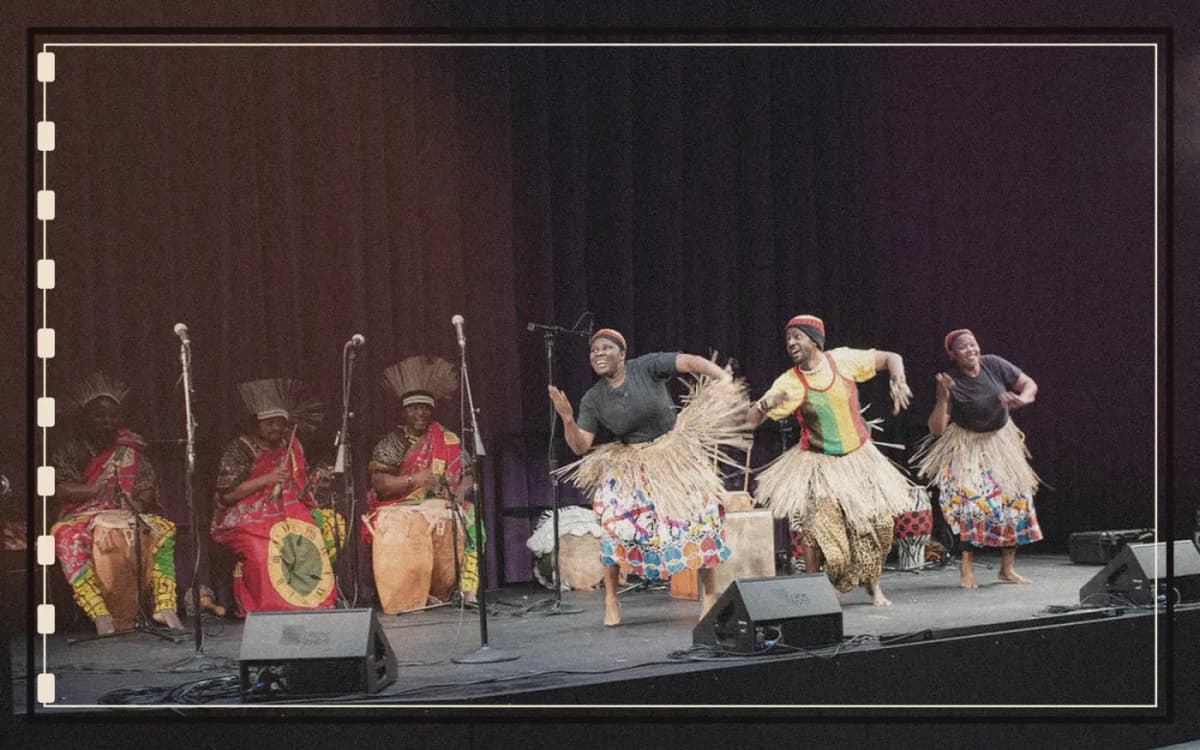
The theater is the main reason to rewrite the page around BMH instead of around Smalls. A 250-person flexible room can handle more than one kind of night. It can take a seated concert, a dance-centered program, a spoken-word evening with music, a school showcase, or a Latin jazz set with percussion and bodies in motion.
That flexibility is good, but it means the article has to do more work. Do not write "jazz" as if every reader is making the same decision. A listening-room set and a community performance are different nights. A comedy bill with music nearby is not a jazz recommendation just because the building books music. A dance-forward event needs room logic; a seated concert needs sightline logic.
For a music-first event, I would want the front third if the setup is seated and the stage is doing most of the sound. For a mixed program with dance, I would rather sit slightly back and centered, where the whole stage can be read at once. The worst spot is not always the back row. The worst spot is the place where late arrivals, bar movement, or aisle traffic turns your ear into a hallway.
Acoustics are a policy, not an accident. The page should tell the reader what kind of attention the room is asking for.
The Community Room Is Not A Side Note
This is where Bronx Music Hall gets more interesting than a one-night listing.
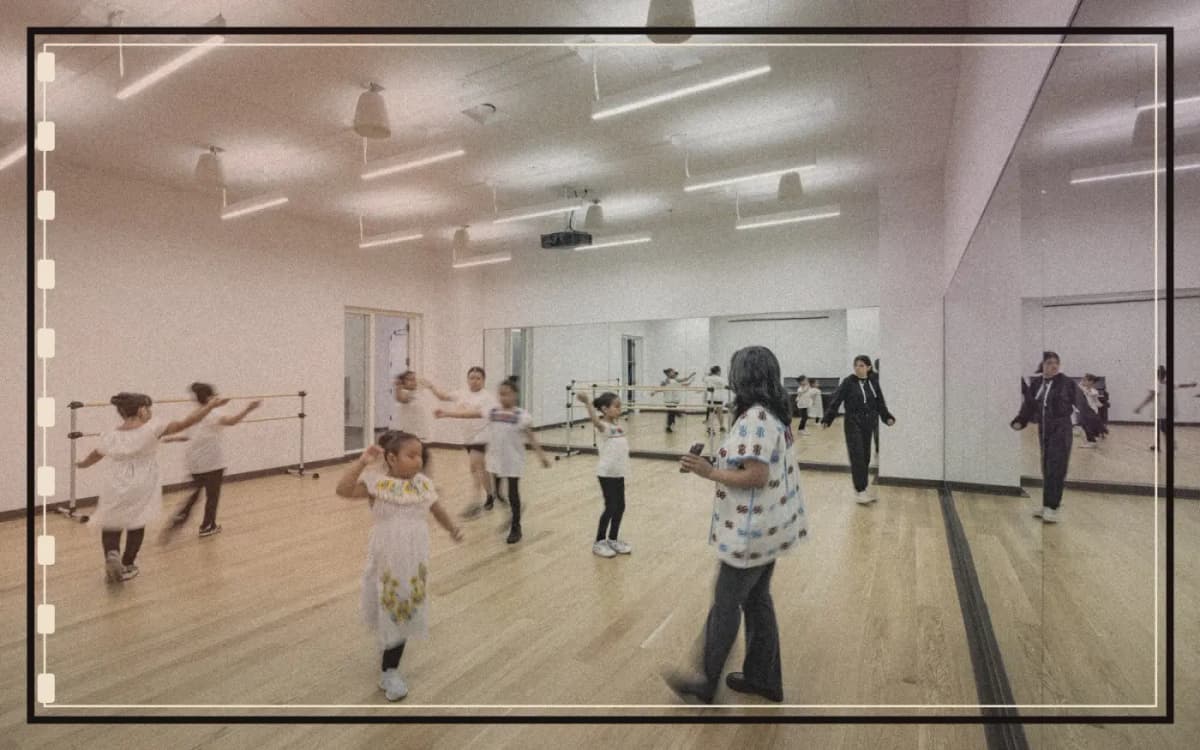
The building is not only a ticketed stage. WHEDco lists music and dance classes, small-group instruction, and the Latin Jazz Youth Orchestra directed by Bobby Sanabria, with high-school students and an emphasis on Bronx-based players. That turns the venue from a room that receives touring acts into a room that produces musicians, dancers, and audiences.
For Karpo, that is the thicker angle. The page should not simply ask "who is playing tonight?" It should ask what ecosystem the room belongs to. A venue with classes, youth orchestra work, community programming, and a public theater is not just nightlife. It is a neighborhood music machine.
That does not mean every event is automatically worth the trip. It means the selection bar changes. You are not only judging a set. You are judging whether this specific night lets the room do what only this room can do.
Getting There Without Lying To The Reader
Subway shorthand is where thin pages get caught.
WHEDco's transportation notes give the real version: 4, B, or D to Yankee Stadium plus about a mile walk, or connect by Bx6/Bx6-SBS to East 161st Street and Melrose Avenue; 2 or 5 to Third Avenue/149th Street plus about a mile walk, or connect by Bx41 to Melrose Avenue and East 162nd Street. Bus options include Bx6-SBS, Bx21, and Bx41. Metro-North's Harlem Line to Melrose is also listed.
That is not a reason to skip the venue. It is a reason to write the plan properly.
Good Bronx pages do not hide the transfer. They place it. If the event is a 7PM start with doors before showtime, say what time to leave. If the reader is alone, say whether the walk or the bus connection is the smarter late-night move. If the show is family-friendly or multi-generational, do not pretend every guest wants the same walk back to the train.
The exit is part of the review.
Who This Is For
Go if you want a Bronx music night where the room has civic weight, not just club intimacy. Go for Latin jazz, percussion, community-rooted programming, dance-adjacent performance, spoken word with music, or a bill where the borough connection is not decorative.
Think twice if what you want is a tiny basement, one-hour set, whisper-close trumpet, and no moving parts. That is when Smalls remains the correct Manhattan answer.
• Best seat: centered, slightly back for dance or larger ensemble work; closer in for a seated music-first set if the room is configured that way.
• Worst seat: anywhere the aisle becomes the show.
Bottom Line
Smalls should stay in the piece as a measuring stick, not a substitute.
A Bronx jazz page needs a named Bronx room, current event facts, a door time, a ticket rule, a seating expectation, and a way home. Bronx Music Hall gives the page enough structure to stop being a correction and become a recommendation.
The room decides before the set list does.
Smalls Jazz Club, 183 West 10th St, New York, NY 10014