Music / Event
Save the Ceiling for Last: Kurt Vile at the Brooklyn Paramount
The room is half the ticket. A crowd-flow plan for the July 23 WFUV show — where to stand, when to join the line, and how to leave Flatbush without regretting your route.
 Marcus Hale
I used to work a museum front desk, which means I think about rooms before I think about what's in them. Most concert previews will tell you what Kurt Vile sounds like in 2026. Fine. But on July 23, when Kurt Vile and the Violators play the Brooklyn Paramount, the thing that will quietly shape your whole night isn't the setlist — it's a 1928 movie palace that spent four decades as a college basketball gym and came back, two years ago, wearing all of its original gold. You should plan for the room the way you'd plan for a museum: entry timing, sightlines, one space you deliberately save for last.
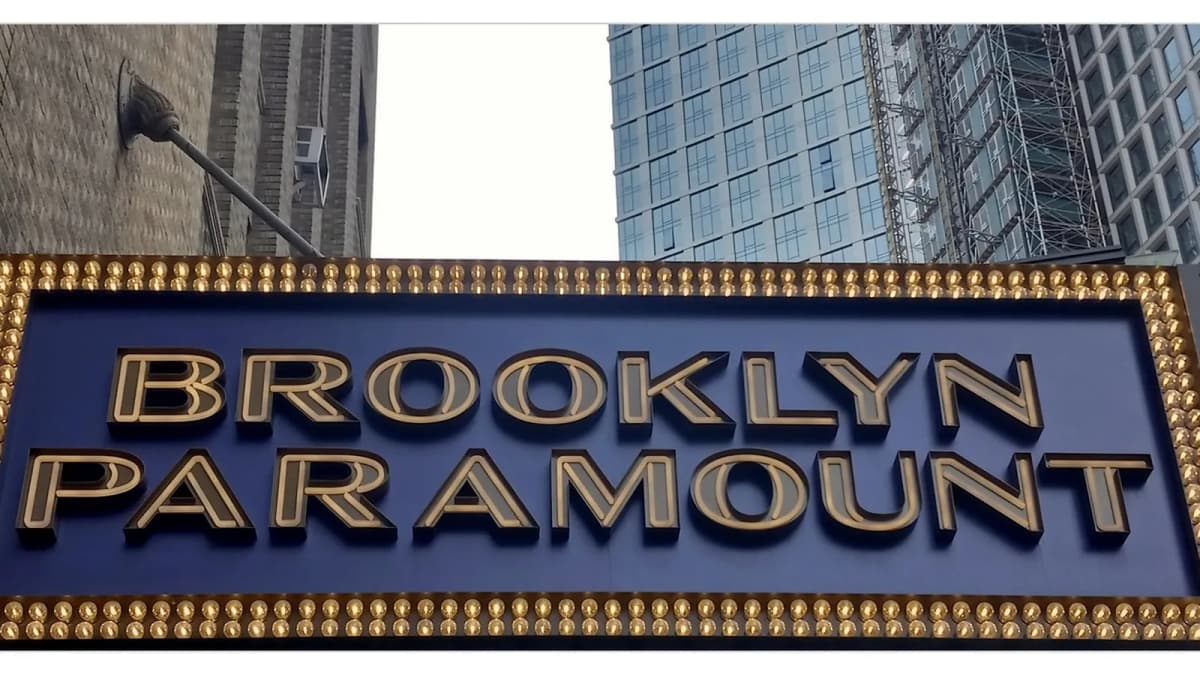
Here is the night in one sentence: WFUV presents Kurt Vile and the Violators, with Austin's Being Dead opening, on Thursday, July 23, 2026, at the Brooklyn Paramount, 385 Flatbush Avenue Extension, Downtown Brooklyn — doors listed at 7pm, music at 8pm, part of the KV's Been Good to Me Tour behind the new album Philadelphia's been good to me, released at the end of May on Verve. Everything else in this piece is about how to use those facts well.
The Show, Before the Room
Vile's 2026 tour is a homecoming lap in slow motion. The album title says Philadelphia, but the itinerary says everywhere: a North American run that started in Toronto in June, a European leg waiting in August, and this Brooklyn date sitting comfortably in the July stretch. The Violators remain the right delivery system for his long, unhurried guitar lines — songs that drift rather than build, which matters for how you position yourself, and I'll get to that.
The WFUV name on the ticket is worth reading correctly. When the Fordham public radio station presents a show, the crowd tilts a particular way: people who listen to whole albums, arrive on time for openers, and talk less during quiet passages. That is a real difference you will feel in the room, and it means Being Dead — a band worth the early arrival on their own merits — will play to an audience that actually showed up.
A radio station's name on the marquee is the most reliable crowd forecast in live music.
A Movie Palace That Refused to Stay Quiet
The Brooklyn Paramount opened on November 4, 1928, designed by Rapp & Rapp, the Chicago firm that built cinema like it was cathedral work. Original capacity: 4,084 seats, under a rococo ceiling, with a lobby that once ran to chandeliers and goldfish fountains. A four-manual Wurlitzer organ — Opus 1984, with 1,838 pipes — went in with the building and, remarkably, never left.
The bookings kept pace with the architecture. Ella Fitzgerald and Duke Ellington played here in the jazz years. Then, in the mid-1950s, Alan Freed staged his rock-and-roll package shows on this stage — Chuck Berry, Buddy Holly, Little Richard, Fats Domino — bills that are now shorthand for the birth of the form as live spectacle.
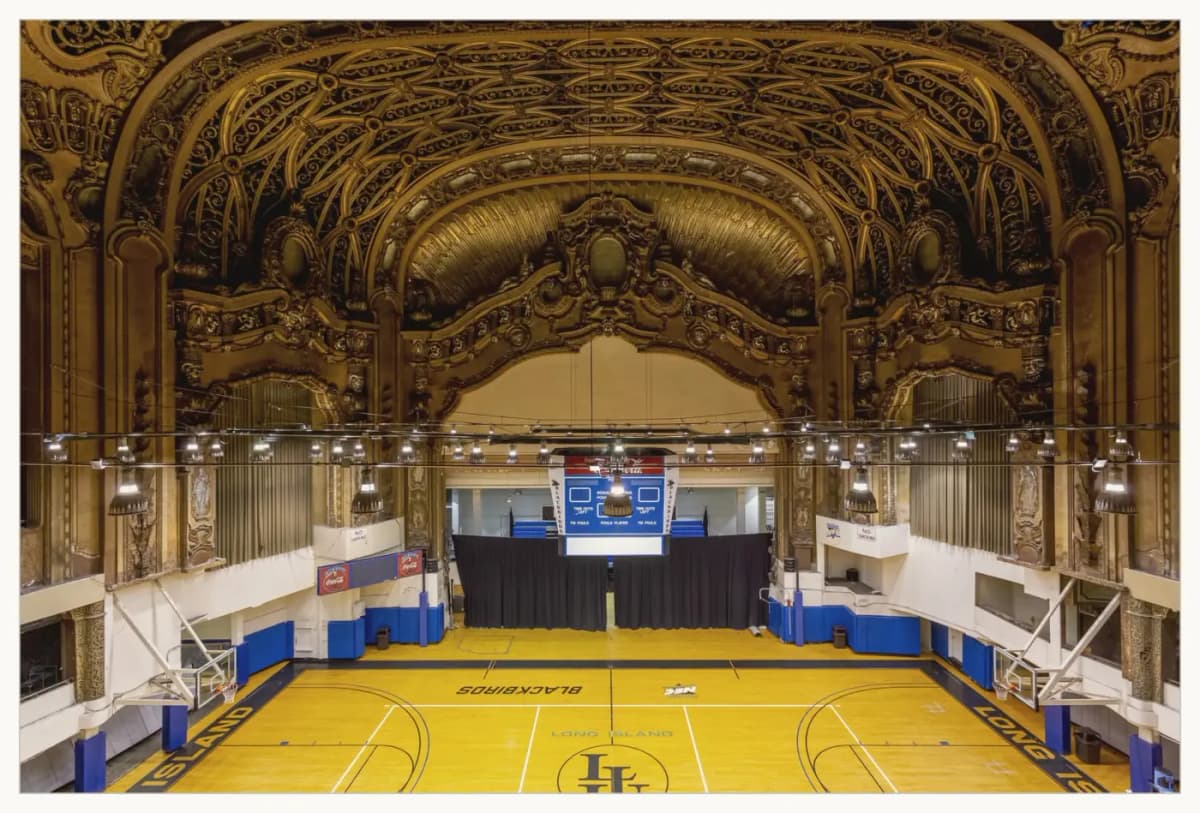
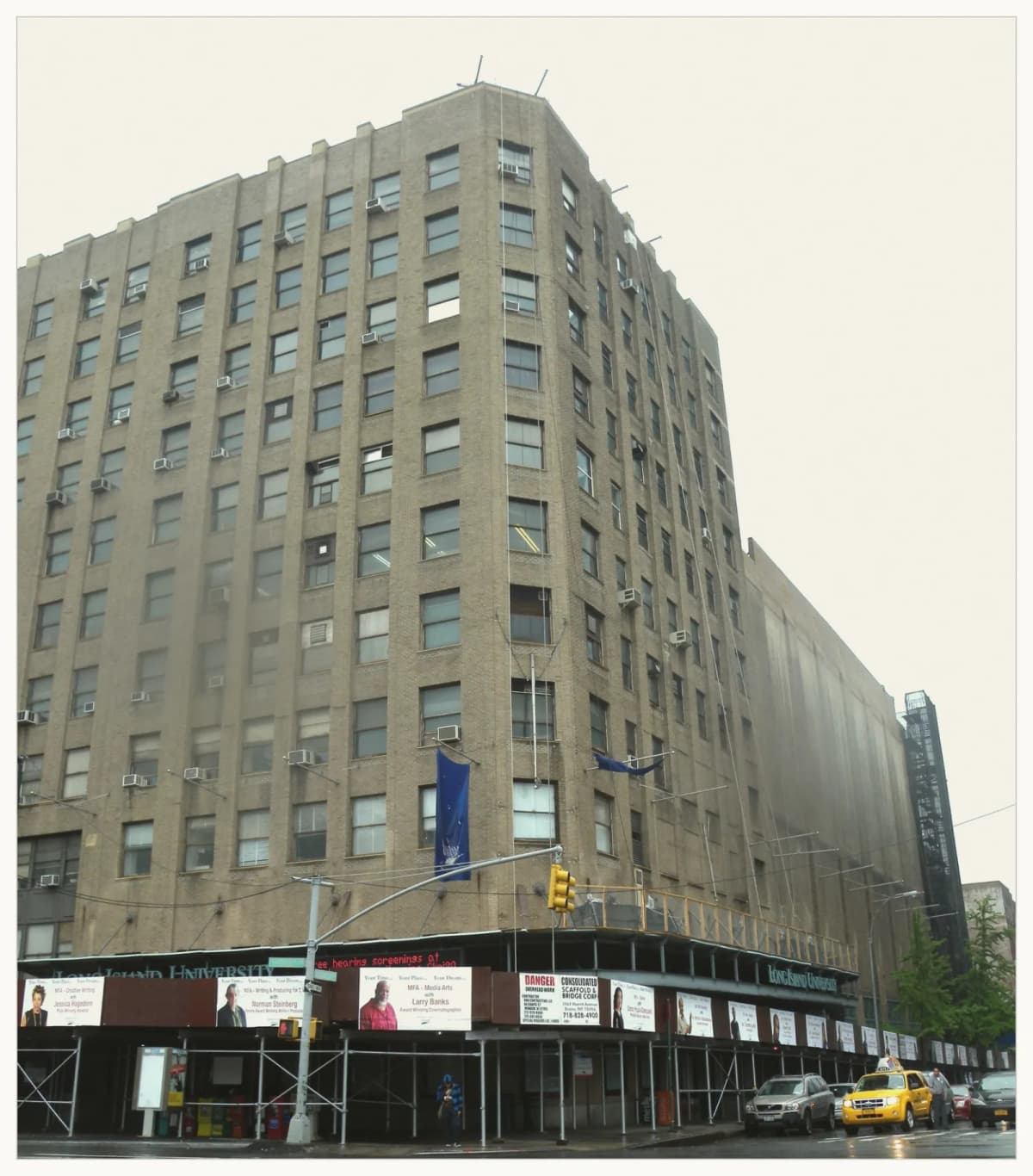
And then the building did something almost no palace of its kind survived: it became a gym. Long Island University converted the theater into its athletic center in the early 1960s, and for over forty years the Blackbirds ran basketball drills under that gilded proscenium. Students shot free throws where Ellington's orchestra had set up. The ceiling stayed. The ceiling always stayed.
What the Restoration Actually Changed
Live Nation took the building over and reopened it as a concert hall on March 27, 2024, after a multi-year restoration handled by the design firm Arcadis. The headline numbers: capacity is now around 2,700 — roughly 2,500 of that standing on the main floor, with a couple hundred seats up on the balcony. The floor was rebuilt with a slope toward the stage, which is the single most consequential design decision for anyone under six feet tall. Multiple bars are spread through the building, including Ella's Lounge on the balcony level, a piano-lounge space named for Fitzgerald that generally requires a ticket upgrade.
What the restoration didn't change is the point. The plasterwork, the latticed ceiling, the ornate arch over the stage — the original hand-crafted detail was preserved rather than reinterpreted. Walk in expecting a standard black-box Live Nation room and the first thirty seconds will reorganize your expectations. Walk in expecting an opera house and you'll notice the modern sound and lighting rig hanging from a ninety-eight-year-old ceiling. Both readings are accurate.
Crowds are a curatorial choice. A raked floor is the venue telling you it thought about the people in the back.
How to Work the Room
Treat this like a 90-minute museum visit with a concert attached. My plan, in order:
Arrive for the opener, not the headliner
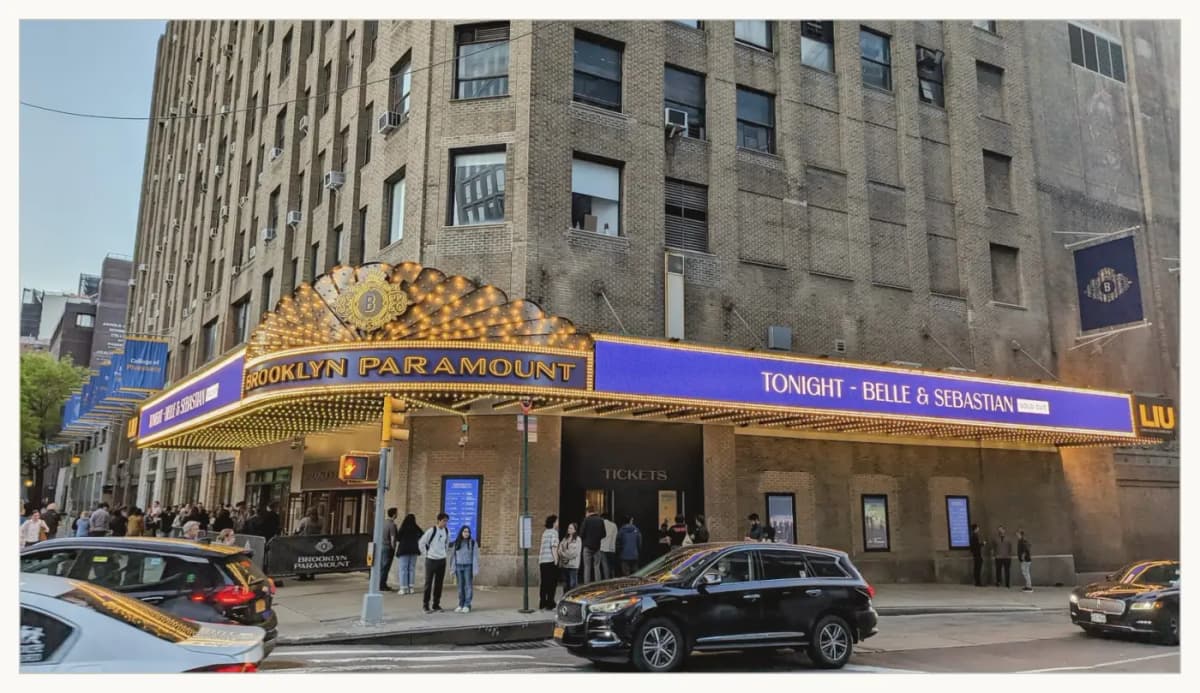
Doors are listed at 7pm, music at 8pm. The line forms on Flatbush Avenue Extension under the marquee, and on summer show nights it moves steadily but not instantly — every bag gets searched. Arriving between 7:00 and 7:30 gets you through security with time to actually look at the lobby instead of being carried through it. The marble floors and restored chandeliers deserve ninety seconds of your attention; almost nobody gives them ten.
Pick your spot for drift, not impact
Vile's sets reward patience more than proximity. The sloped floor means center-mid is a legitimate choice here in a way it isn't in flat-floor rooms: you keep sightlines without the front-third crush. If you hold a balcony seat, you've traded closeness for the best architecture view in the house — from up there, the ceiling and the stage share your field of vision, which for this particular building is not a consolation prize.
Save the ceiling for last
This is the front-desk habit I can't shake: leave one thing deliberately unexamined until the end. During the encore, when the lights come up warm and everyone else is filming the stage, tilt your head back and give the ceiling a full minute. Two years of restoration work, four decades of basketball, a century of Brooklyn — it's all up there, and it reads differently at 10:45pm with a room full of people than it does in any photograph.
Tickets, Doors, and the Fine Print
The unglamorous facts, which are the ones that ruin nights when ignored:
• Tickets run through Ticketmaster and Live Nation; the box office at the venue opens at 2pm on show days, and will call is available roughly an hour before doors.
• Bags up to 12" x 6" x 12" are allowed; everything gets searched at entry. Skip the backpack if you can.
• No re-entry. Once you're in, you're in — plan dinner accordingly (see below).
• Coat check exists year-round and can be reserved in advance; in July, this matters mostly if you're checking a bag rather than a coat.
• Cameras with detachable lenses are prohibited, along with the usual list — recording gear, iPads, selfie sticks, outside food and drink.
• Bring photo ID; entry runs off your phone.
None of this is unusual, but the no-re-entry rule combined with a 7pm door means the smart move is eating before you queue, not gambling on a fast in-and-out.
The Flatbush Exit Plan
Leaving a 2,700-person room takes ten to fifteen minutes of shuffle; use it to decide your next move rather than standing on the sidewalk deciding.
The subway situation is close to ideal. The B, Q, and R stop at DeKalb Avenue directly across the street — you can see the station entrance from the marquee. The 2, 3, 4, and 5 are about a fifth of a mile away at Nevins Street. If you drove, the venue's parking partners are in garages on Ashland Place and Rockwell Place, both a short walk; do not attempt street parking in Downtown Brooklyn on a Thursday night and expect a good story.
And there's Junior's. The original location — open since 1950 — sits right across the intersection, facing the theater it has outlasted and outwaited through every one of its identities. Post-show cheesecake at a Formica counter, in sight of the marquee, is the correct ending to this particular evening, and I say that as someone professionally suspicious of the word "iconic."
Who This Night Is For
Go if: you like your guitar music horizontal and your architecture vertical; you're the person who arrives for openers; you've been meaning to see the restored Paramount and want a bill that suits the room's temperament rather than testing its decibel ceiling.
Think twice if: you want a rail-grip, mosh-adjacent night — this isn't that lineup or that floor culture — or if standing for three hours is a real cost and you haven't secured one of the limited balcony seats.
A hundred years ago this room was built to make ordinary Brooklyn evenings feel architecturally serious. It spent decades as the borough's strangest gym, and now it's back to its original job. Kurt Vile — a musician who has made a career out of taking his time — playing a building that took ninety-eight years to get back to where it started, is a better pairing than the marquee lets on. Take the Q. Look up during the encore. Save the ceiling for last.
Brooklyn Paramount, 385 Flatbush Avenue Extension, Brooklyn, NY 11201