Pour a Three-Pound Soap Loaf, Then Meet the Goats
A small homestead south of San Luis Obispo runs a ninety-minute soap studio. You blend, color and pour a full three-pound loaf from the milk of the herd grazing out back, then go meet them while it sets.
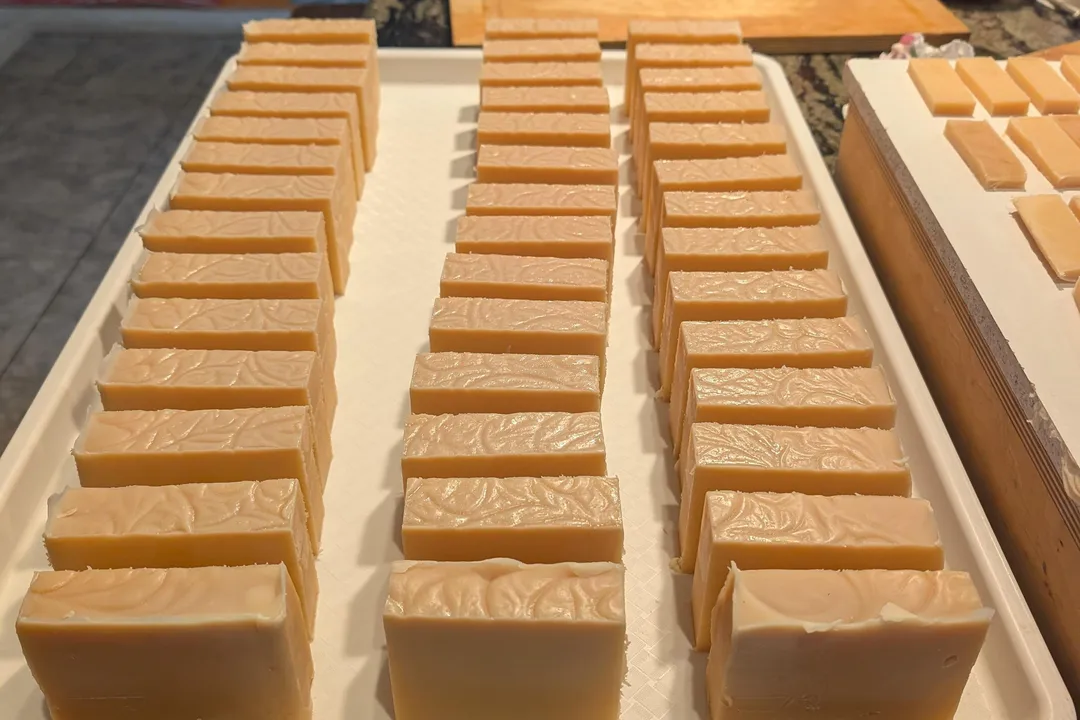
Goat milk soap sounds like a gift shop item until you watch one get made. The milk comes from a herd that lives a short walk from the table you work at, and the person teaching is the one who keeps them. Ninety minutes gets you one full batch, poured into a mold you carry out yourself. The loaf is still soft when you leave. Everything after that happens in your kitchen.
The studio sits at the end of a residential court in Nipomo, at the south end of San Luis Obispo County. Sessions run Monday through Thursday and on Saturday, at ten in the morning or two in the afternoon. Watch for the ranch sign on the corner.
 Artesian Soap Making Experience at Diamond E RanchNinety minutes in the ranch studio. Pick your scents and colors, pour a three-pound loaf, then walk out to the dairy herd while it firms up.www.viator.com
Lye, Milk, and the Moment You Pour
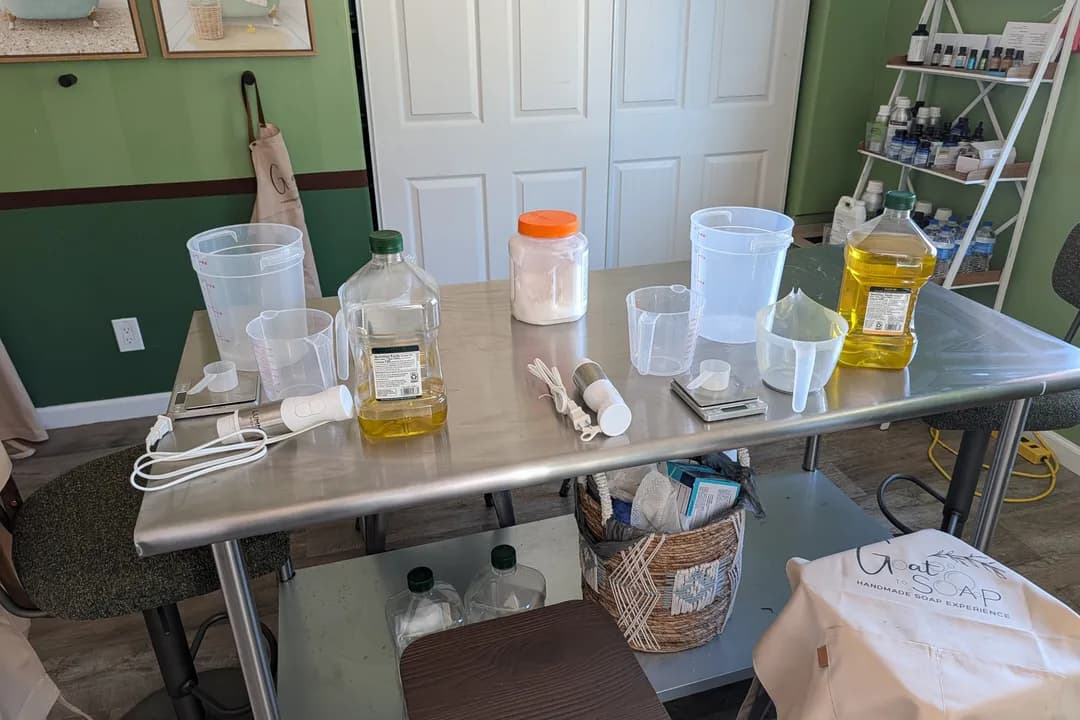
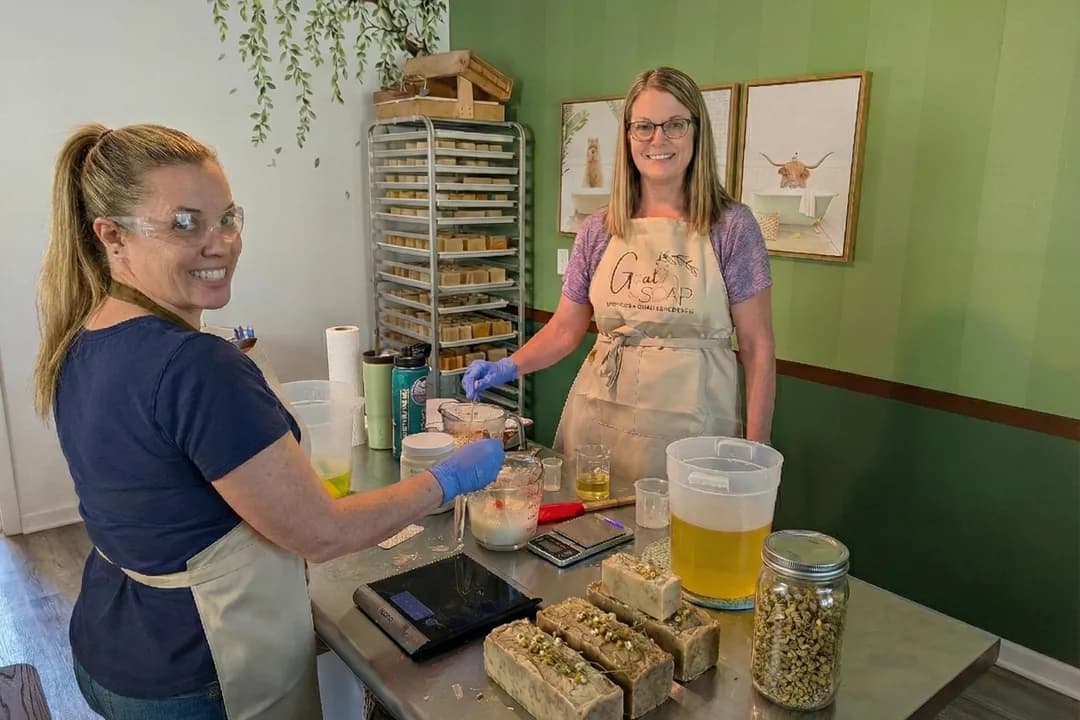
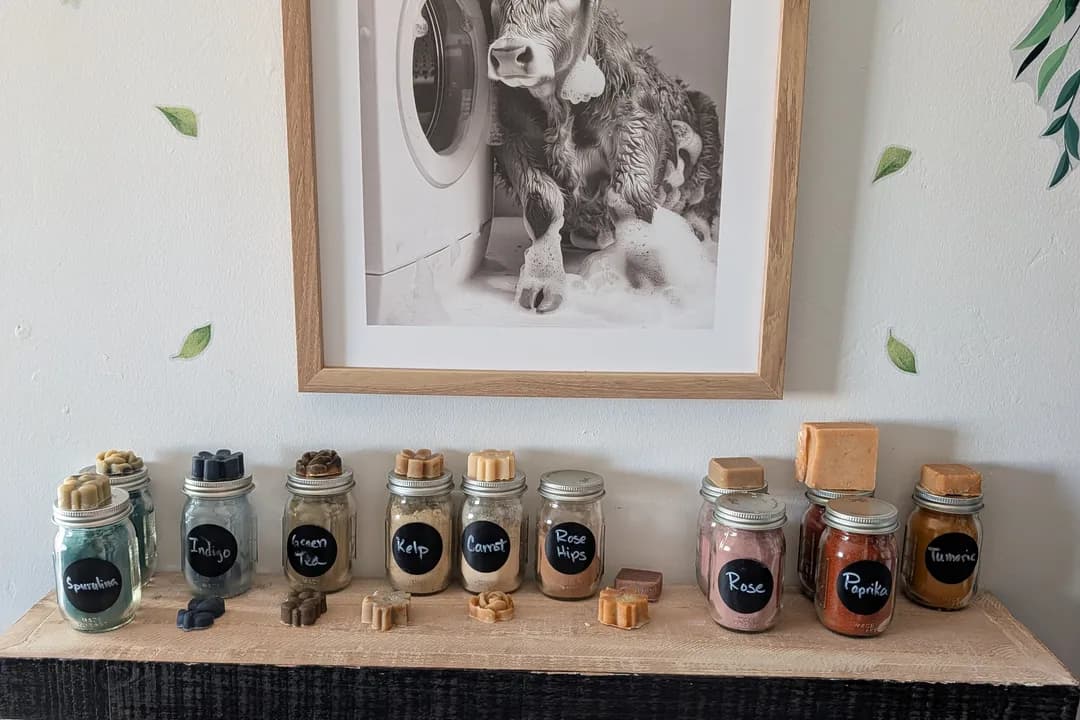
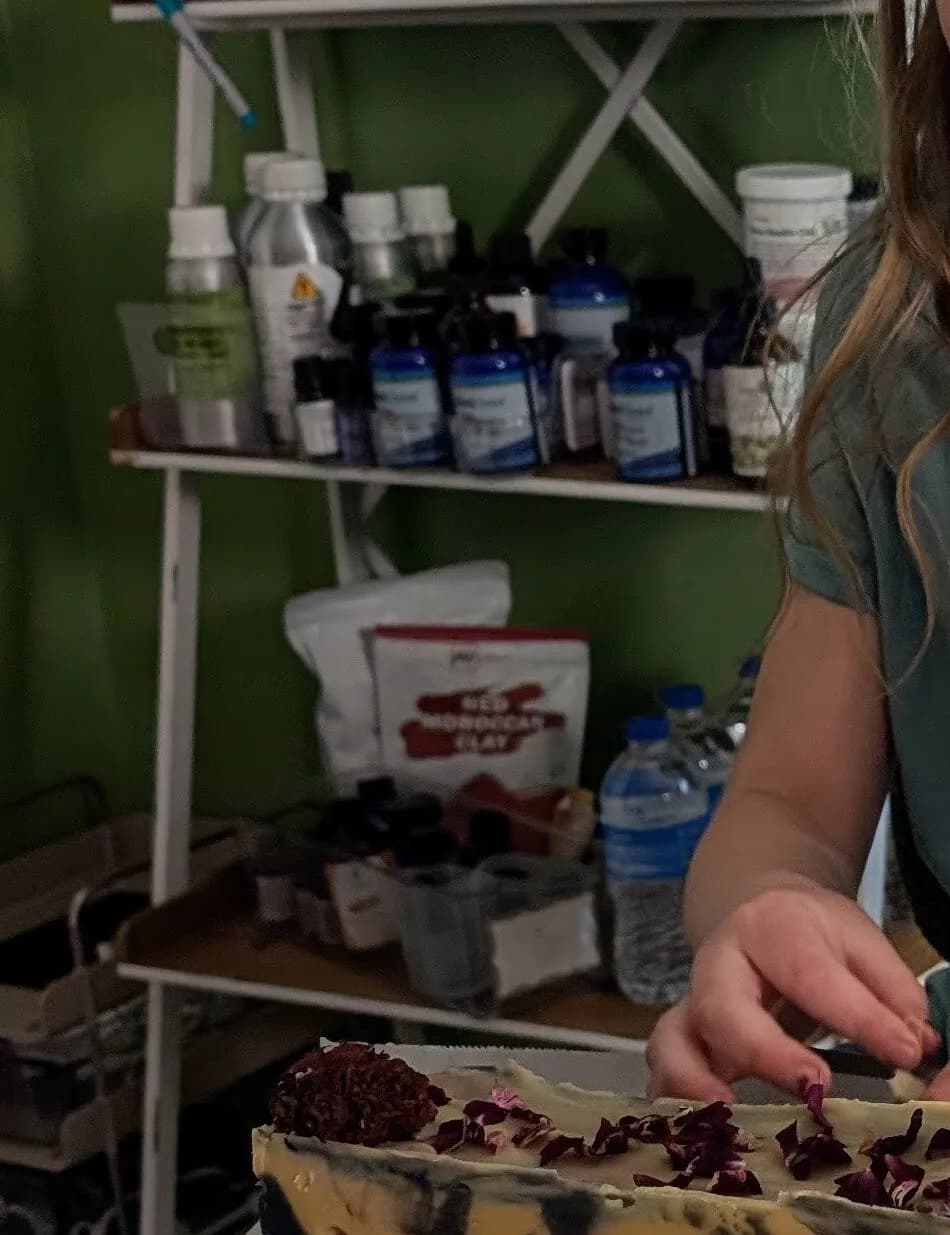
Work happens at a steel table with the oils already measured. You choose from a shelf of essential oils, natural colorants and clays, then blend them into the goat milk and lye base while Christine Erdman explains why each step lands where it does. The pour is timed, because the batch has to go into the mold just as it starts to thicken. Safety gear and every supply are provided. One guest who had never made soap before wrote in November 2025 that the process is made easy by Christine's in-person instruction, and that her joy of teaching fills the room.
The Loaf Comes Home Soft
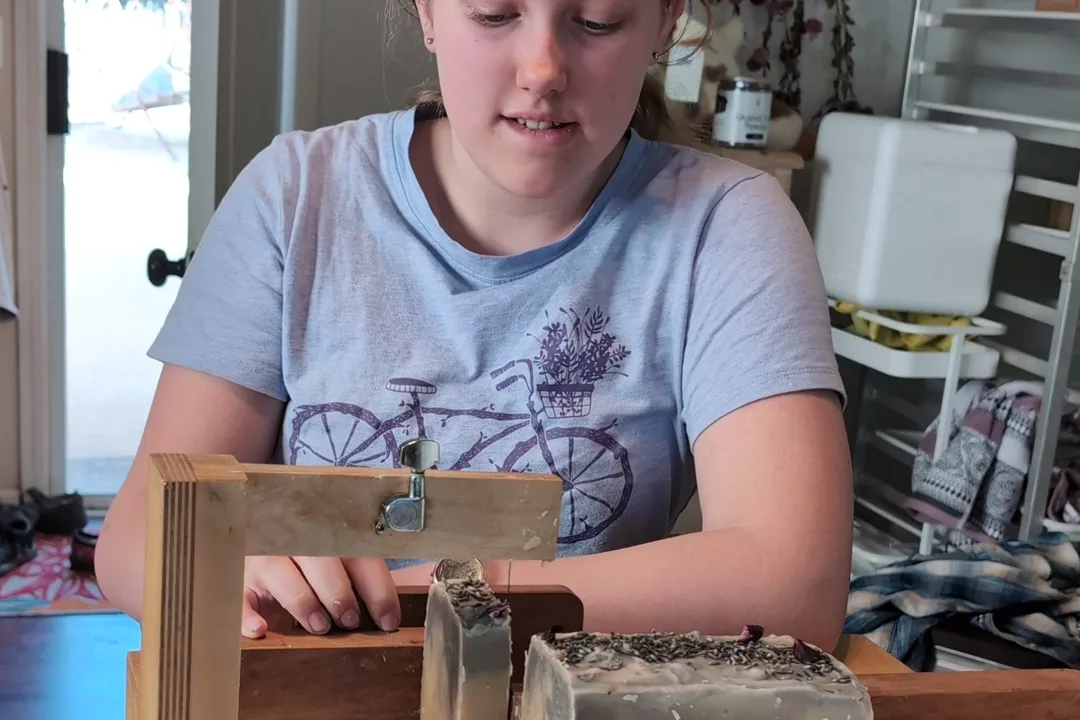
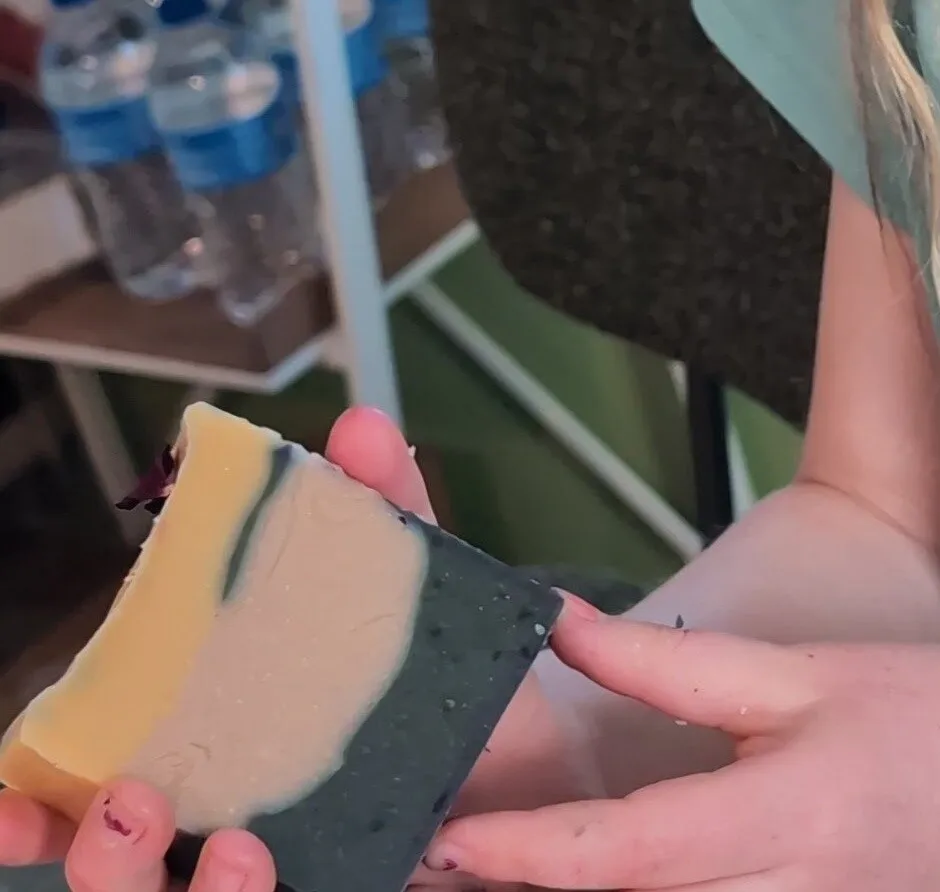
Your loaf is boxed before you leave. Give it forty-eight hours before you cut it, then slice it into ten to twelve thick bars. Those bars then need roughly a month of open-air curing at home before they are ready to use. The ranch keeps finished bars on the shelf if you want something you can use tonight. The one you poured will be ready about the time you have stopped thinking about it.
The Goats Are Inside the Ninety Minutes
While the soap sets, the group walks out to the pens. The ranch names its herd as Nigerian Dwarf, a miniature dairy breed, and keeps chickens alongside them. The walk out to the animals sits inside the booked ninety minutes. Guests have described feeding the herd, and one wrote about holding a baby goat. The listing excludes overnight stays, and the ranch's own FAQ confirms the workshop can be booked without one, so this booking ends when the ninety minutes do.
What to Settle Before You Book
One booking takes up to five travelers and the session stays private to your group. The listing advises against children under twelve, and anyone under eighteen has to be booked alongside an adult. Monday through Thursday runs USD 69 a head and USD 59 for three or more; Saturday runs USD 79 and USD 69. Bottled water is the only extra the ticket covers. Two costs sit outside it: a lacto-vegetarian recipe that swaps the lard for butters and oils runs USD 20 extra and has to be requested ahead of time, and the studio's rarer essential oils and botanicals cost extra with no published rate.
Cancel at least twenty-four hours out for a full refund, and book a day ahead, because the window closes before the morning of your session. Sessions begin at ten or at two. The two o'clock slot puts you back on the road with a boxed loaf, goat hair on your sleeve, and the rest of the afternoon still ahead of you.