

Pick Two to Ten New York Attractions, Then Take 30 Days
Choose how many attractions you want, from two up to ten, and start the 30-day clock at whichever one you enter first.
Go City sells three New York passes, and only one of them lets you set the size. The All-Inclusive pass ends each of its days at midnight no matter when you start. The Essentials pass fixes the count at three from a curated list.
The Explorer Pass is sized by count instead. You choose how many attractions you want and pay for that number, in fixed steps — two, three, four, five, six, seven, or ten picks — rather than every number in between. More than 90 New York attractions are in range, from the observation decks down to a Vessel ticket listed at up to 15 dollars. Pricing starts at 89 dollars.
Nothing on it is scheduled for you. The order, the days, and the pace are yours to set once the pass is paid for.


Klook carries the same pass under Go City's name, with the tiers and the attraction list unchanged. Go City prints a comparison price beside each attraction, and those figures sit at the ceiling rather than the going rate: Edge sells timed general admission from 42 dollars on its own site, against the 69 dollars listed beside it here.
That is the calculation to run before choosing a tier. Compare the pass against the tickets you would actually have bought, not against the highest version on offer, and remember the condition attached to every tier: it holds only if you use each pick you paid for. Unused picks expire with the window.
 Go City - New York Explorer PassPick your attraction count, then 30 days to use itaffiliate.klook.com
Spend Your Picks on the Expensive Doors


Go City prints a comparison price beside every attraction, which makes the ranking straightforward even where the number runs high. The observation decks sit at the top: Edge listed at up to 69 dollars, Top of the Rock at up to 65, the Empire State Building at up to 57, One World Observatory at up to 48.
The museums land in the middle band. The American Museum of Natural History is listed at up to 43 dollars, the Intrepid Museum at up to 38, MoMA and the Whitney at up to 30 each.
At the bottom sit the entries that cost a pick and return very little. The Vessel is listed at up to 15 dollars and the Guggenheim at up to 16 — fine places to spend an hour, weak use of a pick when you hold only two or three.
Thirty Days Changes the Itinerary
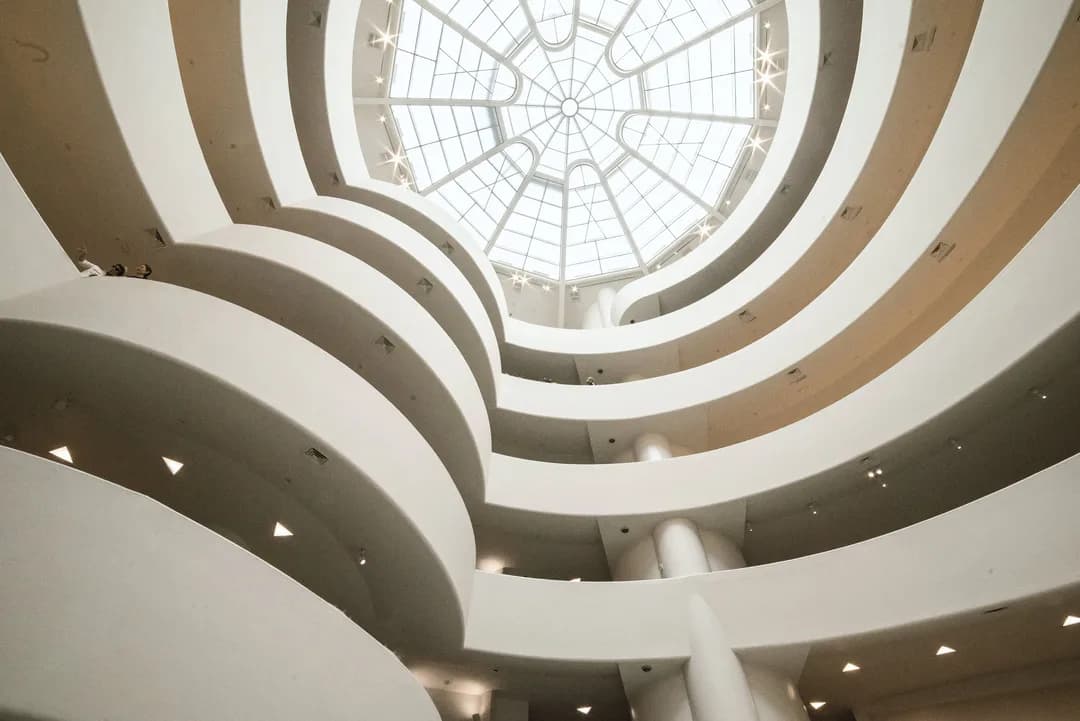

The window is the part people miss. An unactivated pass keeps for 12 months from the purchase date, which means buying in March for a June trip costs nothing in lost time. The 30 days are consecutive calendar days counted from the first attraction you enter, not from checkout.
That makes the pass usable by people who already live here. Three Sunday afternoons across a month, one museum each, spends a five-pick pass without a single rushed day. Visitors on a short trip get the reverse of the same freedom: no reason to stack two observation decks into one afternoon.
Tier decides part of the list. The Guggenheim, the Whitney, and the Vessel are marked for Explorer and All-Inclusive holders — the three-pick Essentials pass does not carry them.
The Entries That Need a Time Slot
Go City's own guidance is that many attractions take you without a reservation while the popular ones need booking ahead, and the app stamps the ones that do.
The stamped list includes the Empire State Building, Edge, Top of the Rock, the 9/11 Memorial and Museum, the Statue of Liberty and Ellis Island ferry, and the Circle Line cruise. Two of them also carry a book-early flag, the Empire State Building and the ferry — the operator marking where time slots run short.
Buyers say the same thing in plainer terms. Mark Beetson, writing in August 2026 after using the passes, rated them five stars and still added the caveat: "you need to keep a close eye on the attraction that need pre booking."
Booking happens in the app or with the attraction itself, and the pass is what you show on arrival. Settling those slots on the day you land leaves the rest of the window open.
Start at the Museum of Natural History
A pass has no meeting point, and the first scan is yours to place. The American Museum of Natural History at 200 Central Park West is a defensible place to put it. Go City lists no booking requirement on it, the comparison price runs to 43 dollars, and it holds a full afternoon in bad weather.
From there the rest of the list fans out. The Guggenheim sits across Central Park on the east side. The Vessel and Edge stand in the same Hudson Yards complex. Top of the Rock and MoMA are three blocks apart in Midtown.
The pass reaches you as a confirmation code by email and then lives in the Go City app, which is what gets scanned at each gate.
- 12 months from the purchase date to activate the pass
- 30 consecutive calendar days to use the remaining picks once the first attraction is entered
- Go City's own refund window runs 90 days from purchase on a pass that has not been activated, for passes bought from 1 May 2026 onward
- A purchase made on Klook falls under the cancellation terms shown on that listing, which are the ones to read before paying
- Go City's savings guarantee is written for passes bought directly from Go City, which puts a Klook purchase outside it
Two decisions are worth settling before payment: the number of picks, which cannot be changed afterwards, and which of the stamped entries you want a time slot for.