
How Midtown Turns Stone Into Diagrid
Begin near Central Park with a 1927 hotel lobby, then walk north to a Foster-designed tower built over a 1928 base. Allow about two hours, with indoor viewing, mid-priced coffee nearby, and an easy weekday route for architecture-minded visitors.
A stone landmark meets a diagrid tower
🏛️ Begin with old-world stone
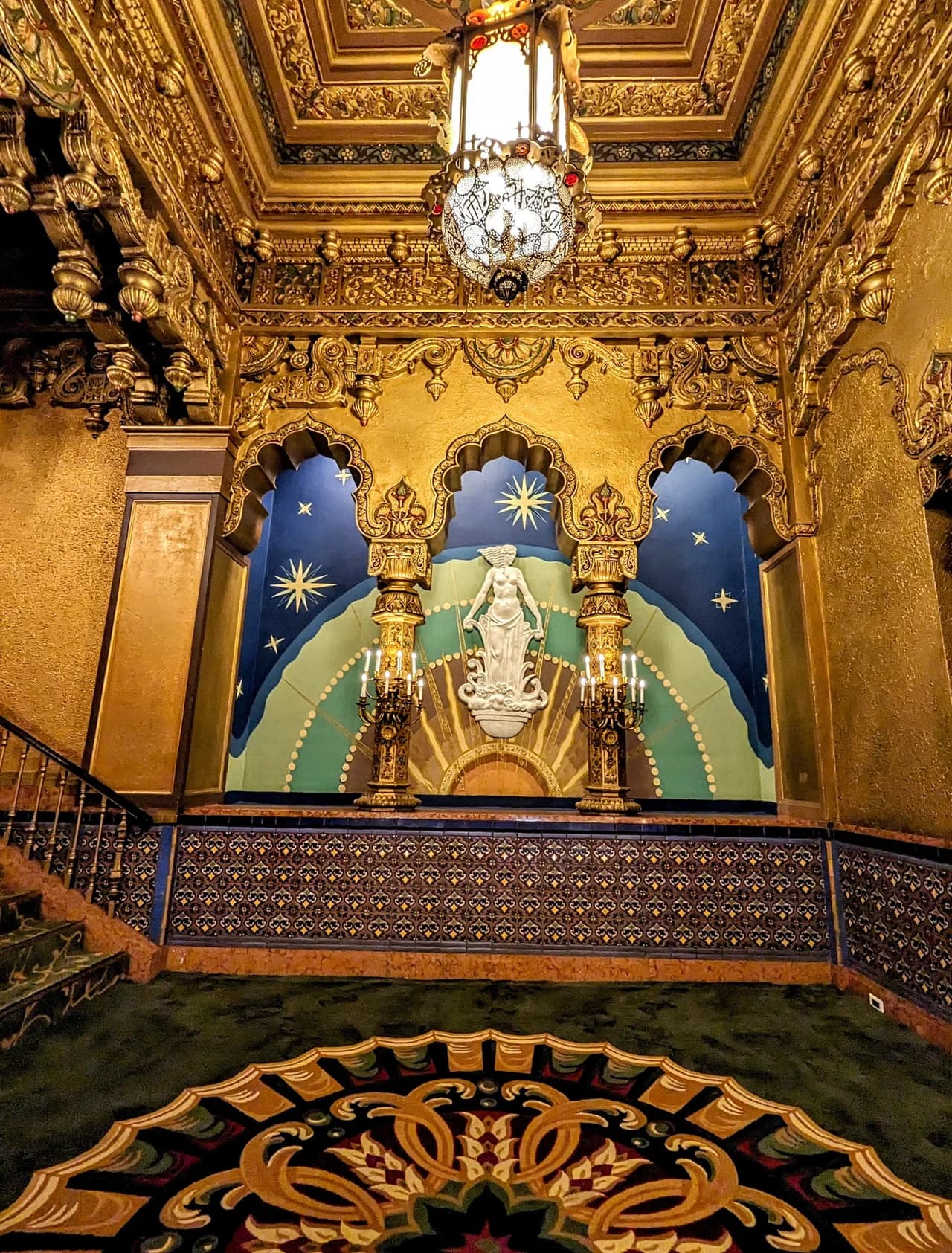
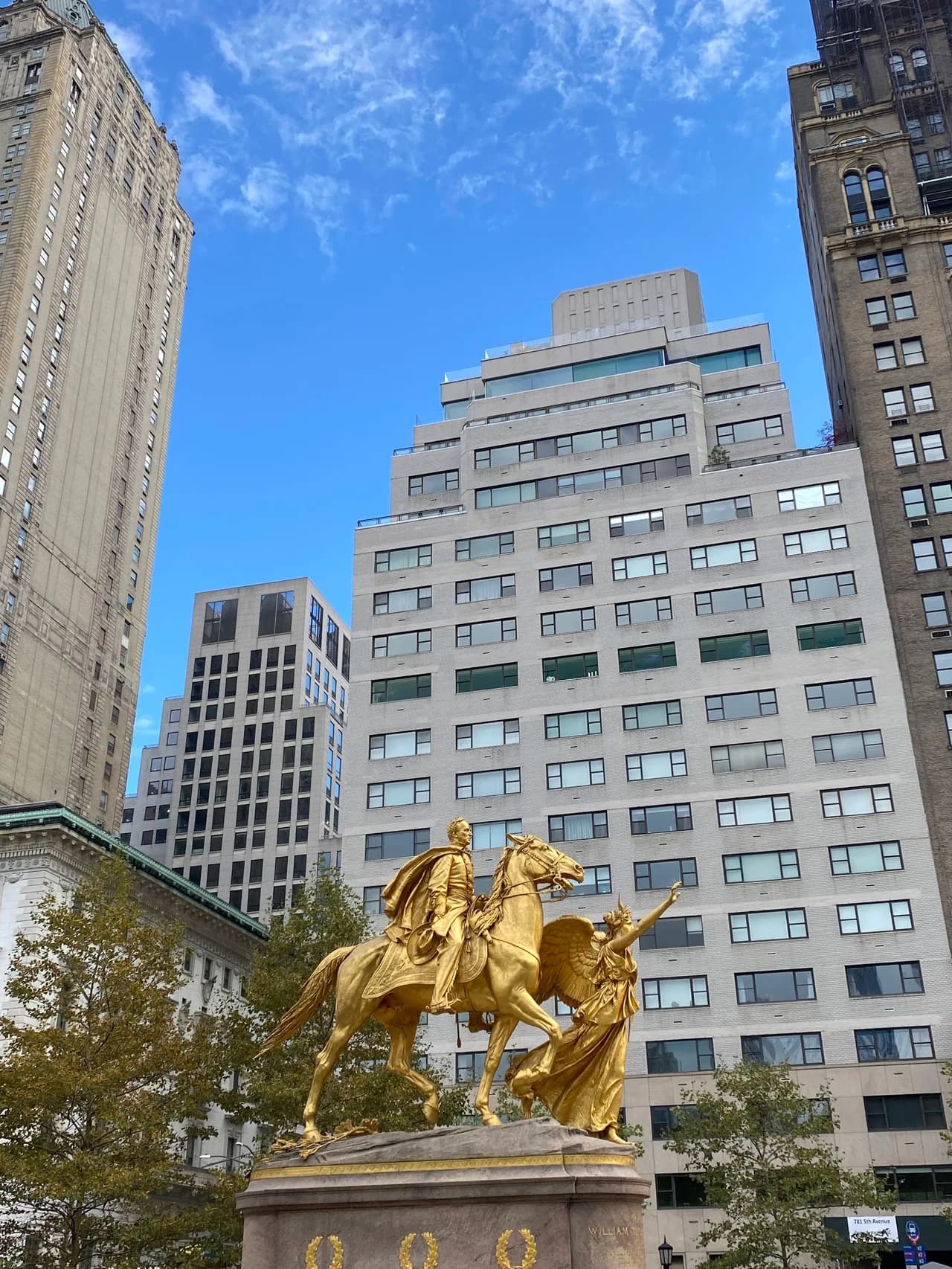
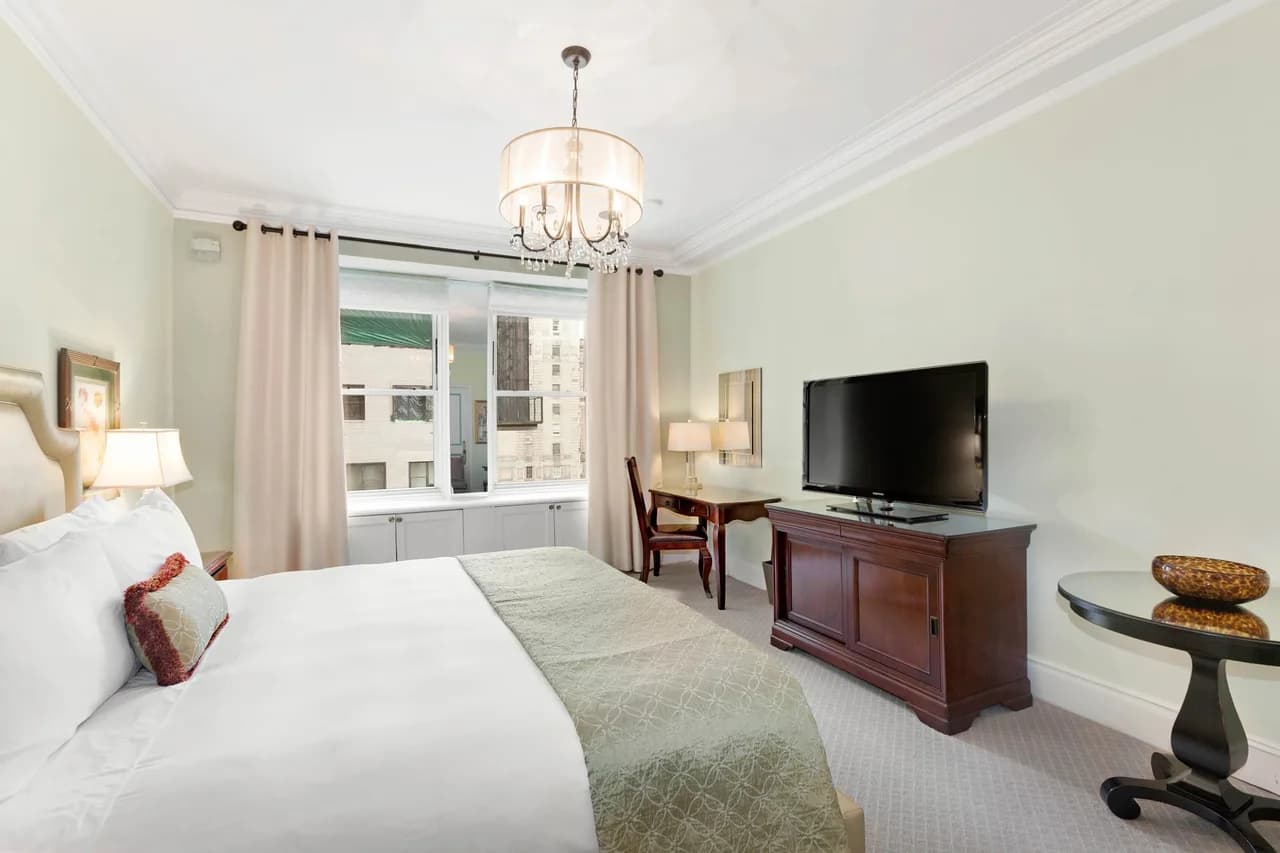
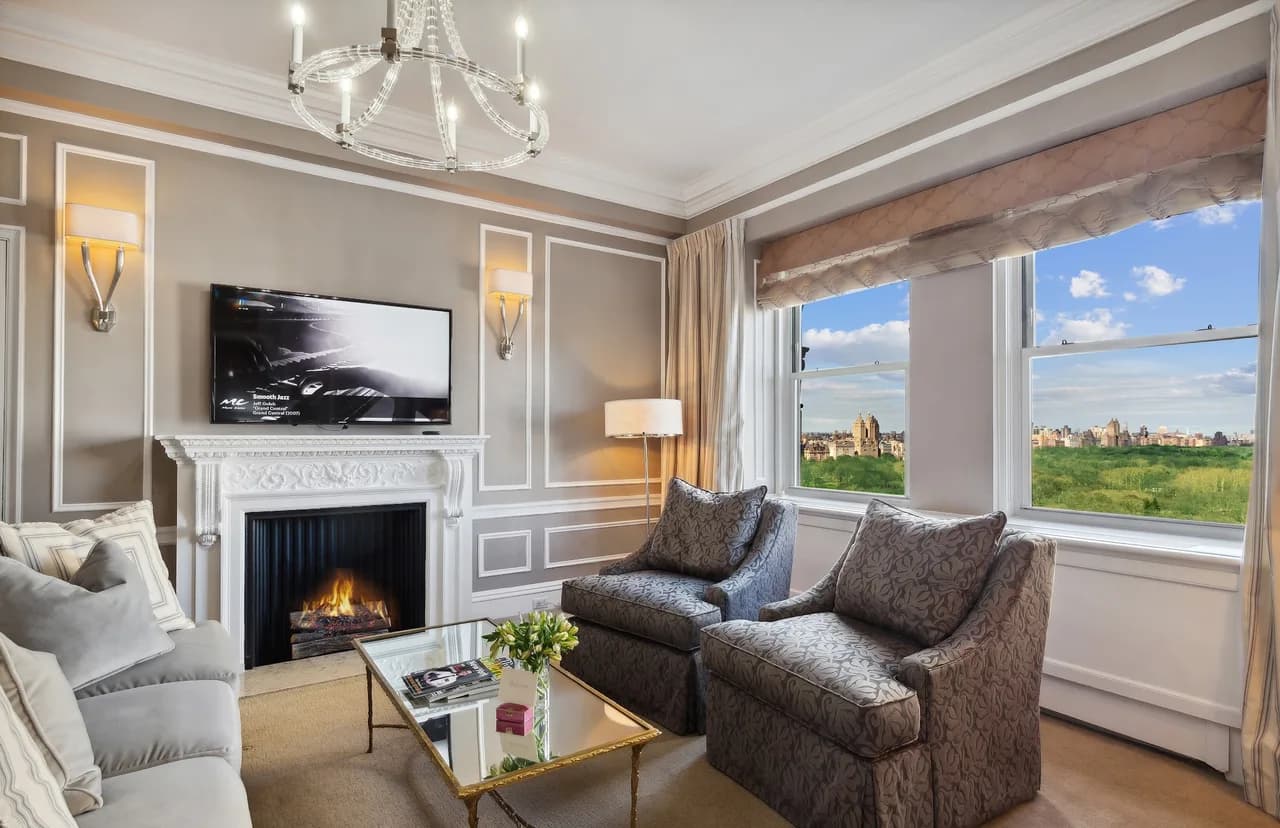
The Sherry-Netherland faces Central Park with a 1927 presence that still feels deliberately quiet. Look for the entrance frescos salvaged from the Vanderbilt mansion, then take in the traditional rooms and discreet service that define this hotel. The salvaged Vanderbilt frescos are the stop's clearest architectural tell, giving you a detail to hunt before moving north. It is open around the clock, so a weekday morning avoids the busiest lobby traffic.
🔷 Read the new layer above
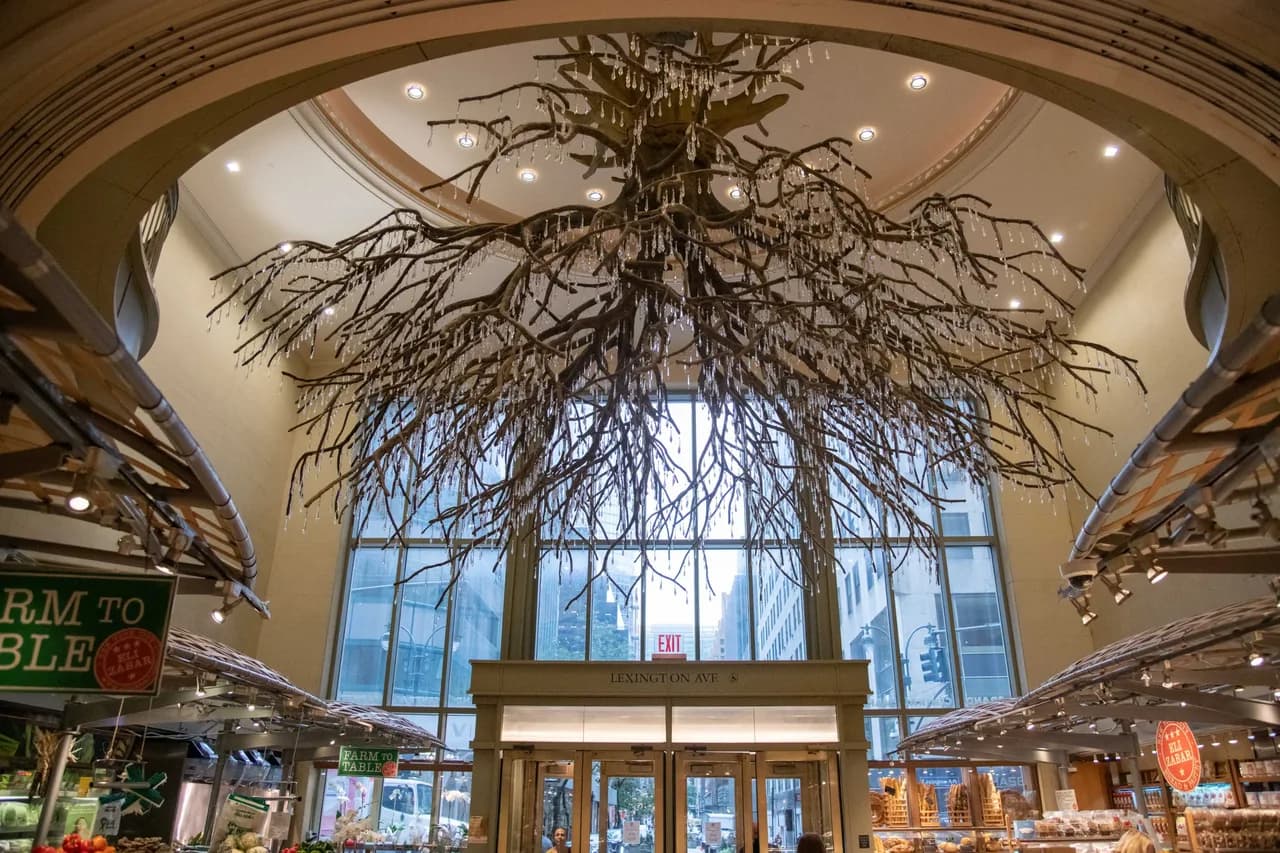
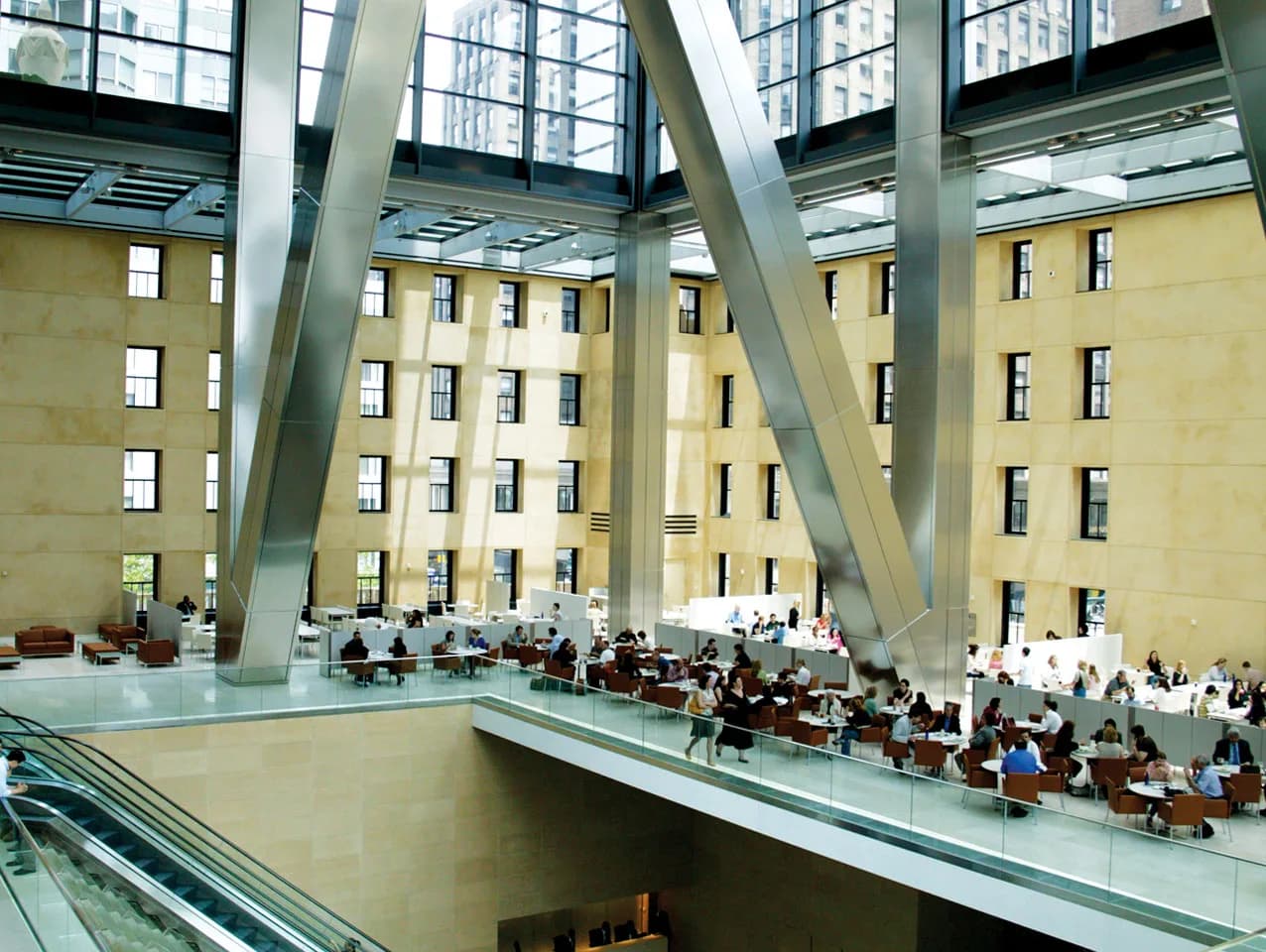
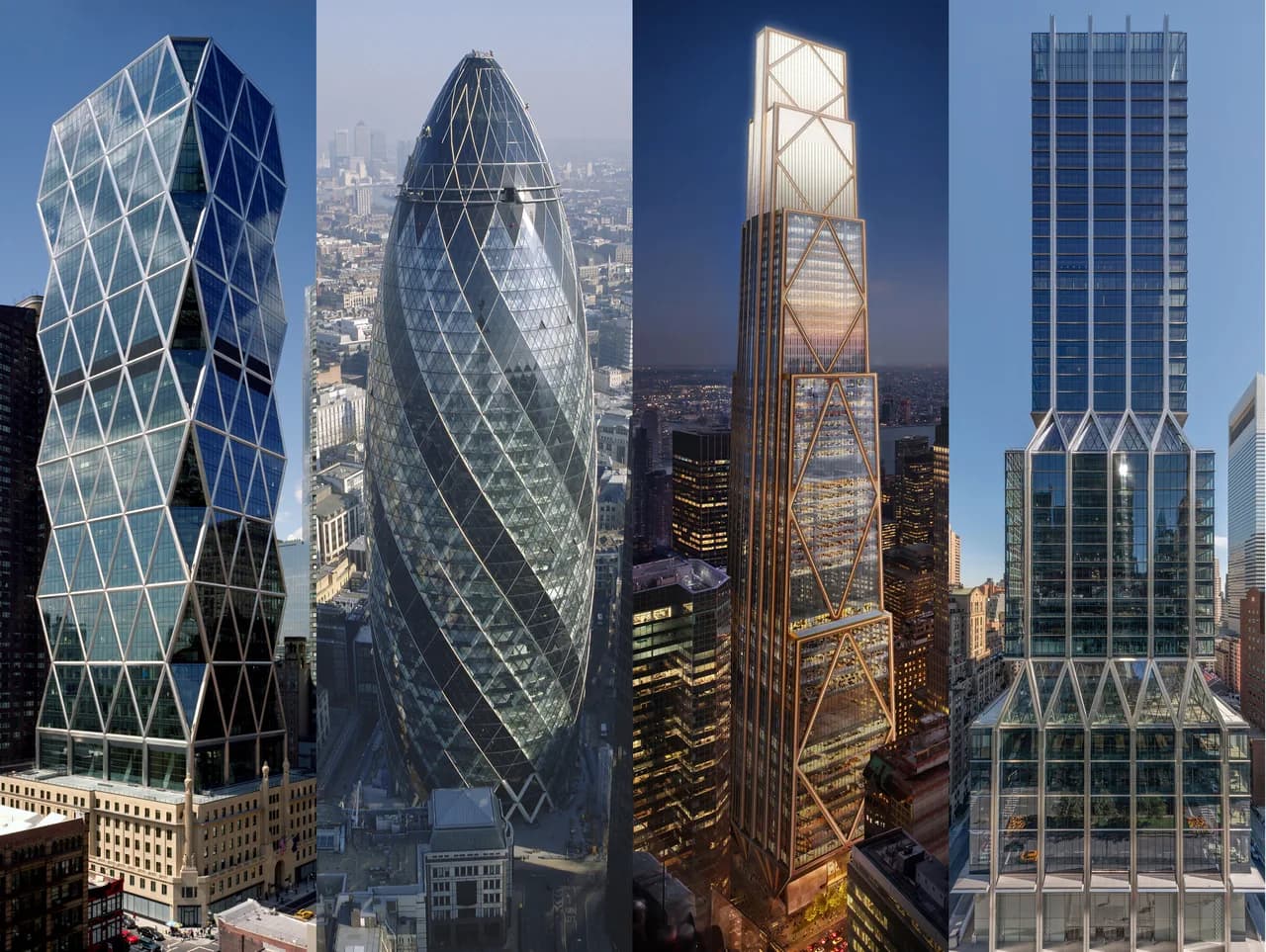
From Fifth Avenue, continue north toward Hearst Tower and watch the skyline change from carved masonry to a glass-and-steel grid. Norman Foster's 2006 addition rises from a six-story 1928 magazine building, making the contrast literal rather than abstract. The tower is Platinum LEED-certified, a practical clue that its modern language is tied to sustainable engineering. Weekdays are the reliable window because the tower is closed Saturday and Sunday.
🧭 Trace the seam between eras
This is a compact Midtown comparison, not a checklist of famous facades. Start at the Sherry-Netherland while its 24-hour lobby gives you breathing room, then head north during Hearst Tower's weekday window. The transfer is roughly a mile on foot, so budget about twenty minutes and keep the route above ground. The weekday-only access at Hearst Tower sets the schedule, while the hotel's always-open lobby makes it the dependable first stop. Bring a camera for stone, glass, and the seam where eras meet.