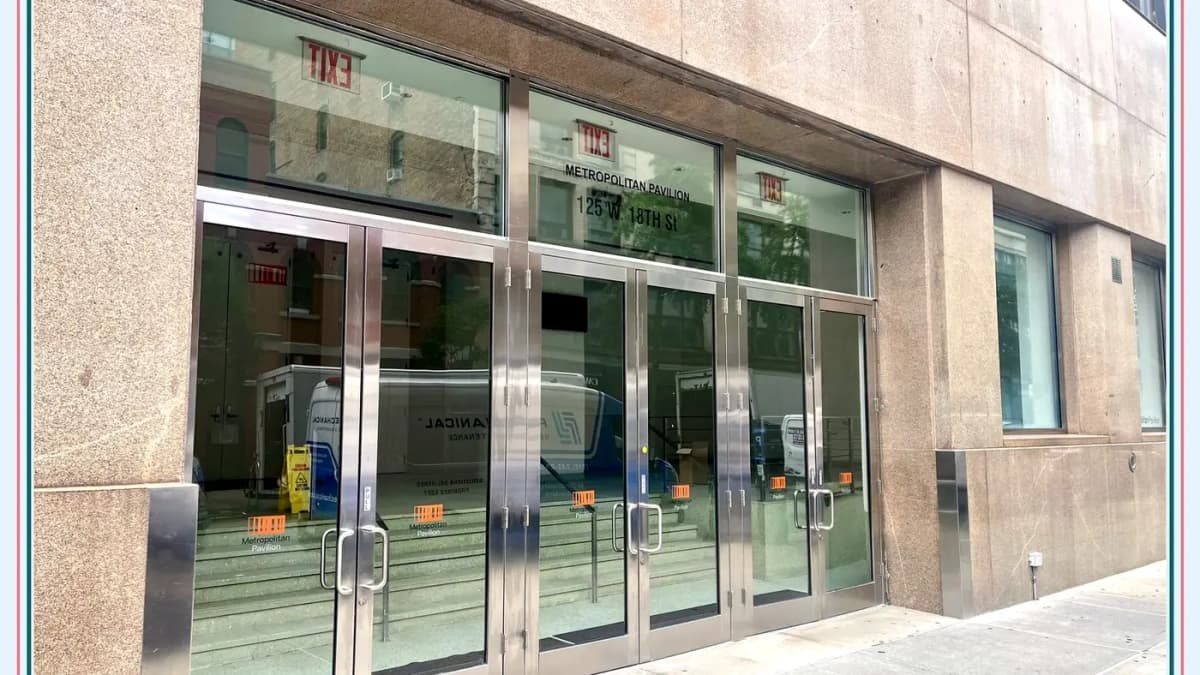
Shops / Venue
Metropolitan Pavilion: Run New York's Biggest Shopping Weekends Like a CFO
The Chelsea event hall behind Manhattan Vintage and a rotating calendar of buy-in-person shows — broken down by booth density, entry cost, carry logistics, and whether it pays to walk in empty-handed.
 Brian Sterling
One of the better retail arbitrage plays in New York costs about twenty dollars and comes with a free coat check. It is not a store. It is a door on West 18th Street that, several weekends a year, opens onto more vintage dealers, jewelry cases, and one-off inventory than any single boutique in the city could hold — and then closes again on Sunday night.
That door belongs to Metropolitan Pavilion, at 125 West 18th Street in Chelsea, between Sixth and Seventh Avenues. Before you buy a ticket to anything that happens inside it, you should understand what the building actually is, what it charges you to enter, and when the math works in your favor. Consider this your pre-purchase brief.
The Asset: What This Building Actually Is
Metropolitan Pavilion is not a shop. It carries no inventory of its own, sets no prices, and takes no markup on what you buy inside. It is an event hall — one that has spent close to three decades renting its floors to the people who do: vintage shows, jewelry and watch shows, sample sales, art fairs, and trade markets.
The scale is the first number worth locking in. The Full Pavilion, the venue's headline space, runs 25,000 square feet on the ground floor. It divides into a South Pavilion of 15,000 square feet and a North Pavilion of 10,000, and the building stacks three more rentable floors above them — The Suite at 8,500 square feet, The Level at 7,500, and The Gallery at 7,000. In its trade-show configuration, the operator lists the ground floor at 120 standard ten-by-ten booths.
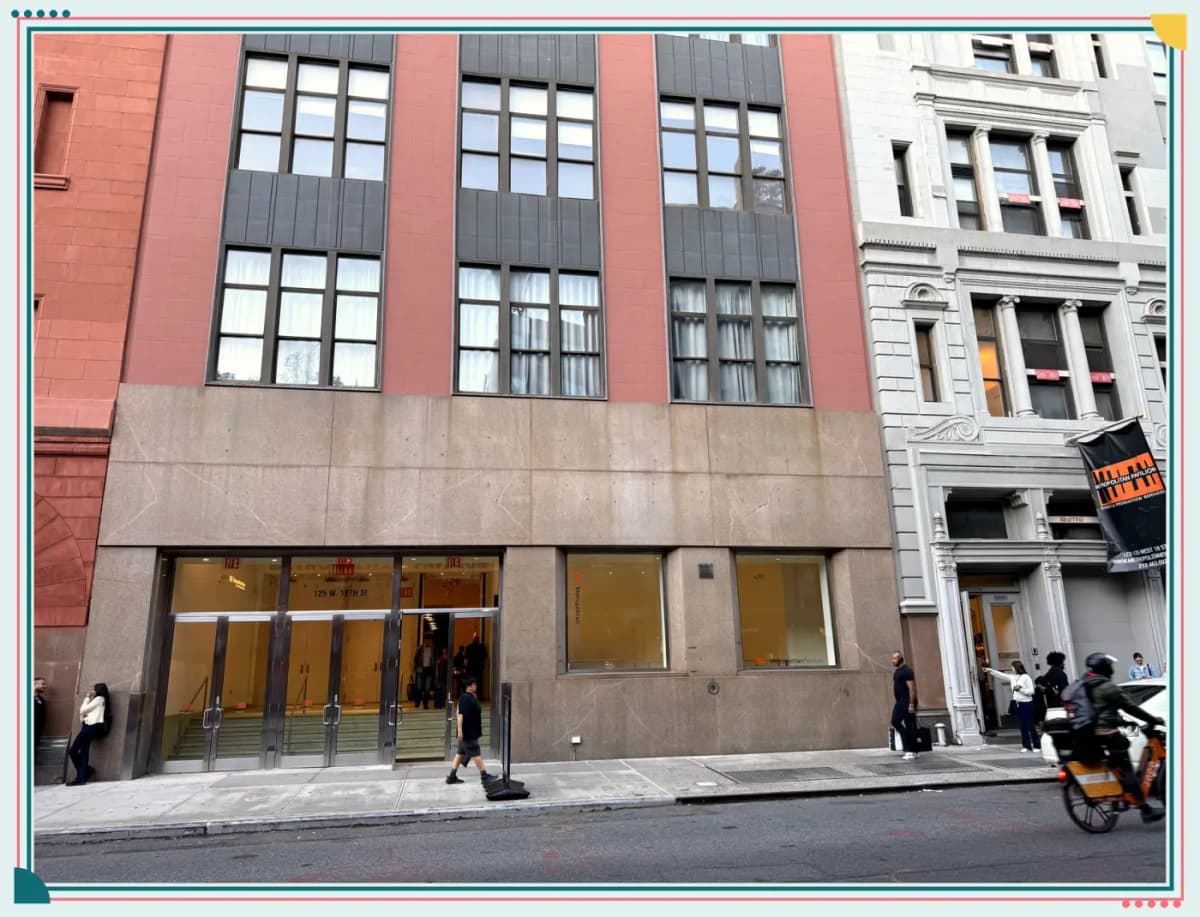
Why should a shopper care about square footage? Because booth density is the single best predictor of whether a ticketed shopping event is worth your entry fee. Do the division: 120 booths across 25,000 square feet is roughly one seller per 200 square feet, aisles included. That is department-store counter density with flea-market variety — a ratio almost no permanent retail floor in Manhattan can match. When an event tells you it has ninety-plus vendors in this building, you are being offered more distinct sellers per minute of walking than nearly any shopping street in the city.
A ticketed market is an index fund of shops. You are not paying to enter one store; you are paying for one door that averages a hundred of them.
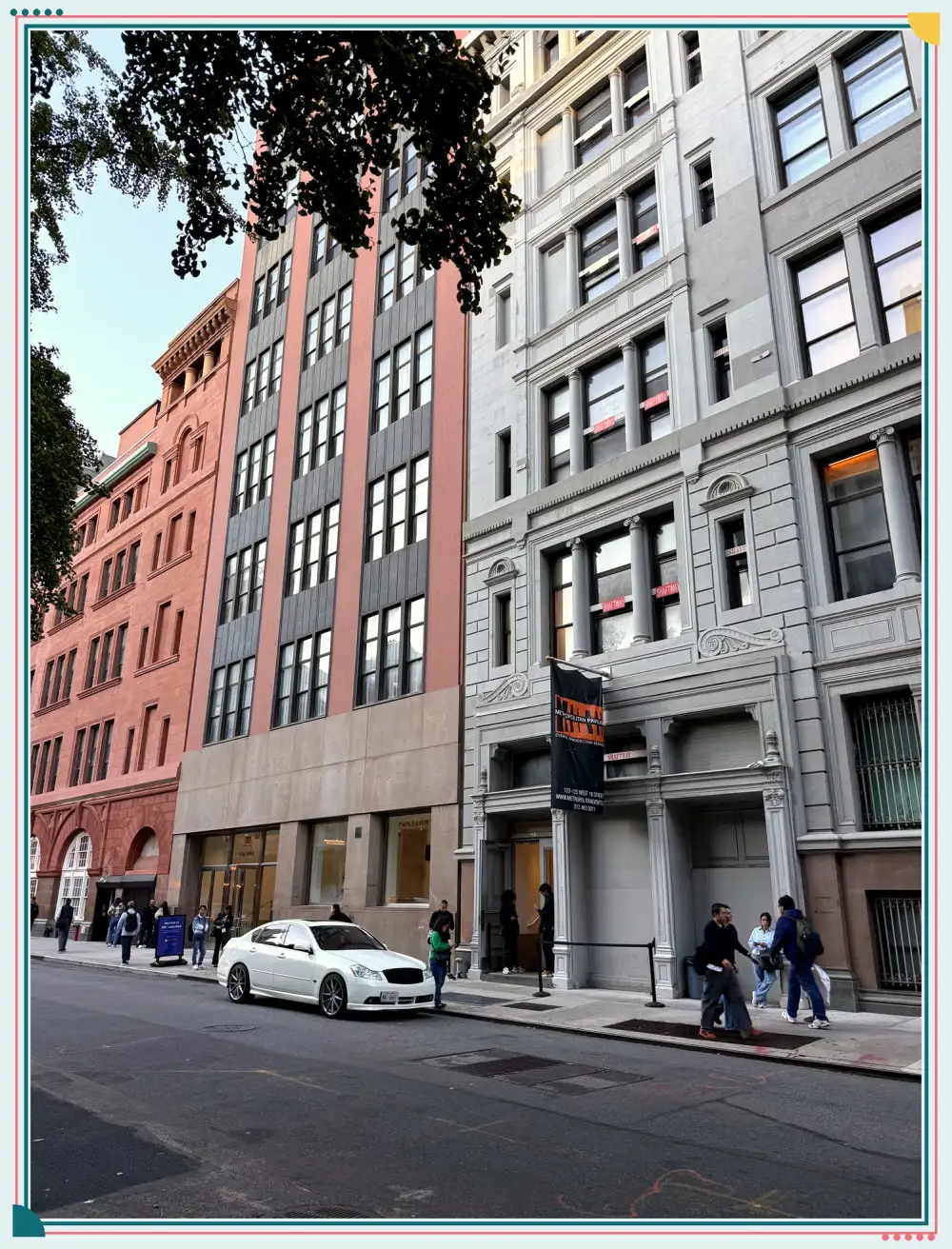
One honest note on geography, because listings sometimes blur it: Metropolitan Pavilion is in Chelsea, Manhattan — not in Queens, not in Brooklyn. If you are commuting from Queens, the trip is a one-seat ride: the F or M along Sixth Avenue drops you at 23rd Street, about a four-minute walk from the door. The 1 train's 18th Street stop is around the corner on Seventh Avenue. The building keeps entrances at 125 West 18th, 123 West 18th, and 110 West 19th, so large shows can swallow a queue quickly.
The Anchor Event: Manhattan Vintage
Every asset has a flagship product, and here it is Manhattan Vintage — the city's largest recurring vintage clothing show, which has made the Pavilion its home floor. The format: ninety-plus dealers from across the country, selling clothing, jewelry, accessories, and textiles spanning most of the twentieth century and some of the twenty-first, compressed into one weekend, several times a year.
The organizer's current calendar lists the next full New York edition for October 16–18, 2026, back on this floor. If you have never been, the honest description is a museum where everything is for sale and nothing has a duplicate. Stylists source here. Costume departments source here. So do people who simply want a trench coat that has already survived fifty winters and will survive fifty more.
The crowd is the other half of the product. Expect seasoned collectors, first-timers, and dealers shopping each other's racks before the doors open to the rest of us. Nobody checks your credentials at the door except the ticket scanner; the show's own line is that it is built for everyone from the vintage-curious to professional buyers, and the floor bears that out.
The Entry Math
Now the part I actually came here to write. Recent Manhattan Vintage editions at the Pavilion have listed a consistent fare structure, and it rewards a little arithmetic before checkout:
Read the table like a fare class chart. If there is any chance you return for a second day — and at ninety-plus booths, a full honest pass of the floor takes more than one visit — the three-day pass beats two single days by five dollars and removes the decision entirely. The preview pass is the business-class question: you are paying a $10 premium over the three-day pass for one early-access hour and re-entry rights. If you are hunting anything scarce — specific sizes, specific decades, name-label pieces — the first hour is when it sells, and the premium is cheap insurance. If you are browsing for sport, general admission is the rational seat.
Points expire. So do excuses. And so, by Saturday afternoon, does the good rack.
Two disclosures, because I always give you the fine print. First, these prices are drawn from the organizer's recent published listings; October's tickets are priced when the organizer posts them, and numbers can move. Confirm on the official page before you buy. Second, your entry fee buys access, not bargains — dealers price to a knowledgeable crowd, and the value here is selection and provenance, not clearance-bin arithmetic.
Carry Logistics: The Overlooked Line Item
Ticketed shopping has a hidden cost most first-timers ignore: what you are holding. The Pavilion's flagship show handles this better than most retail does.
Check the coat, free the hands
Recent editions have offered a complimentary coat check. Use it. A shopping floor rewards free hands the way an airport rewards carry-on discipline — every bag you hold is a rack you will not flip through properly.
The on-site tailor changes the buy decision
Manhattan Vintage has been running an on-site tailor at recent shows. This is a genuine decision-changer: a vintage piece that almost fits is usually a pass in a normal store, because alteration is a separate errand with a separate cost. Here, the fitting question can be answered before you leave the building. Factor a tailoring line into your budget and the universe of viable purchases widens noticeably.
Cash flow and refueling
Food and drink are sold on site at the big shows, which matters only because it keeps you on the floor through the mid-afternoon slump — when other buyers leave and negotiating room quietly improves.
Should You Walk In Empty-Handed?
Here is the four-line audit I run on any ticketed shopping event, applied to this one.
Booth density: Elite. One seller per roughly 200 square feet at full configuration. You will not out-walk the inventory in one lap. Verdict: the entry fee is justified by density alone.
Entry cost: Low and structured. Between $15 and $45 depending on ambition, with the multi-day pass as the quiet best value. Verdict: cheaper than a single mid-range dinner in the same zip code.
Carry convenience: Strong. Free coat check, tailor on site, multiple street entrances, subway within a block or four minutes depending on your line. Verdict: bring a tote, check your coat, keep hands free.
Empty-handed viability: High — and this is the test that matters most. You do not need a shopping list to clear value here. The people-watching is legitimately part of the ticket, the floor functions as a wearable-history museum, and walking out with nothing costs you only the pass price. But set a trigger budget before you enter. Unique inventory does not offer a second chance, and "I'll think about it" is how the one-of-one gets bought by somebody more decisive.
First class is a spreadsheet away. So is the coat you will still be wearing in 2040. Both start with knowing your number before you sit down.
The Block Is Part of the Trade
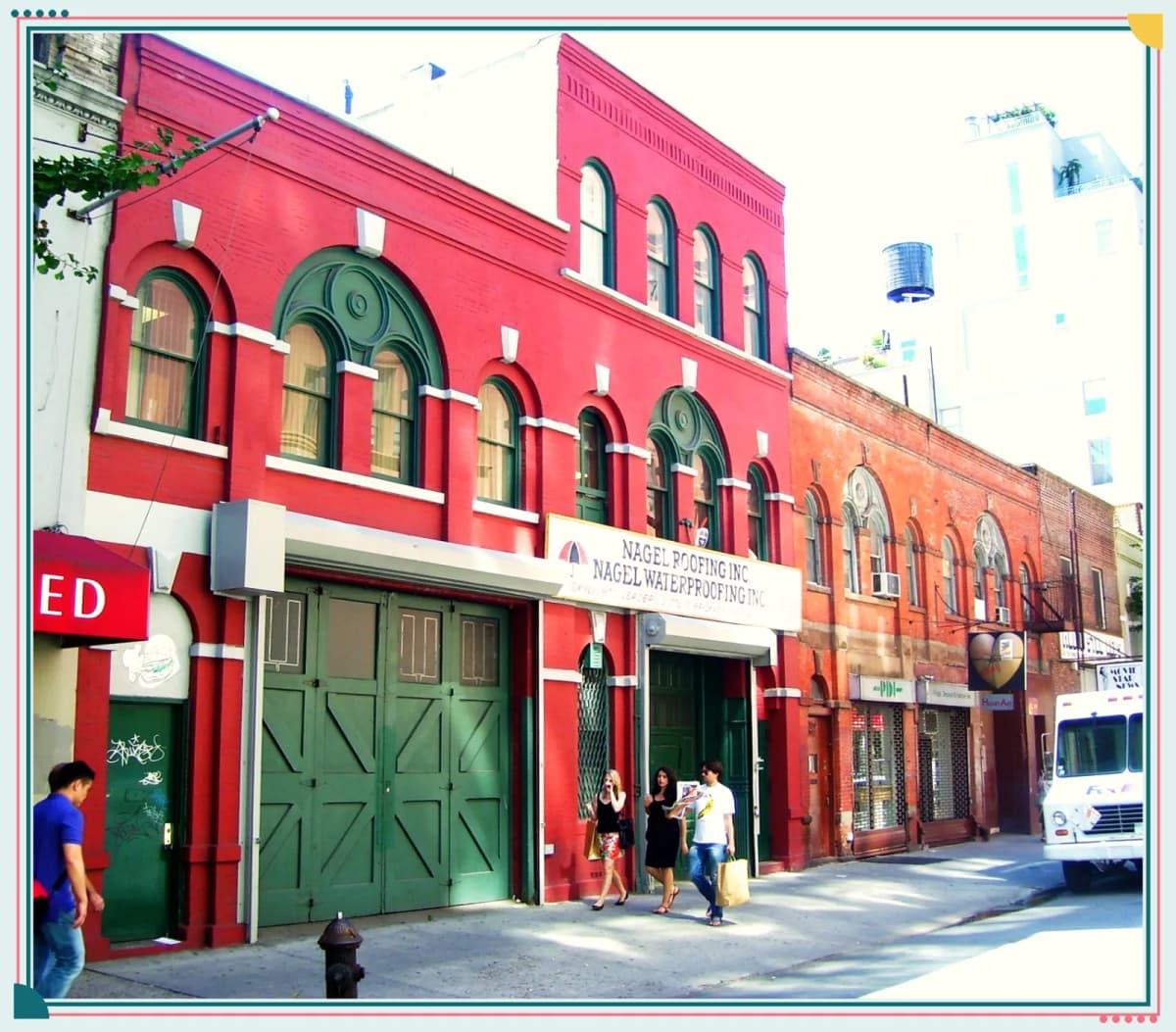
One last reason to arrive early and leave slowly: the block itself. Directly across the street stand the red-brick former stables at 126–134 West 18th Street, built in 1864–65, back when this stretch of Chelsea moved goods by horse. The neighborhood has been a commerce district in one form or another for a century and a half; the Pavilion is simply its current clearinghouse. Budget ten unhurried minutes for the walk between the subway and the door. It is the only free part of the day, and it compounds.
Action Checklist
• Confirm the event calendar on the venue's and organizer's official pages before committing a weekend; the Pavilion's lineup rotates constantly.
• For Manhattan Vintage's October 16–18 return: buy the three-day pass if there is any chance of a second visit; buy the preview pass only if you are hunting something scarce.
• Set a hard budget and a trigger rule ("if it fits, is under X, and I hesitated less than a minute — buy") before entering.
• Wear a simple base layer that is easy to try things over, and shoes rated for 25,000 square feet of concrete.
• Check your coat, carry a flat tote, and photograph booth numbers of maybe-purchases for your second lap.
• Price the tailor into any almost-fits purchase before you walk away from it.
• Coming from Queens: F or M to 23rd Street–Sixth Avenue, one-seat, then a four-minute walk.
Save this one. The door on West 18th Street opens again in October, and the math will be waiting.
Metropolitan Pavilion, 125 West 18th St, New York, NY 10011(Chelsea, Manhattan)