How Washington Does an Easy Week with Theatre and Play
I would plan this Washington theatre-and-play week around one room at a time, not seven compulsory outings. Compare seats, crowd trade-offs and your children's interests before choosing a production, then mix in museum play and a compact film stop. Weekdays are editorial labels, not opening promises. Check admission, content and re-entry directly; these are shared outings, not childcare. The dance alternative lists classes for ages 6–15, older teens and adults.
🎭 Monday Opens the Room
The room matters more than the prestige when everyone needs a workable first outing. At the Kennedy Center, Millennium Stage has ample seating, with staff in the halls helping visitors navigate the complex; that makes a seat before another stop my starting point. Check the selected performance's admission guidance and parking arrangements before leaving, rather than assuming every production suits children.

🧩 Tuesday Trades Seats for Play
Let Tuesday be the hands-on change of gear, not a promise of parental downtime. The National Children's Museum combines the Dream Machine's climbing structure with Weather Worlds and Engineering Games + Play, so one area before another gives the visit a focus without adding another address. Decide which exhibit to start with before arriving, and stay involved with your children rather than treating the museum as childcare.

🏛️ Wednesday Goes Behind the Story
Ford's Theatre earns its place through a choice of formats, not a promise to entertain every child. The historic site combines an intimate performance space with an interactive museum about Lincoln's presidency and assassination. Keep the subject before the spectacle in your planning: discuss that history with your children first, then check whether a museum visit or the selected production is the better fit.

🎬 Thursday Watches the Stagecraft
Keep Thursday smaller in scale, not automatically shorter in runtime. Gonda Theatre is a 250-seat space inside Georgetown's Davis Performing Arts Center, presenting student and faculty productions, dance and film screenings; its technical stagecraft gives one stage plenty to notice without a second destination. Ask about the particular show's content, runtime and exit arrangements before choosing it for your family.

✨ Friday Takes the Grand View
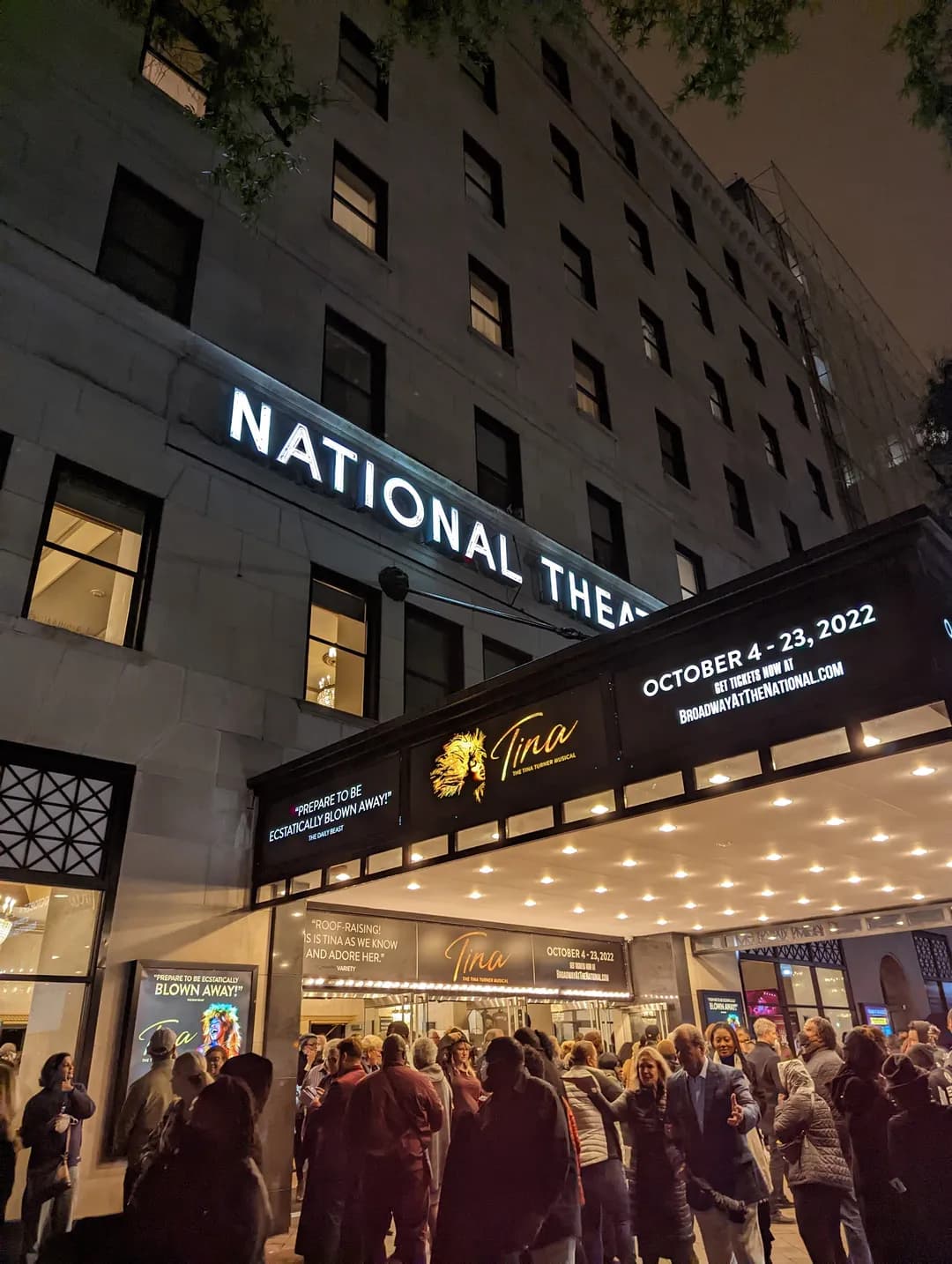
Save the grand room for a day when queues will not unravel the outing. The National Theatre offers clear sightlines and chandelier-and-balcony atmosphere, but intermissions and exits can become crowded. I would put the exit plan before the encore and ask the venue about seat access and re-entry before buying; do not mistake a handsome auditorium for effortless logistics.
🧥 Saturday Packs a Layer
Comfort wins Saturday, provided you prepare for the temperature. Cramton Auditorium pairs fresh seating with clear sound and good lighting, while visitor feedback specifically notes a cold interior. Make an extra layer part of the ticket plan, then check the chosen production's content and admission conditions; the room's appeal is its seating, not any verified promise of quiet programming.

⚓ Sunday Finishes with a Film
End with something compact rather than another big-house production. The Navy Memorial's heritage center gathers model ships and naval-history exhibits around a small theater showing historical films, so one film or one display can be your editorial stopping point. Ask which films are available and how entry works before setting out, and decide together whether their historical subject matter suits your children.