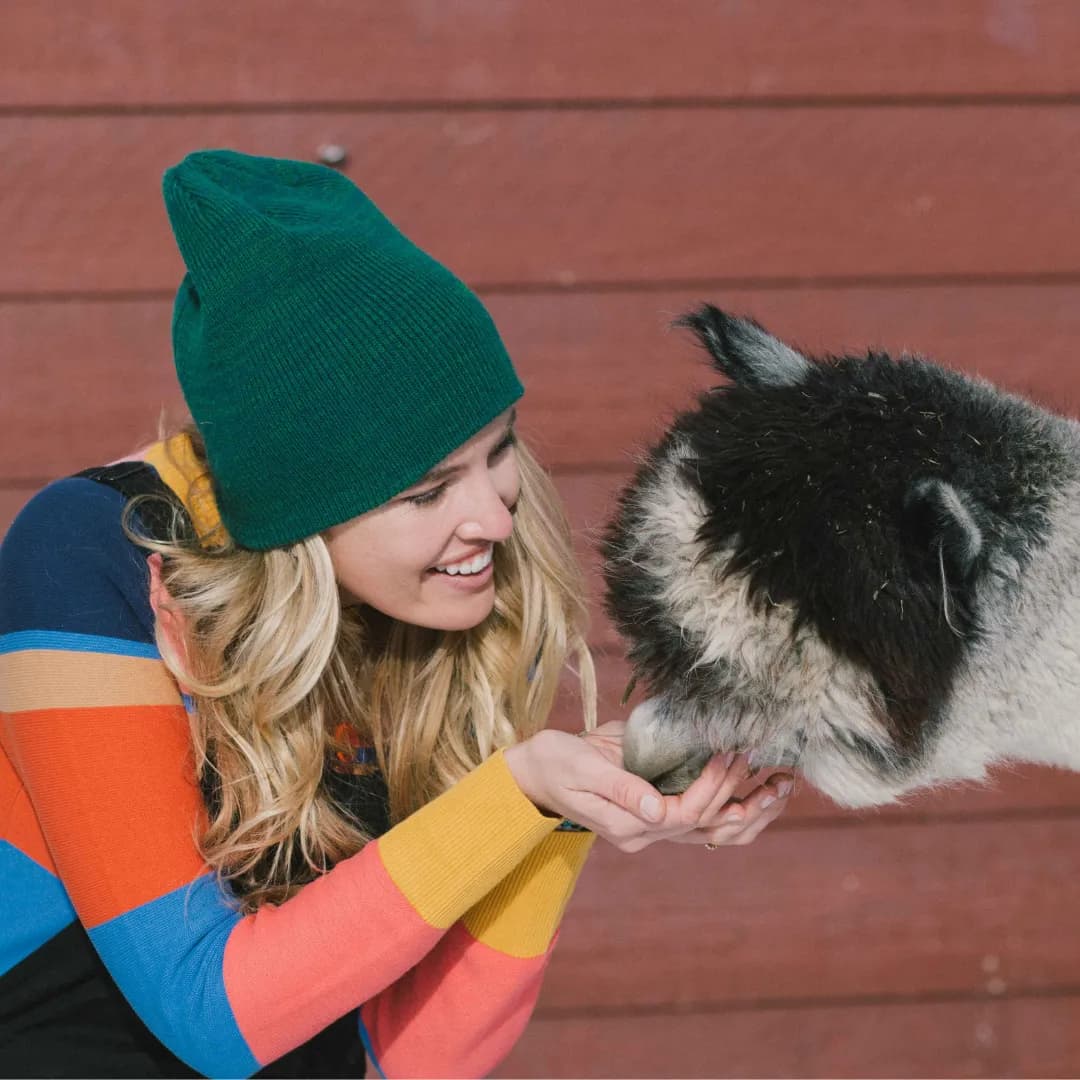

Hand-Feed Bozeman's Alpacas, Then Meet the Llamas Who Guard Them
Alpacas of Montana sells yarn, socks and blankets for a living. The tour is a walk through the farm that produces them: you feed the herd from an open hand, learn how a halter goes on, and meet the guard dogs and guard llamas that watch the pasture. It runs almost every day of the year.
Alpacas of Montana runs on fiber. The farm shears its own herd and sells the fleece as yarn, socks, blankets and base layers, and the tour walks you through that operation while it is working.
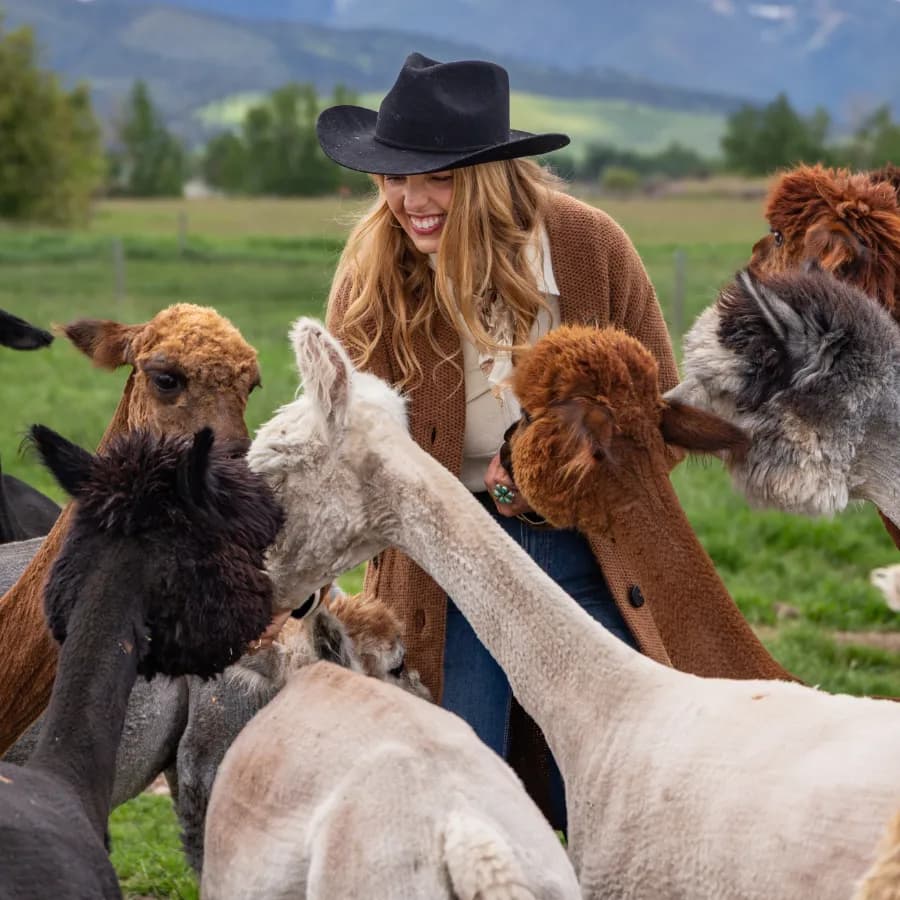
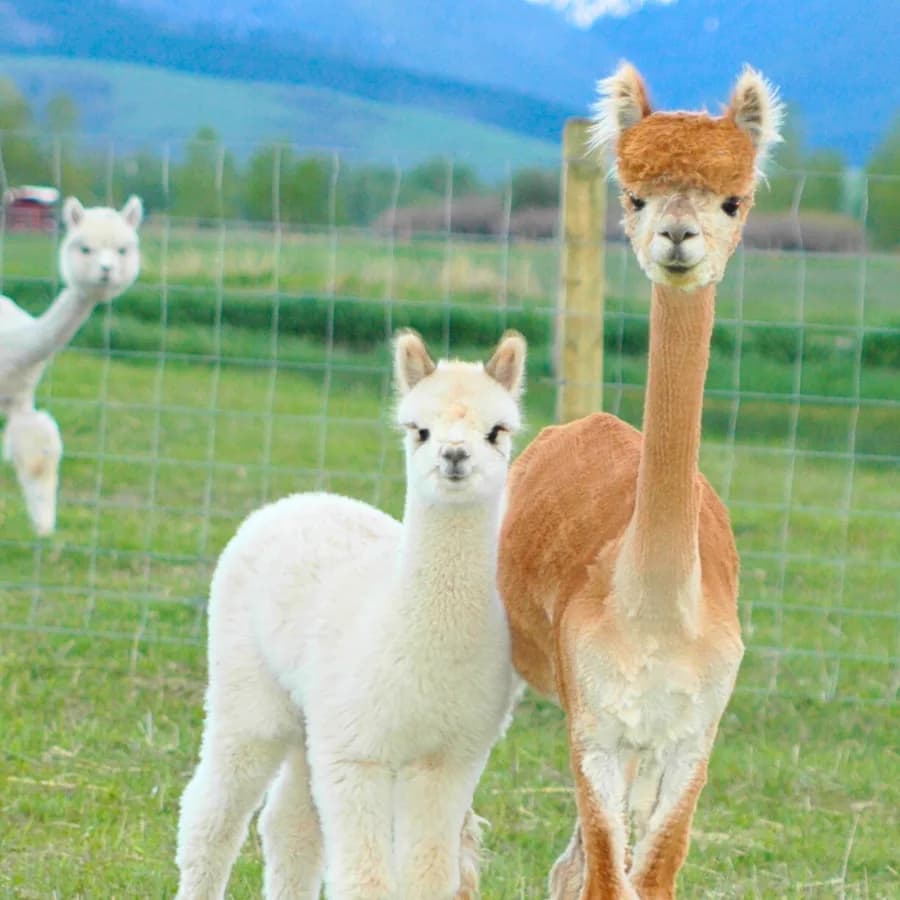
That changes what you see. Crias are born in the summer months, and the farm says a tour can run long when one arrives. Guests who need to leave at a set time are free to go if that happens. It happens often enough that visitors write about it: Janelle Crowley described watching a cria born during her tour in August 2025, with James, the owner, talking the group through it as it went. Breeding happens in the open too. The farm asks visitors to watch their step and treats both as part of the visit.
Tickets are USD 45 a person. The farm is on South Cottonwood Road, a few minutes out of downtown Bozeman by the operator's own description, and one booking takes up to four tickets.
 Alpaca and Llama Farm Tour90 to 120 minutes on a working alpaca and llama farm outside Bozeman. Hands-on with the herd, guided in English, with a keychain or sticker to take home.www.viator.com
Feeding, Haltering, and Walking the Herd
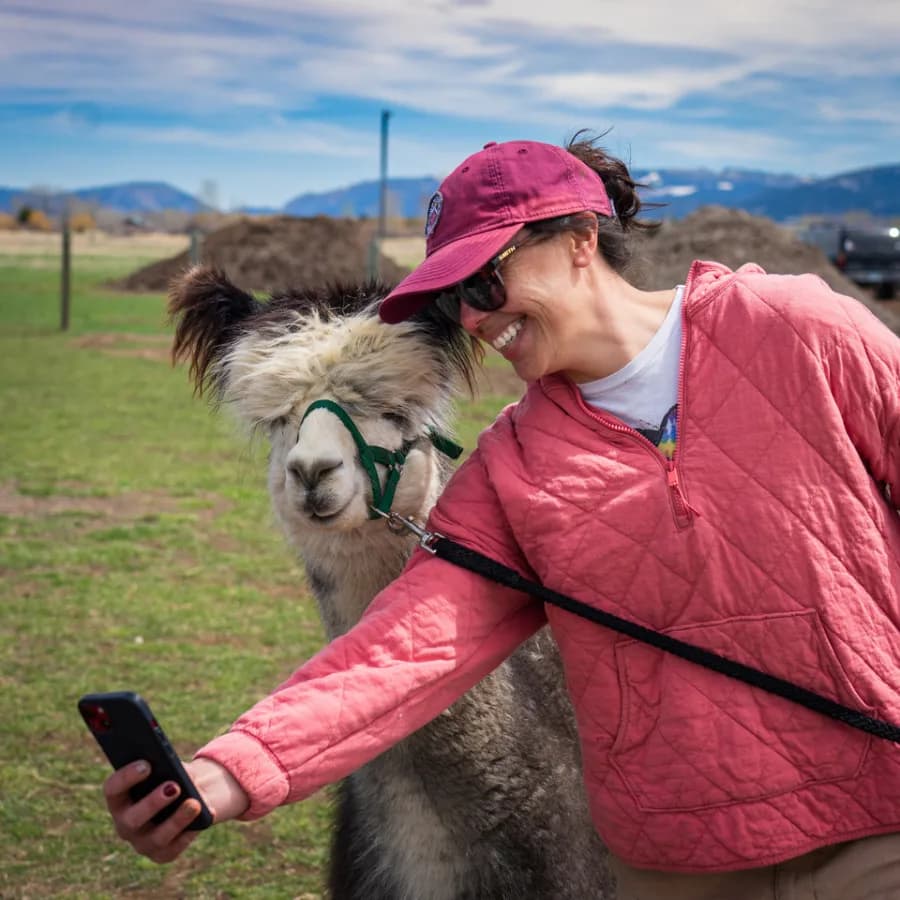
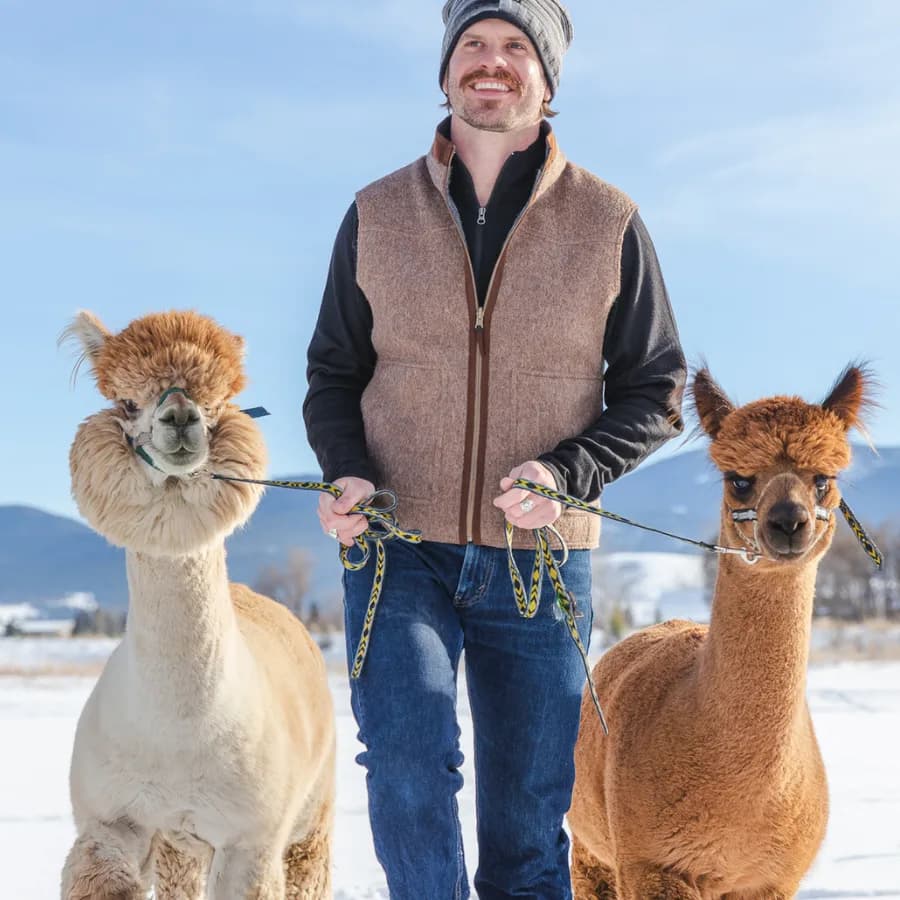
The operator's own page lists four things you get a chance to do: feed, walk, hold, and learn how a halter goes on. Feeding is the one that turns up in every description of the tour. The listing says you feed treats, and that the chickens take them too, along with the horses when they are out for the season.
The platform listing adds baths on warm days. It also names the rest of the cast you may run into on the walk: ground squirrels, deer, bald eagles, and Jill, the farm cat, who it says makes occasional appearances.
Guides work in English. The farm puts a tour at roughly an hour and a half to two hours and says it stretches when a group asks a lot of questions.
Why There Are Llamas Among the Alpacas
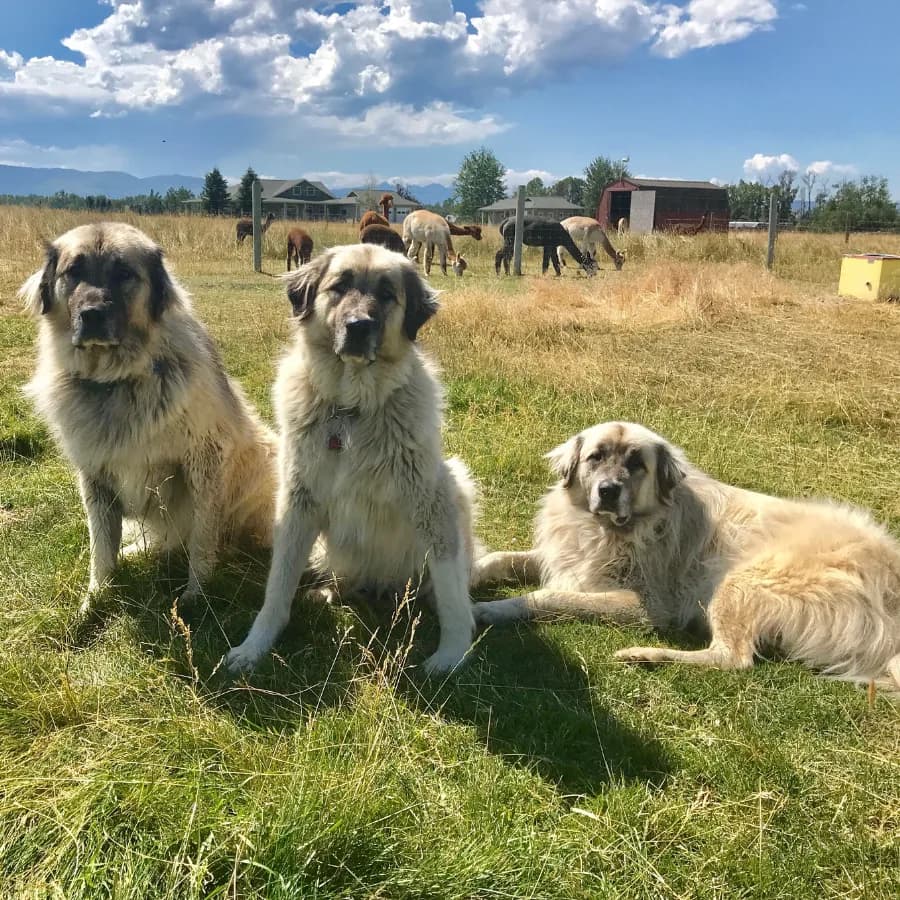
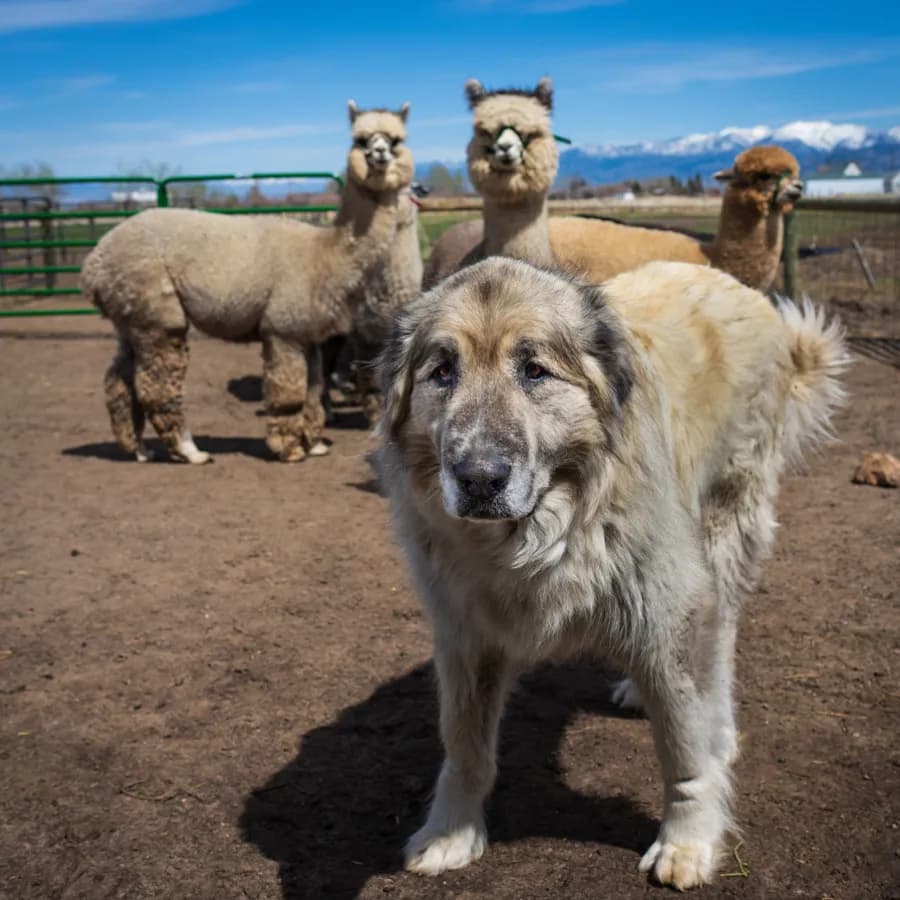
The farm keeps Anatolian shepherds as livestock guardians and gives them job titles. Chili runs the team. The farm credits him with fending off three mountain lions and a number of bear encounters, and says he takes a few days off a year during thunderstorms, which he spends upside down on the stairs inside the house. Marley, the newest dog, is the one it says sleeps beside the crias.
The llamas are the second layer. The farm describes the system this way: the alpacas raise the alarm, the dogs signal, and the head llama moves the other llamas into position between the dogs and the alpacas. His name is Homeboy.
That arrangement is also a working answer to the question the tour spends time on, which is what a llama is actually for and how it differs from an alpaca.
Who It Fits, and How Big the Group Gets
Children five and under go free. From age six the full adult rate applies: the ticket bands run zero to five at no charge and six to ninety-nine at USD 45, with nothing in between.
The farm asks that children be supervised throughout and recommends at least one adult for every two children. Animals are loose in the pasture and it is a working operation.
The four-ticket cap is the easiest thing to misread. It limits a single booking, and several bookings go out together. The operator says plainly in the listing that this is not a private tour, and that one tour can run to thirty or more people.
One more thing about the shape of the two hours, if you are bringing someone small. The farm says a tour runs an hour and a half to two hours and stretches when a group asks a lot of questions, and visitors put the hands-on part at the back of that window rather than the front. Casey Cash wrote in July 2026 that the introduction and the safety rules took close to thirty minutes before the group reached the llamas, and that two hours was much too long for little ones; she is local, goes often, and still asked the farm for a shorter children's version. Older children and adults are the easy case here.
What to Wear, and What the Farm Lends You
The whole tour is outdoors and the farm is blunt about Montana weather. It lends rain ponchos and farm boots in sizes from women's six to men's thirteen, first come, first served. The boots are the part visitors single out: Jennifer P wrote in March 2025 that the pastures were muddy and there was a wide selection to borrow, and LV wrote in June 2026 that the boots and ponchos were right for the weather on a cold, rainy summer day. Layers, sunscreen, sunglasses and a hat are what it recommends on cold bright days.
Two things to settle before you arrive:
- There is no public restroom on the property. The farm asks visitors to go before they come.
- Wear closed-toed shoes you do not mind getting dirty.
Access deserves a straight answer, because the listing gives two. It ticks the standard boxes for all fitness levels and for prams and strollers. The operator's own note further down the same listing is more careful: the ground is gravel, rock and dirt track, wheelchairs and strollers are welcome but can be hard to push, all-terrain wheels help, and the farm asks to be told in advance so it can plan around you.
Everyone reviews a liability waiver and media release before visiting. It covers the risks of being around livestock, and it grants the farm the right to use photographs and video of you on its site and in promotional material, without payment.
Booking is instant and the cut-off is the start time itself, so a same-day decision still works. Tours run every day of the year except three: Thanksgiving, Christmas Day and New Year's Day. From November through February there is a single tour a day, at 11:30 in the morning; by midsummer there are four, running from ten until half past two.
Winter is the quiet version. The herd is in full fleece, the pasture is white, one group comes through at 11:30, and the dogs are usually lying in it somewhere. You leave with a keychain or a sticker and whatever the alpacas left on your sleeve.