Go Inside Oklahoma City's Historic Skyscrapers on This Downtown Walk
A guided downtown loop that spends its time inside lobbies and out on memorial grounds, not only on the sidewalk.
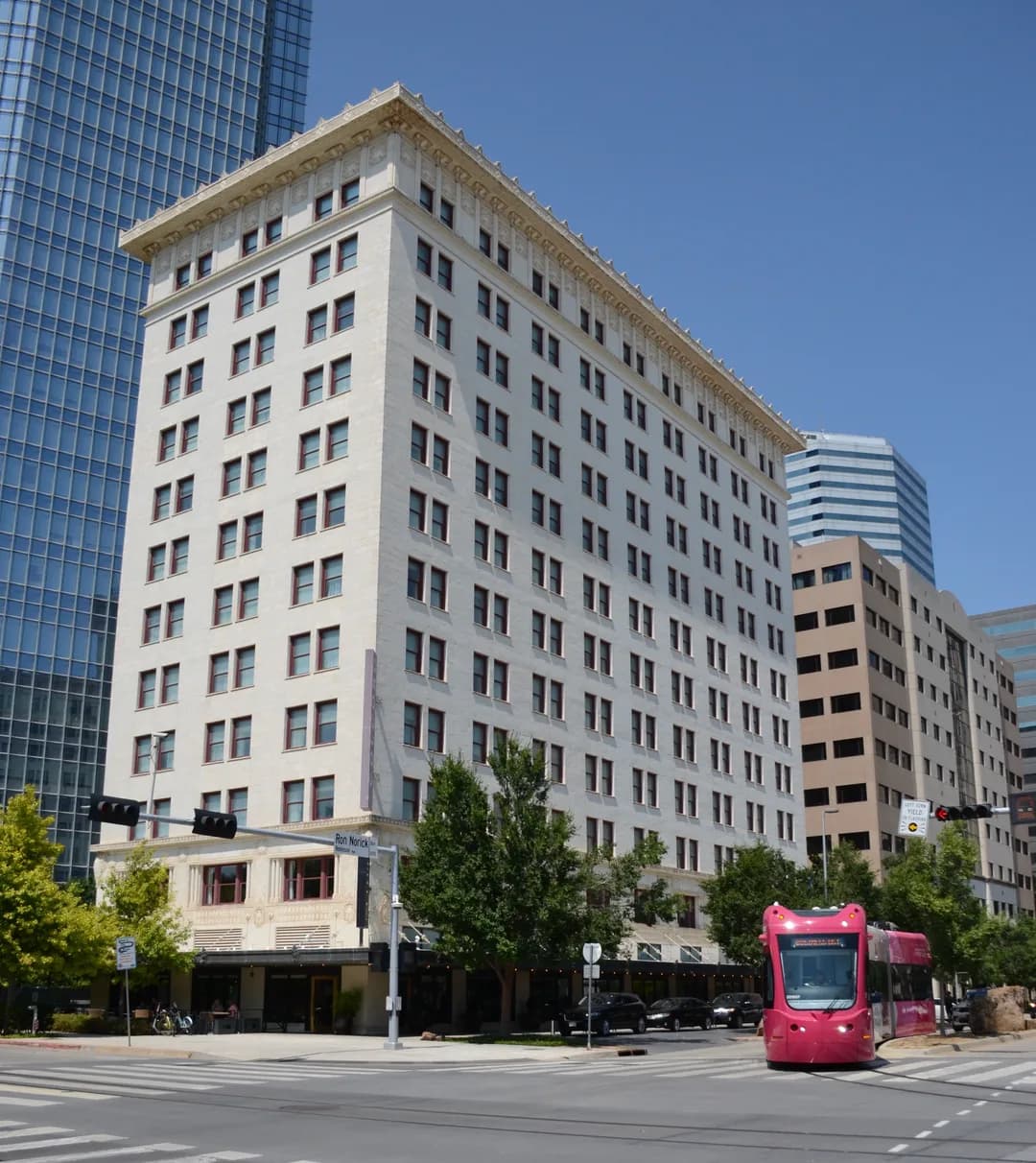
A downtown walk can stay on the pavement, pointing upward. This one takes the doors. The guide gathers the group inside the Colcord Hotel lobby, and the route works through the interiors downtown Oklahoma City is actually built from: a 1910 tower that went up as the city's first skyscraper and runs as a hotel today, a 1911 hotel still carrying detail from its opening year, and a 1931 banking hall that now serves as a public lobby.
The loop covers about a mile and a half, and most of it is outdoors between stops. Vintage photographs get passed around along the way, setting the block in front of you against the same block a century ago.
The route is a loop, and the finish sits two blocks north of the start on the same street. Twenty minutes of it belong to the outdoor memorial grounds, which the guide handles as its own passage rather than another photo stop. One booking takes up to twenty travelers, and confirmation comes through the moment you book.
 OKC Downtown Highlights with Memorial GroundsTwo hours on foot through downtown Oklahoma City with a guide, covering historic building interiors and twenty minutes on the outdoor memorial grounds. Rated 4.8 across twenty traveler reviews.www.viator.com
Two Lobbies Built on Oil Money
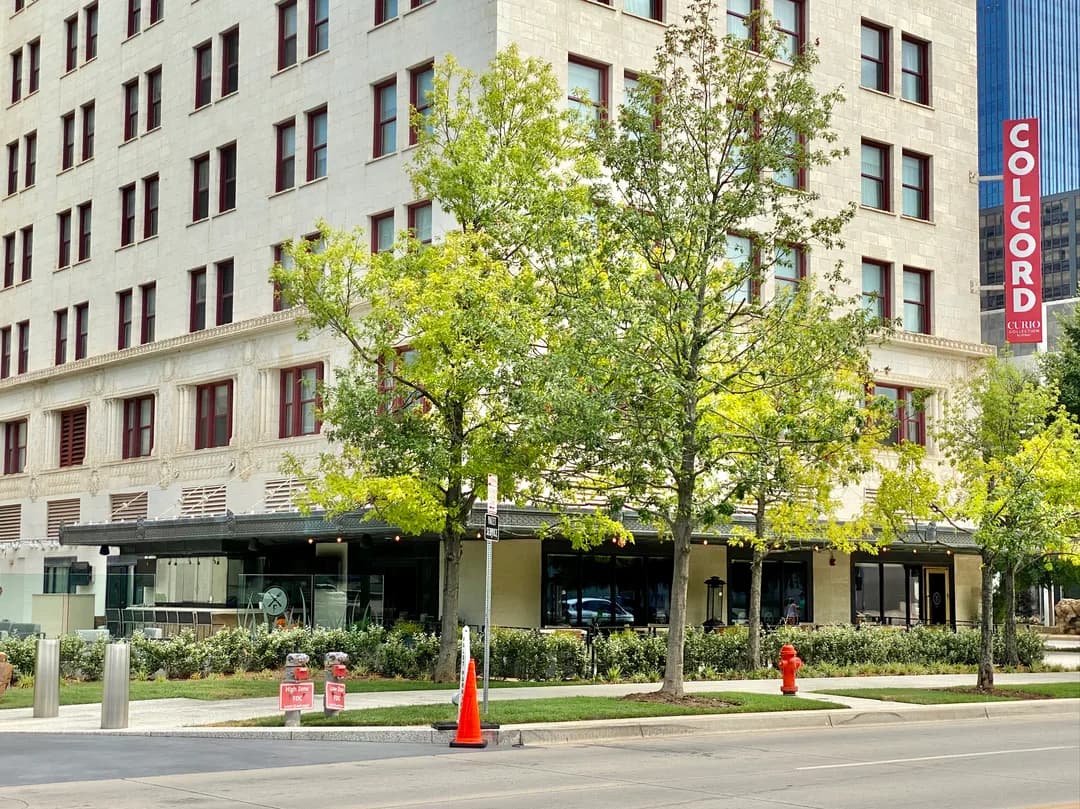
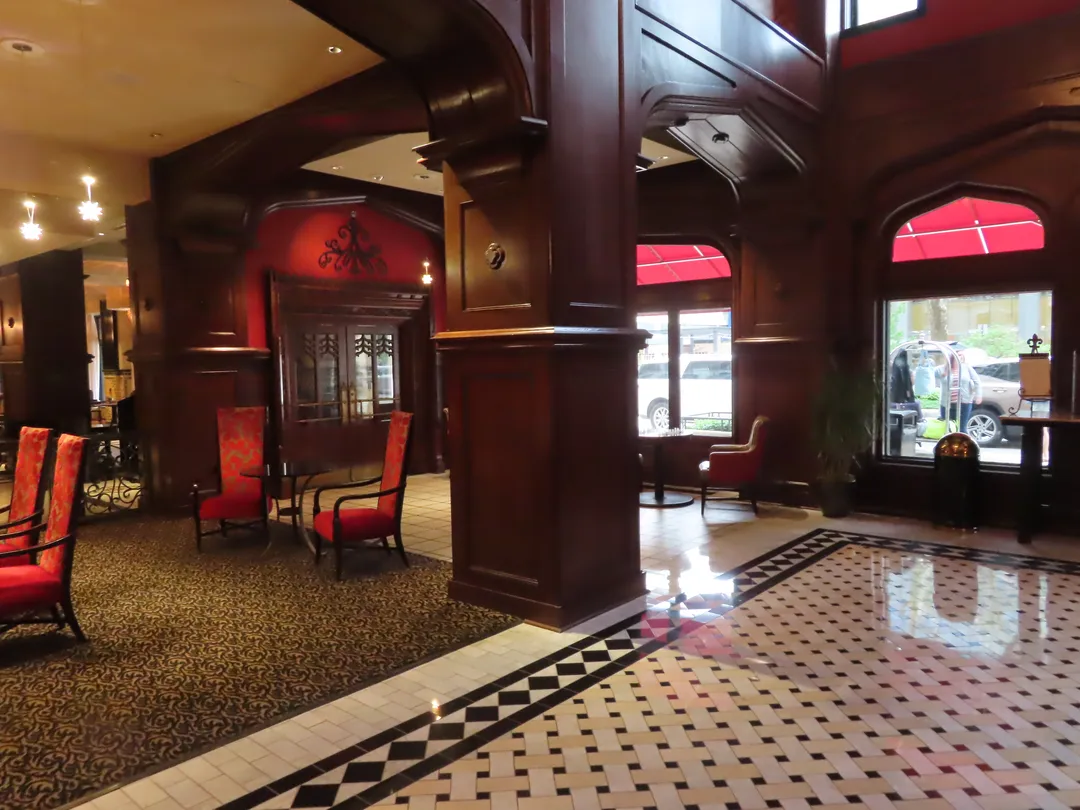
Charles Colcord put his tower up in 1910, having watched what the 1906 San Francisco earthquake and the fires after it did to unreinforced buildings. He wanted something that would not burn. The result was the first steel-framed building in Oklahoma and the tallest in the city until 1923, and it reopened as a hotel in 2006. Its lobby is where the group gathers.
The Skirvin opened on September 26, 1911 under the oilman W. B. Skirvin, and his daughter Perle Mesta carried the family name to Washington, where she became the capital's hostess with the mostest and later the United States envoy to Luxembourg. The guide works the renovated lobby and points out the detail that survived from the opening year.
Twenty Minutes on the Memorial Grounds
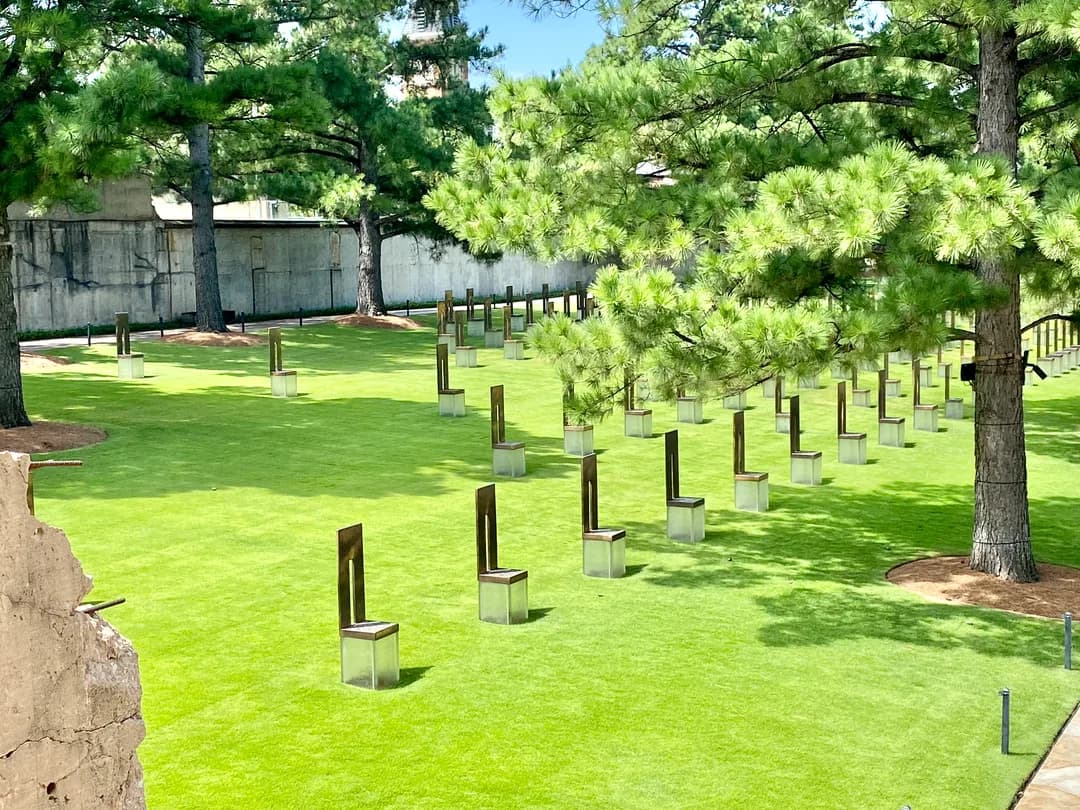
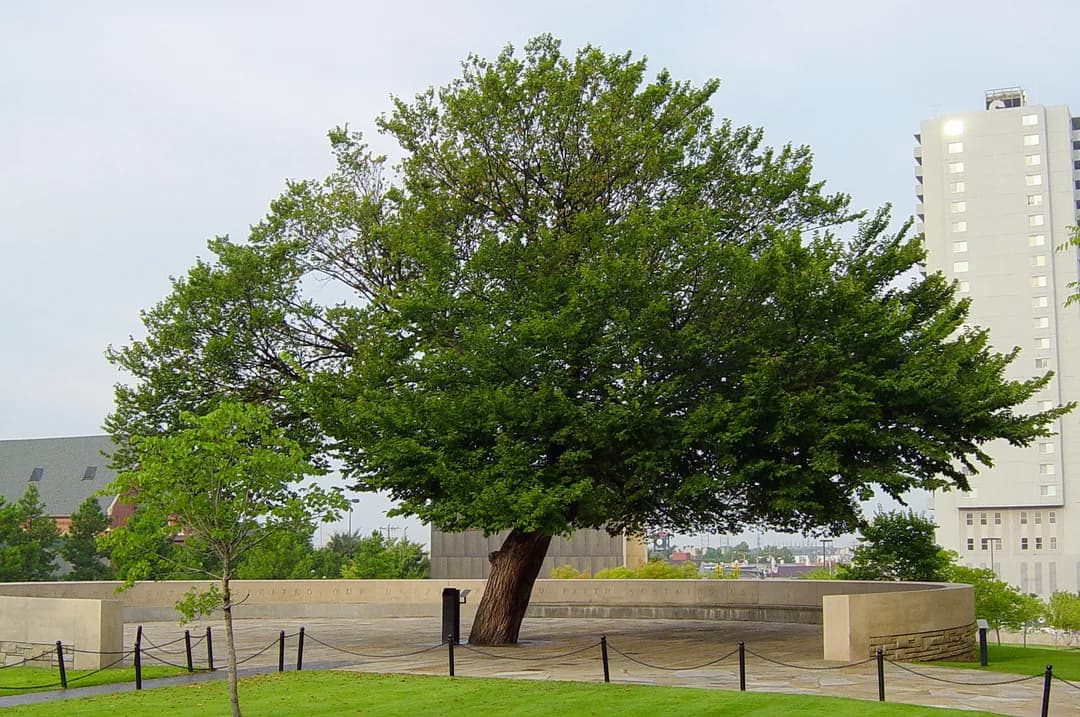
The outdoor memorial occupies the block where the Alfred P. Murrah Federal Building stood until April 19, 1995. Two gates mark the minute on either side of the blast: the east gate reads 9:01, the west gate 9:03. Between them stand 168 empty chairs in nine rows, one row for each floor of the building, with nineteen smaller chairs for the children. On the rise above, an American elm that came through the blast still stands, and the memorial calls it the Survivor Tree.
The grounds are free and open every hour of every day. The museum in the adjoining building is a separate ticket, eighteen dollars for an adult and less for seniors, military and students. The guide covers the design symbolism and how the city answered, and leaves the museum to you.
The Walk Ends in a 1931 Banking Hall
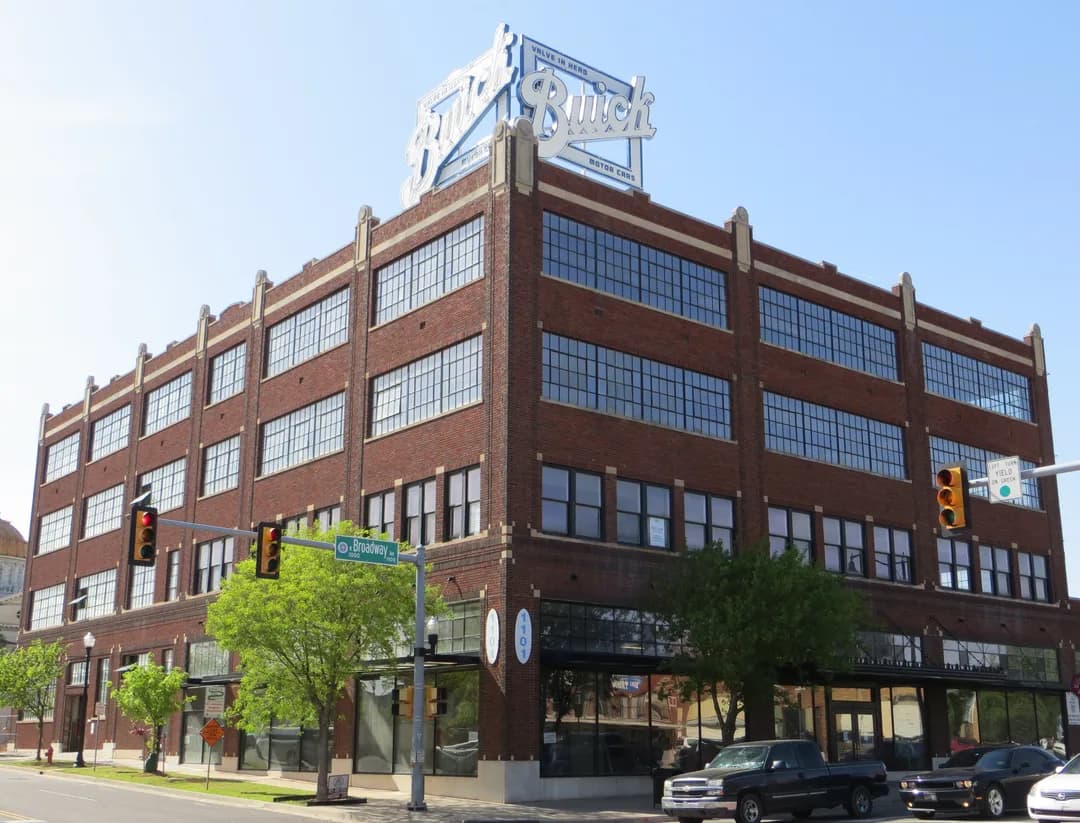
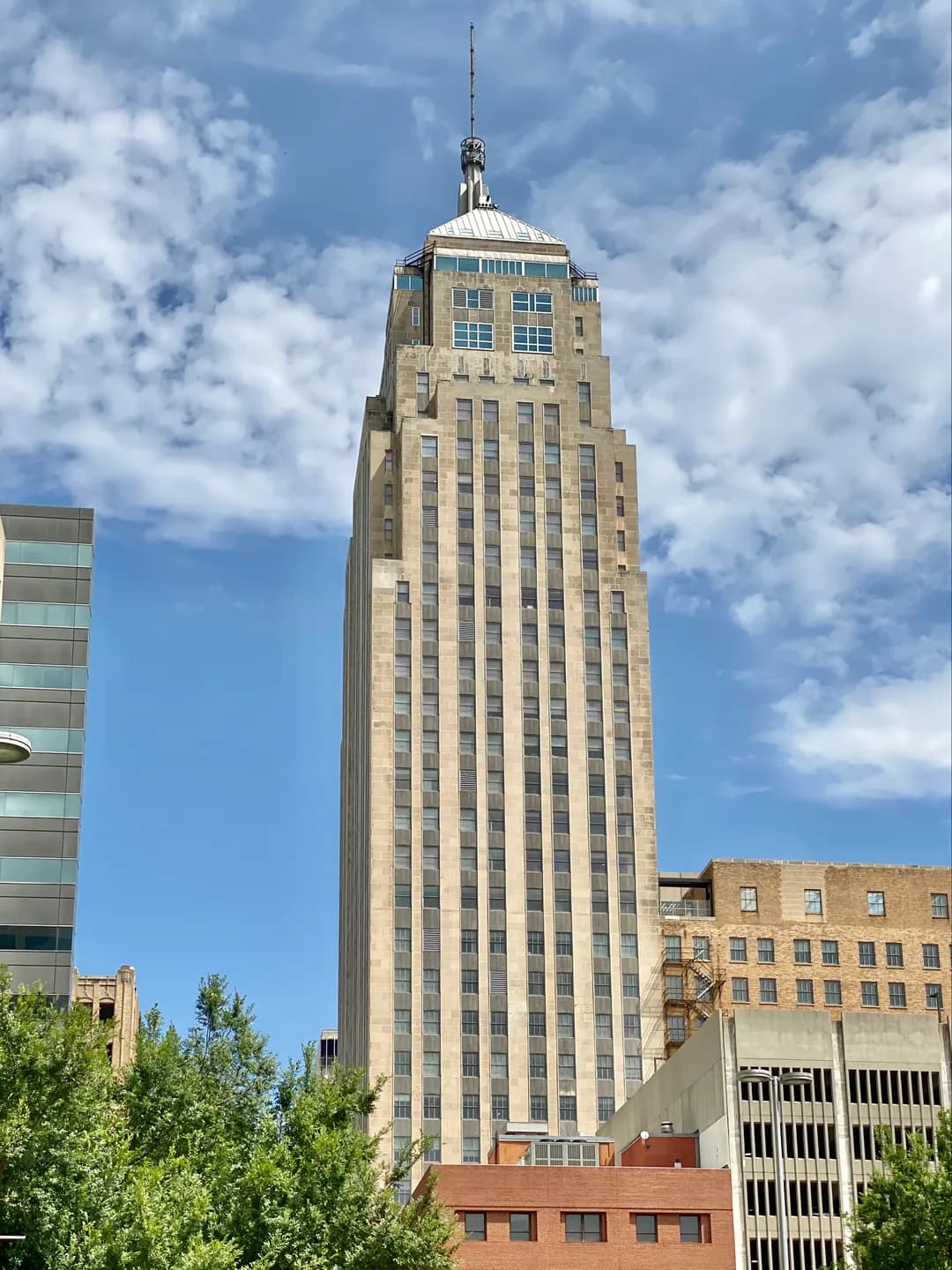
First National went up in 1931, thirty-three floors of Art Deco built for the bank that gave it the name. Its Great Banking Hall came back as a public lobby in the 2022 restoration, and the tower now holds a hotel, apartments, shops and restaurants. The tour ends inside, at the stop the operator calls arguably the most impressive building in the state. On the way the route passes the entrance to Automobile Alley on North Broadway, the stretch that carried Oklahoma's car dealerships a century ago.
What to Settle Before You Book
Two numbers for the same walk do not match. The booking lists a fixed two hours; the operator's own site lists two and a quarter hours for this tour. Hold the longer figure in your calendar.
The group meets inside the Colcord lobby at 15 North Robinson Avenue, where the guide carries an OKC Tours sign. There is no hotel pickup, and everyone starts from that one point. The listing rates the walk at a moderate level of fitness, the operator describes it as mostly outdoors, and that puts the weather in the plan. Cancelling at least twenty-four hours ahead of the start time returns the full fare.
The operator's own route description carries one stop the booking page stops short of naming: the Clara Luper National Sit-In Plaza at Robinson and Main, where a bronze lunch counter stands on the ground the Katz Drug Store once held. In August 1958 a schoolteacher brought her NAACP Youth Council students to that counter and they stayed until the policy gave way. The sculpture leaves one seat at the counter open, which is the operator's own reason for listing it: a monument you sit down in rather than stand in front of.