Free / Venue
Free Gallery, $6 Ride: The Honest Math on Visiting Marianne Boesky Gallery
One misfiled map pin, two summer shows closing the same Friday, and a line-by-line answer to whether "free" survives the round trip from the Grand Concourse.
 Matt Rowan
Here is the price myth of the week: "It's free, so it costs nothing." No. In New York, free has a fare attached, and usually a clock attached too. Marianne Boesky Gallery charges you exactly zero dollars at the door. The subway charges you $3.00 each way. Your afternoon charges you two to three hours. Whether that trade is a win depends on where you start, what's on the walls, and whether you know how to walk into a white-cube gallery without burning ten minutes of courage in the doorway.
This page does all three calculations for you. Read it before you swipe, not after.
First, Fix the Map
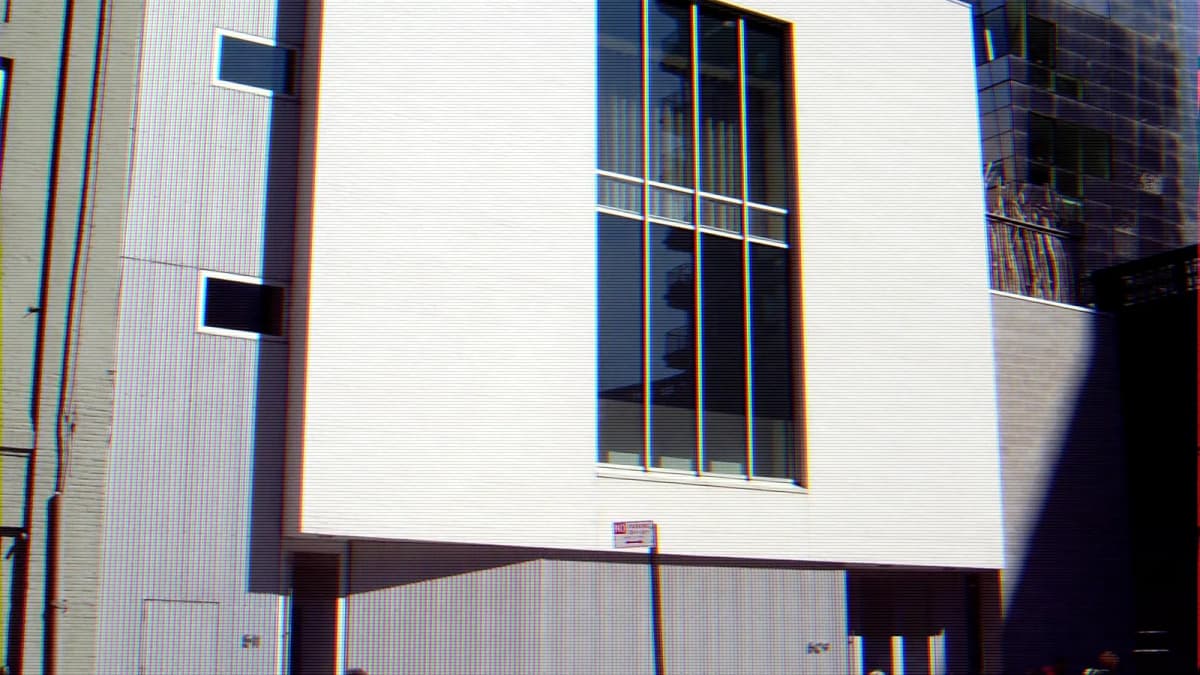
Let's clear up an error you may run into, because it shows up in more than one listings app: Marianne Boesky Gallery sometimes gets filed under the Bronx. It is not in the Bronx. It has never been in the Bronx. The gallery sits at 507 and 509 West 24th Street — two adjacent storefronts between Tenth and Eleventh Avenues in Chelsea, Manhattan, one block from the High Line.
Why does this matter enough to lead with? Because a wrong borough on a map pin is the single most expensive kind of "free." If you plan a Bronx afternoon around this gallery, you will lose a round trip and about two hours to a data-entry mistake. Lists beat luck, but only when the list has the right address on it.
The facts, verified and current:
• Name: Marianne Boesky Gallery, founded by Marianne Boesky in 1996 — the gallery is marking 30 years in 2026.
• Address: 507 & 509 West 24th Street, New York, NY 10011 (Chelsea, Manhattan).
• Summer hours: Monday through Friday, 10 AM to 6 PM. Note that this is a summer schedule — Chelsea galleries commonly shift their open days seasonally, so check the gallery site the morning you go.
• Admission: none. No ticket, no reservation, no suggested donation box. You walk in.
A budget is a passport with math. Do the math before you leave the house, and the passport works every time.
Why a Commercial Gallery Beats a Museum on a Tight Week
If your museum budget for the month is already spent, Chelsea's gallery blocks are the best free art infrastructure in the city, and this gallery is a solid anchor for a first run. Three reasons, all practical.
One: the price is actually zero. Commercial galleries make their money selling art to collectors, not selling entry to you. You are not the customer; you are the audience. That means no admission, no timed tickets, no "suggested" anything.
Two: the scale respects your time. A museum asks for four hours and gives you sore feet. A two-room gallery asks for twenty to forty minutes and gives you a complete show. On a tight schedule, that ratio is the whole game.
Three: nobody is packed in. Outside of opening nights, weekday gallery rooms run quiet — often you, the art, and one person at a desk. If you have been priced out of the blockbuster-museum experience, this is the version where you can actually stand in front of a work for five minutes without a tour group washing over you.
The Real Cost of "Free"
Now the table I always want and never find. Assume you are starting from the South Bronx — say, near 161st Street on the Grand Concourse — on a Friday.
Two fare notes worth money. First, if you ride with the same OMNY card or phone all week, fares cap at $35 — after that, rides are free for the rest of the week. If this trip lands in a heavy commuting week, the marginal cost of the gallery run can genuinely be zero. Second, there is no combination of tickets to buy here, so the only trap left is going on a day the gallery is closed. That trap is real: on the current summer schedule, a Saturday trip finds locked doors. Check before you ride.
What's on the Walls Through July 24
A free gallery with nothing on view is a $6 lesson in checking the calendar. Here is what is actually up, and the deadline that matters: both current shows run June 25 through July 24, 2026 — and July 24 is a Friday, doors open 10 AM to 6 PM. If you are reading this on publish day, you have until closing time, and the last day of a Chelsea show is usually its quietest daylight window.
Paper Trail is a group exhibition pulling together works on paper by 21 artists from the gallery's program — drawings, watercolors, photographs and prints, with everything from India ink to spray paint in the mix. Group shows are the best value in the gallery economy: one room, twenty-plus ways of thinking, zero dollars.
NXTHVN Cohort 07 | Material Conditions of Becoming presents seven artists from NXTHVN, the New Haven arts incubator co-founded by artist Titus Kaphar and Jason Price, in a show organized by curatorial fellows Tara Fay Coleman and Juanita Sunday. The work moves across painting, sculpture, printmaking and sound, circling memory, labor and cultural resilience. If you want to see artists at the start of the curve — the ones museums will charge you to see in ten years — this is the room.
After July 24, the walls change over. Late summer is when Chelsea galleries rehang, shorten hours, or go dark for a stretch, so from August onward treat the gallery's exhibitions page as your ticket booth: it costs nothing and it is the only thing standing between you and a wasted swipe.
Walking In Without the Sweat
Here is the part most guides skip, and it is the part that keeps first-timers out more effectively than any ticket price: the door. Gallery entrances are designed to look expensive. Glass, concrete, a desk, silence. Your brain reads "members only." Your brain is wrong.
The door is free. The floor is free. The only thing that costs anything in that room is pretending you're not allowed in it.
The mechanics, step by step:
• Just walk in during open hours. If the door is locked during posted hours, look for a buzzer — some Chelsea spaces use one. Press it. That is what it is for.
• The person at the desk is not a bouncer. They will usually nod and go back to their screen. You do not need to explain yourself. If you want the checklist of works — the sheet with titles and materials — the desk has it, free.
• Questions are allowed. Gallery staff will generally tell you about the show if you ask, and on a slow weekday you might get a better walkthrough than a museum audio guide. If they are busy with a client, they will be brief. Either way, you have lost nothing.
• Nobody expects you to buy. The collectors who buy do it by email and appointment. A visitor who looks carefully and leaves is a normal Tuesday, not an intrusion.
• Silence is the house style, not a verdict on you. If the room feels cold, that is the architecture doing its job. It is not a message about whether you belong. You do.
Photos: the one rule to ask about
Photo policies in commercial galleries vary show by show — personal, no-flash photography is the common norm on these blocks, but some exhibitions restrict it. The professional move costs you one sentence at the desk: "Okay if I take photos?" Ask it on the way in, not after the shot. No flash, no tripod, no blocking anyone's sightline, and skip photographing other visitors without asking.
Solo is the easy mode
One more budget note that is not about money: this is one of the best solo outings in Manhattan. There is no group-admission logic, no table-for-one awkwardness, no pacing negotiation. You move at your own speed, you leave when you are done, and the quiet works for you instead of against you. If you have been waiting for a companion to make this trip feel legitimate, stop waiting. The room does not care, in the best possible way.
Live in the Bronx? Run This Math First
Now the comparison the map error accidentally invites, and it is worth taking seriously: if you live in the Bronx, you have free art within borough limits that costs you less than the Chelsea run — in some cases $0.00 in transit. Before you commit the $6 and the half day, check these against your week.
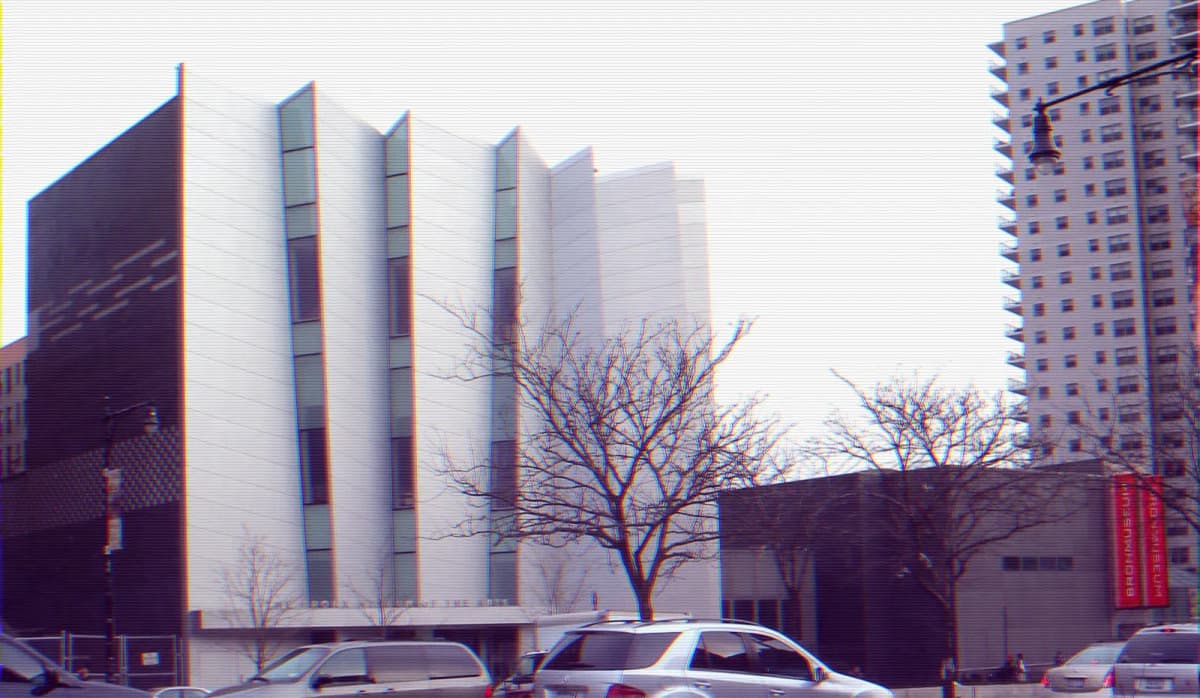
The Bronx Museum of the Arts — 1040 Grand Concourse at 165th Street. Admission is permanently free for everyone, exhibitions and events included, and this is museum-scale programming, not a single room. Open Wednesday through Sunday, 11 AM to 6 PM; closed Monday and Tuesday. A renovation of the South Wing is underway, so use the north entrance partway up the block toward East 166th Street. The D or B to 167th Street puts you two blocks away; the 4 to 161st Street works too. If you live on the Concourse line, your total cost of admission is a walk.
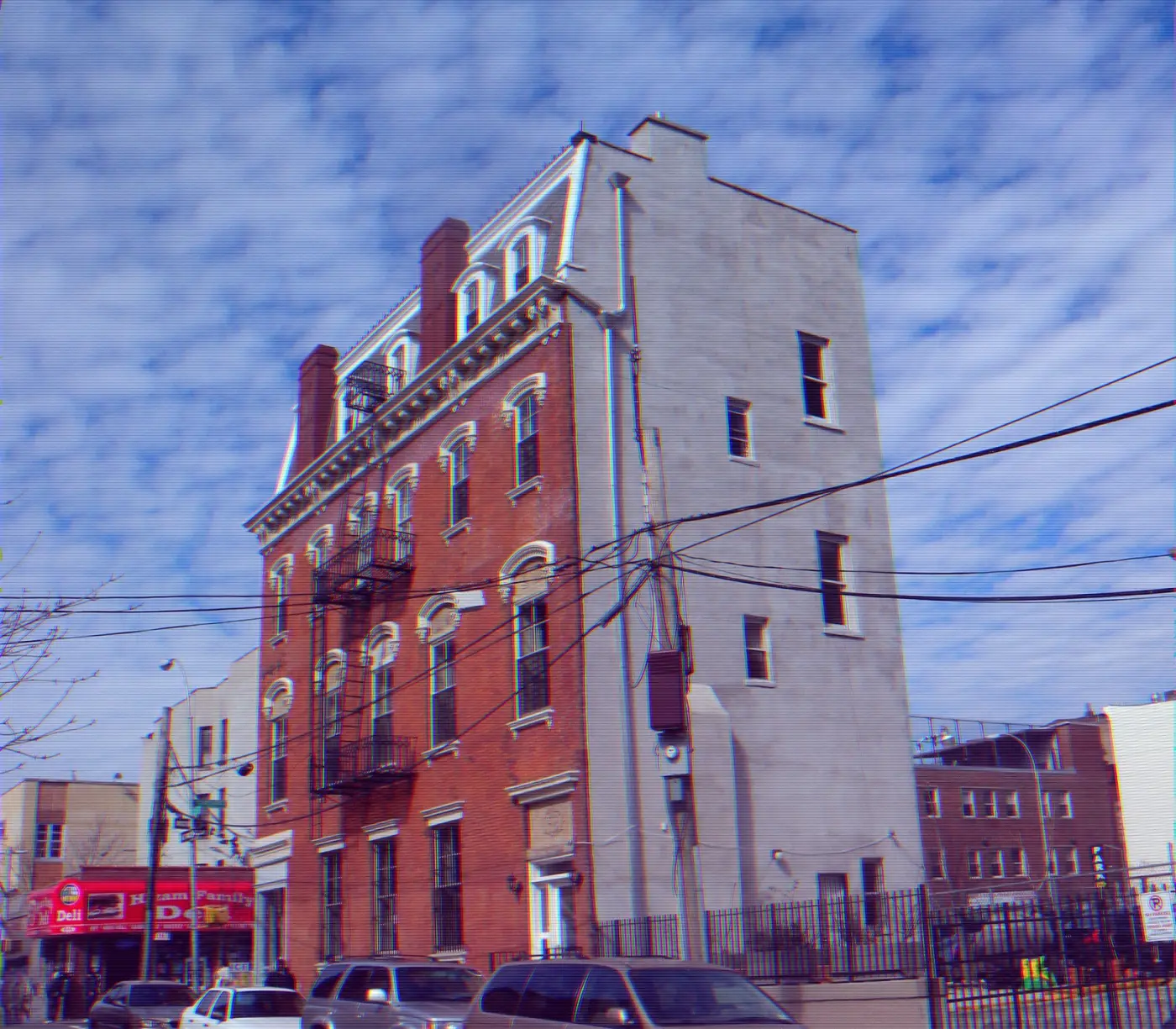
Bronx Documentary Center — 614 Courtlandt Avenue in Melrose, a landmarked brick corner building with free admission, always. It shows serious documentary photography and film with deep neighborhood roots. The catch to plan around: tight hours. Thursday and Friday 3 to 7 PM, weekends 1 to 5 PM. The 2/5 to Third Avenue–149th Street leaves you a five-minute walk.
Longwood Art Gallery — the Bronx Council on the Arts' flagship visual arts space, running since 1981, now at BCA's headquarters at 2700 East Tremont Avenue near Westchester Square after two decades at Hostos Community College. Free, community-rooted, and historically the borough's proving ground for underrepresented artists. Hours shift with exhibitions, so check BCA's site before making the trip.
The honest verdict: these are not consolation prizes. The Bronx Museum alone out-programs most of what $30 buys you in Manhattan. The Chelsea trip earns its fare when you want the commercial-gallery ecosystem itself — a dozen free rooms in a four-block radius — which brings us to the finishing move.
The Sample Afternoon That Earns Its Swipe
Never ride 45 minutes for one room. Stack the block. Here is the Friday plan that makes the $6 mathematically unbeatable:
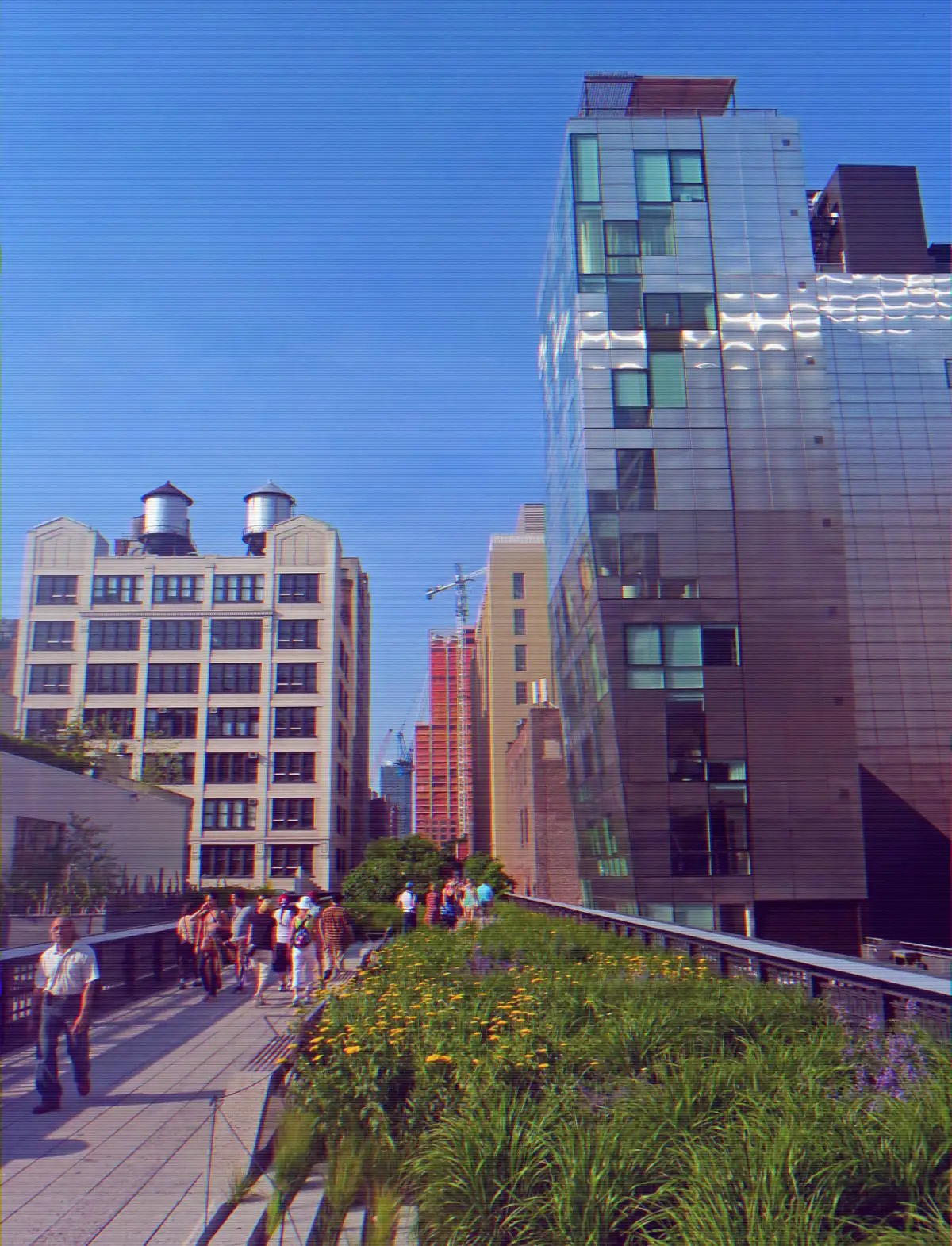
1. 12:30 PM — Arrive via the High Line. Free, and it crosses right over West 24th Street. Walk it south from 30th Street and exit at 23rd or 24th; you descend directly into gallery territory.
2. 1:00 PM — Marianne Boesky Gallery, both storefronts. Budget 40 minutes for the two shows. Grab the checklist at the desk.
3. 1:45 PM — Crawl the block. West 24th between Tenth and Eleventh is one of the densest gallery strips in the city; the neighboring blocks from 21st to 26th add a dozen more free rooms. Pick three doors at random. That is the whole method. Every additional gallery you enter drives your cost-per-show closer to zero.
4. 3:30 PM — Walk to the fare-free finish. Chelsea's piers and Hudson River Park are a block west and cost nothing. Skip the $8 lemonade; the river view is the same price as the art.
Total damage: $6.00 in fares, $0 in tickets, four to six shows, one park, one elevated walk. Per attraction, you are paying under a dollar. That is the version of this trip I will defend.
Your First Step
Do not save this page and forget it. Do one thing now: open the gallery's exhibitions page and look at the dates. If the current shows fit your week, put the weekday in your calendar with "10 AM–6 PM" written next to it. If they have closed, check what opens next — September is when Chelsea reloads.
Then run the three-question check I use on every "free" outing in this city:
• Is it open the day I'm free? (Summer = weekdays here. Verify.)
• What does the round trip cost me in dollars and hours? (From the Bronx: $6 and half a day. Near a Concourse D stop, the Bronx Museum costs a walk.)
• Can I stack it? (If you cannot add at least two more free stops, save the trip for a week when you can.)
Price the dream, then pay less for it. In this case the dream is a quiet white room, twenty-eight artists, and a river at the end — and the price, played correctly, is a subway fare you might have spent anyway.
Marianne Boesky Gallery, 507 & 509 West 24th Street, New York, NY 10011