Wellness / Event
Every Wednesday at 5:30, the Same Band Plays the Same Room — and That Is the Whole Point
David Ostwald's Louis Armstrong Eternity Band has kept a weekly Wednesday appointment at Birdland since 2000 — and a standing 5:30 show may be the most useful thing a tired week can lean on.
 Marcus Hale
There is a moment, early in the evening at Birdland Theater, when a tuba starts breathing under "When It's Sleepy Time Down South" and you realize nobody on stage is nervous. Not because the stakes are low — because the band has done this on this night of the week, in this city, for longer than some of its trumpet players have been alive. Museums have permanent collections. New York's jazz calendar, mostly, does not. This is the exception.
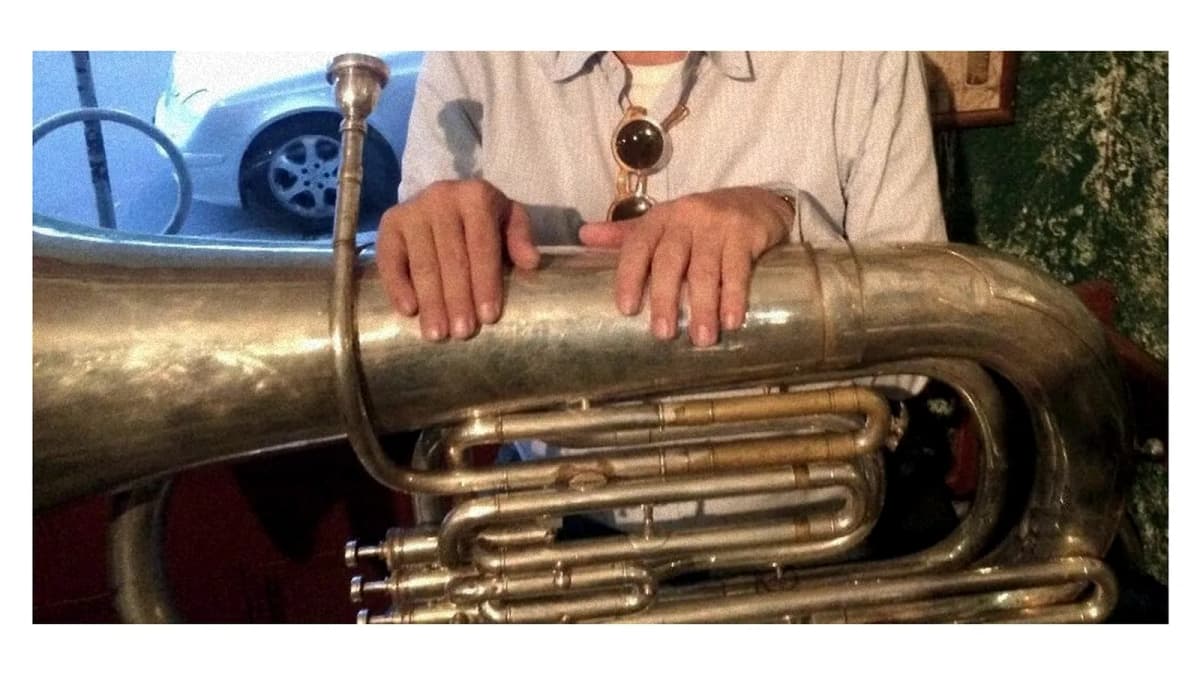
Here is the thing in one sentence: every Wednesday at 5:30 PM, tuba player David Ostwald leads his Louis Armstrong Eternity Band through the joyful early-jazz repertoire of Armstrong, Bix Beiderbecke, Jelly Roll Morton and their colleagues in the downstairs theater at Birdland, 315 West 44th Street — a weekly engagement the band has held at this club since 2000, now in its 26th year.
A residency older than most restaurants
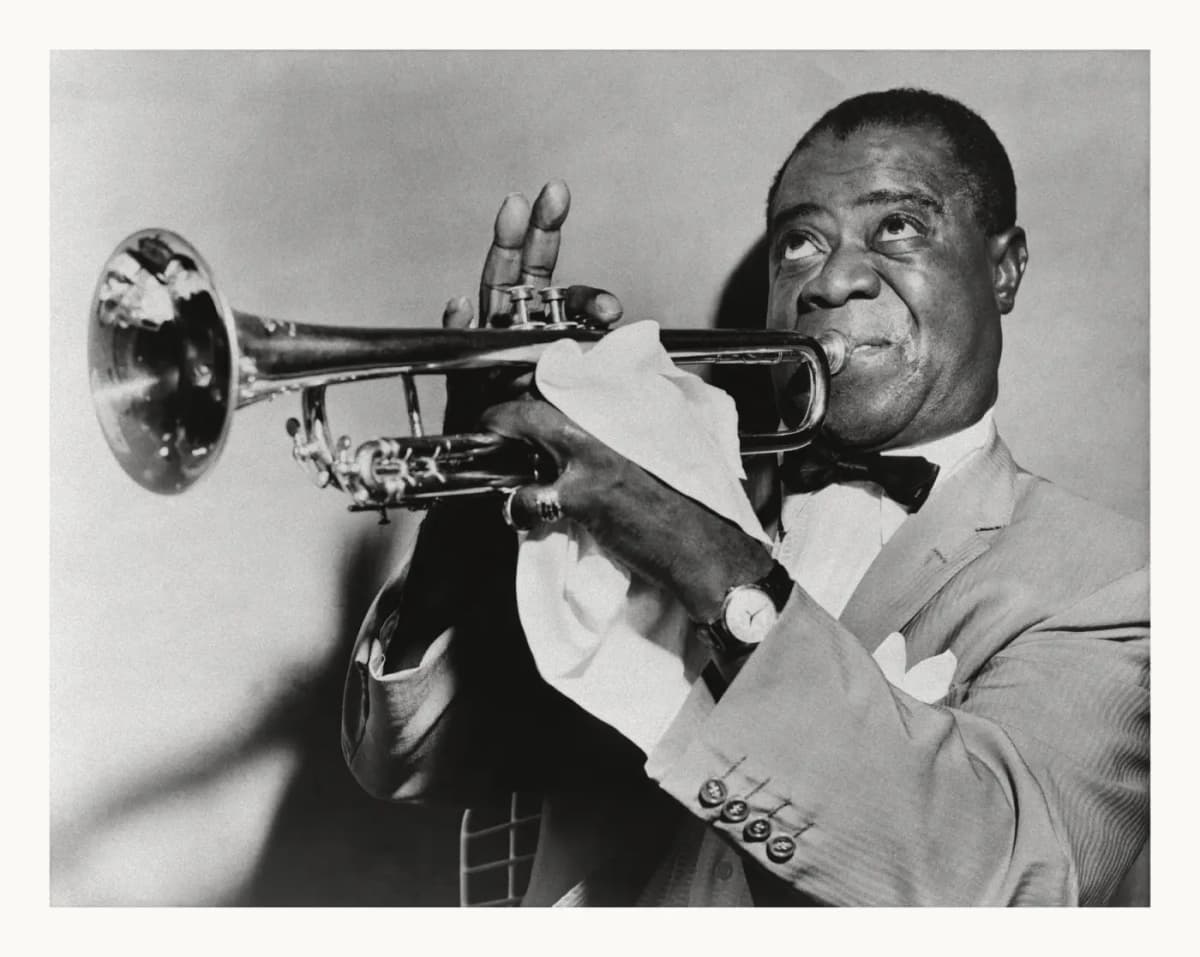
The band itself goes back much further than the Birdland run. Ostwald — a lawyer by day for years, the kind who chose a firm that would let him slip out for gigs — has led this group since 1980, when it was called the Gully Low Jazz Band, after an Armstrong blues. In 2000, the producer George Avakian, who had recorded Armstrong himself, talked Birdland's owner into giving the group a weekly Armstrong tribute slot. It was Armstrong's centennial year, so the band opened as the Louis Armstrong Centennial Band; when the calendar made that name obsolete, Ostwald renamed it the Eternity Band, which turned out to be truth in advertising. By the venue's own telling it remains the only banjo-and-tuba band ever to hold a stage at Birdland in the club's long history.
So the arithmetic runs like this: one band, forty-six years old; one weekly appointment, kept for more than a quarter century in the same building. In a city where a beloved bar can vanish between your first and second visit, that kind of fixed point is rare enough to be worth organizing a week around.
How to use a standing Wednesday
The wellness argument for this show is not mystical. It is scheduling.
Most leisure in New York is a research project: what's on, who's playing, which night, can you get in. A residency deletes all of that. The decision was made in 2000; you just show up. Doors open at 4:30, the music starts at 5:30, and you are out in time for dinner, a Broadway curtain, or an early train home. No late night to recover from, no babysitter negotiation past nine. For anyone whose Wednesdays end in a slack, tired hour between the office and the apartment, this is a place for that hour to land — the same seat, the same opening tune, a plate and a drink, and ninety-odd minutes of music built specifically to make rooms feel better.
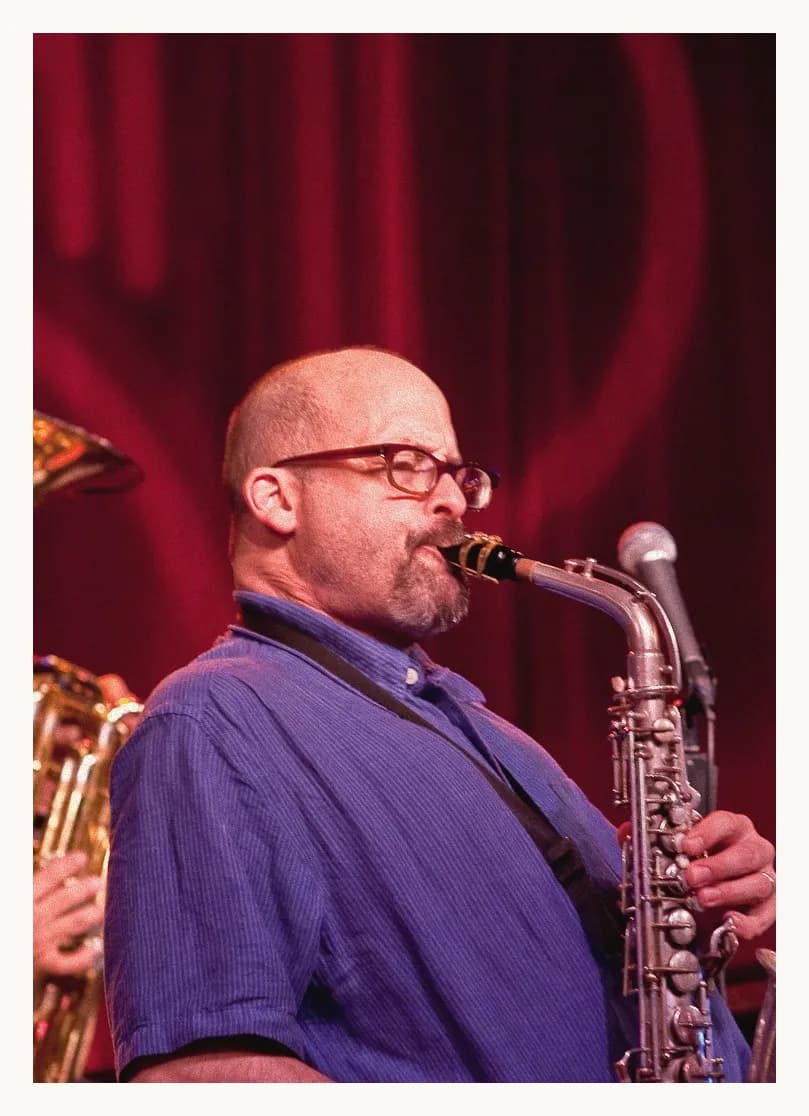
Repetition is also what makes the show good, not just convenient. The frame stays fixed — Ostwald's tuba, the Armstrong songbook, "Sleepy Time Down South" as the recurring signature, which the band has played thousands of times by now — while the picture inside it changes weekly. The chairs rotate through New York's best traditional-jazz players: trumpeters like Bria Skonberg, Alphonso Horne, Mike Davis and Danny Tobias trade weeks; Will Anderson on reeds, Jim Fryer on trombone, Alex Raderman on drums cycle through; over the decades more than a hundred musicians have passed through the lineup, with guests as decorated as Wynton Marsalis and Clark Terry sitting in. Go twice and you will not hear the same band. Go twenty times and you will start to hear the differences — which is the quiet reward of any ritual done properly.
What to save for last
Save the ending. The band traditionally closes the way it opens, returning to "Sleepy Time Down South" — the tune Armstrong used as his own theme for decades — so the night lands where it began, one week's loop closed and next week's already implied. Don't slip out early to beat the coat check; the last chorus is the point of the whole exercise. And before you leave, look at the man holding the tuba: Ostwald spent twelve years chairing the board of the Louis Armstrong House Museum in Queens. This is not a covers act. It is a curator who happens to play his collection.
Timing and ticket truths
The show runs Wednesdays at 5:30 PM in Birdland Theater, the downstairs room at 315 West 44th Street; this week's edition is Wednesday, July 15, 2026. Doors at 4:30. Tickets generally land in the mid-$30s to mid-$40s with fees depending on seat, plus Birdland's standard $20 per-person food-or-drink minimum — which, given that the kitchen serves full dinner, is less a surcharge than a nudge to eat where you already are. The room admits ages 10 and up, and the sets are generally livestreamed if you want to preview one before committing your Wednesdays. Birdland itself has called the engagement the best musical bargain in the city; the venue is biased, but not wrong.
Who this is for
For the person whose week needs one immovable object: the midtown worker who wants music between desk and dinner, the Broadway-bound visitor with a 5-to-7 gap, the parent who loves jazz but not midnight, anyone testing the theory that doing one good thing at the same time every week beats doing five different things badly. A small ritual done slow beats a big night done tired. If your Wednesdays currently belong to nothing, this band has been holding the slot for you since 2000.
Birdland Theater, 315 West 44th Street, New York, NY 10036