Music / Venue
A 90-Minute Bronx Music Map That Does Not Borrow A Stage
 Marcus Hale
Start in the borough. Otherwise this is not a Bronx music plan; it is a commute with better language.
The Bronx does not need a borrowed stage. That is the first useful rule.
The weak version of this page would point you at a shiny concert hall somewhere else, then use the Bronx as a mood board: hip-hop, salsa, street corners, resilience, all the usual nouns. The better version starts with rooms you can actually enter, calendars you can actually check, and one clear refusal: do not turn a borough with its own musical infrastructure into a preface for Manhattan.
This is a music map, not a monument list. Use it like a museum guard would use a floor plan: start with the room that orients you, skip the section that only flatters the brochure, and save the living room for last.
What This Map Is Actually About
Bronx music is not one genre wearing a borough cap. It is an argument between rooms.
Factories and elevated trains helped make dense neighborhoods. Dense neighborhoods made theaters, dance halls, school auditoriums, parks, record stores, apartment parties, and street systems. Those rooms did not all survive. The sound did.
Bronx Music Hall gives the story a spine because it refuses to flatten the borough into a single origin myth. The Bronx was called the "Piano Capital of the United States" around Mott Haven and Port Morris. Doo-wop and R&B moved through school hallways and housing developments. Mambo, bugalu, salsa, jazz, bachata, hip-hop, West African, Garifuna, Dominican, Puerto Rican, Bengali, and other sound worlds keep reworking the map.
The point is not to memorize the whole wall text. The point is to stop asking the wrong question. The Bronx music question is not "Where is the famous stage?" It is "What room is doing the cultural work right now?"
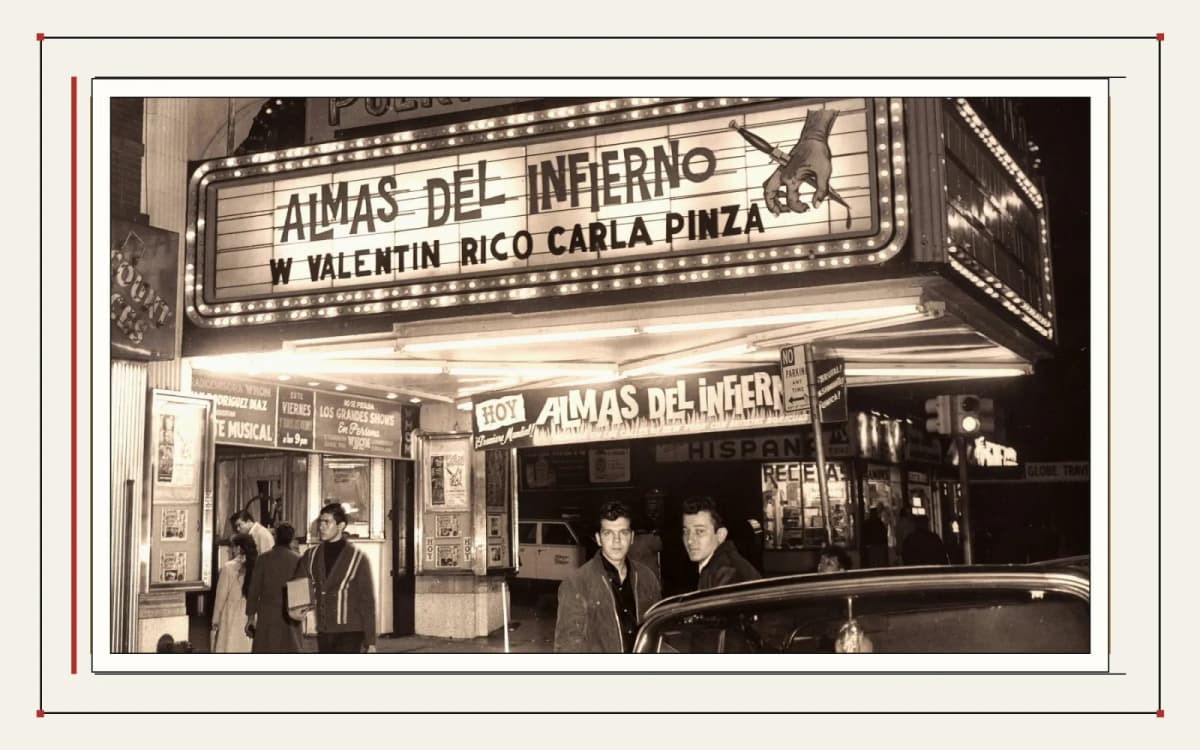
A music map has memory under it. The old theater marquee matters because the present rooms are still answering it.
The 90-Minute Version
If you only have one outing, make Bronx Music Hall the first room.
Not because it is the only room. Because it gives the map a working address: 438 East 163rd Street, in the South Bronx, close enough to Yankee Stadium transit that the trip is real but not frictionless. That matters. A plan becomes honest when the address starts costing time.
Go two ways.
For a live night, check the calendar, buy the actual ticket, and arrive when doors open. Bronx Music Hall lists events across concerts, comedy, spoken word, dance, film, and multidisciplinary programs. It also notes the practical stuff readers usually learn too late: the venue is cashless for events, accepts cards and digital payment, and ticket sales are final. That is not glamorous. It is the review.
For a daytime cultural pass, use its exhibitions and history materials as the entry point, then let the rest of the borough map get smaller. The best 90-minute visit is not "see everything." It is one room, one wall, one event listing, one route decision after.
The room to save, if it is open to you, is not the biggest performance space. It is the room where the history stops being decorative and starts changing how you read the next stop.
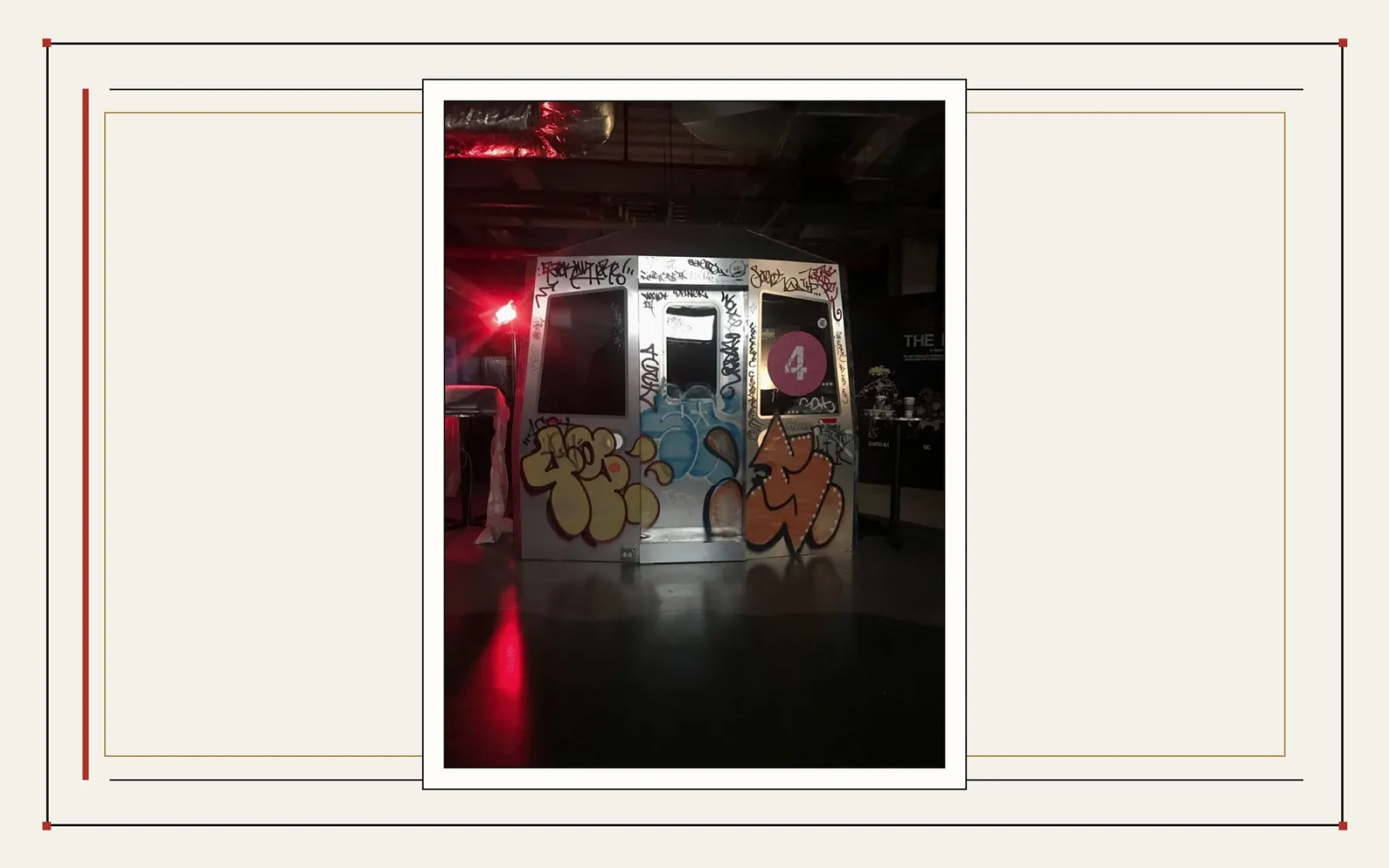
The Hip Hop Museum entry point is useful because it gives the origin story a current door, not just a birthplace sentence.
The Half-Day Version
The half-day route is Bronx Music Hall plus The Culture Lab at Bronx Terminal Market. Do not overpack it.
The Culture Lab is the practical public entry for The Hip Hop Museum right now: shop, events, and studio, listed at 658 Exterior Street next to T-Mobile, Wednesday through Saturday, 11 a.m. to 6 p.m. The larger museum project is a 55,000-square-foot permanent space with exhibits, performances, community engagement, and immersive installations. That is the larger promise. The usable visit is the current door.
This distinction is important. Hip-hop tourism gets lazy when it treats birthplace language as a substitute for planning. Yes, 1520 Sedgwick Avenue matters. Yes, Cedar Park matters. Yes, the Bronx is the birthplace of hip-hop. But a reader still needs to know what can be entered, what is a walk-by, what requires a timed event, and what is better handled with a guide or museum context.
For a half-day, keep the movement simple:
• Start at Bronx Music Hall if there is an event, exhibition, or reason to be inside.
• Move to The Culture Lab if its hours work.
• Leave the pilgrimage stops for a separate walk unless you have a guide, enough daylight, and a reason beyond checking a box.
Save the best room for last. In this case, the "best room" may be the one with fewer objects and more present tense.
The Salsa Room You Should Not Skip
A Bronx music map that only tells hip-hop history is still too thin.
The better thread runs through mambo, salsa, bugalu, doo-wop, jazz, and the dance rooms that carried working life after hours. The South Bronx was not only a backdrop for music. It was a network of theaters, social halls, clubs, schoolyards, and community parks where music absorbed migration, discrimination, housing loss, weekend release, and neighborhood pride.
That is why Teatro Puerto Rico and Colgate Gardens matter in the story even if they are not simple stops on today’s itinerary. That is why Casa Amadeo matters as a music store and memory site, not just a trivia answer. That is why the word "salsa" should not appear as seasoning in a Bronx paragraph. It has rooms behind it.
The rule is simple: if a place no longer functions as a visitable room, do not pretend the reader can use it the same way. Let it do historical work. Then return the reader to a current door.
Leave The Distributed Room For Last
Bronx Arts Ensemble is not a single room. That is its value.
Founded in 1972, it presents free and low-cost performances and school-based arts education across the Bronx. Its rooms are parks, campuses, churches, libraries, cultural centers, and partner institutions: Fordham University, the New York Botanical Garden, Pregones Theater, Lehman College, Hostos, Bartow-Pell, Van Cortlandt Park, Bronx Library Center, and more.
This is the piece of the map that stops the article from becoming nostalgic. A hall can hold memory. A museum can hold artifacts. A distributed ensemble shows whether the borough is still being booked in its own neighborhoods.
If a Bronx Arts Ensemble performance is happening during your window, let it overrule the tidy route. A free or low-cost concert in the right park is sometimes the whole plan. A small room done slow beats a big one done tired.
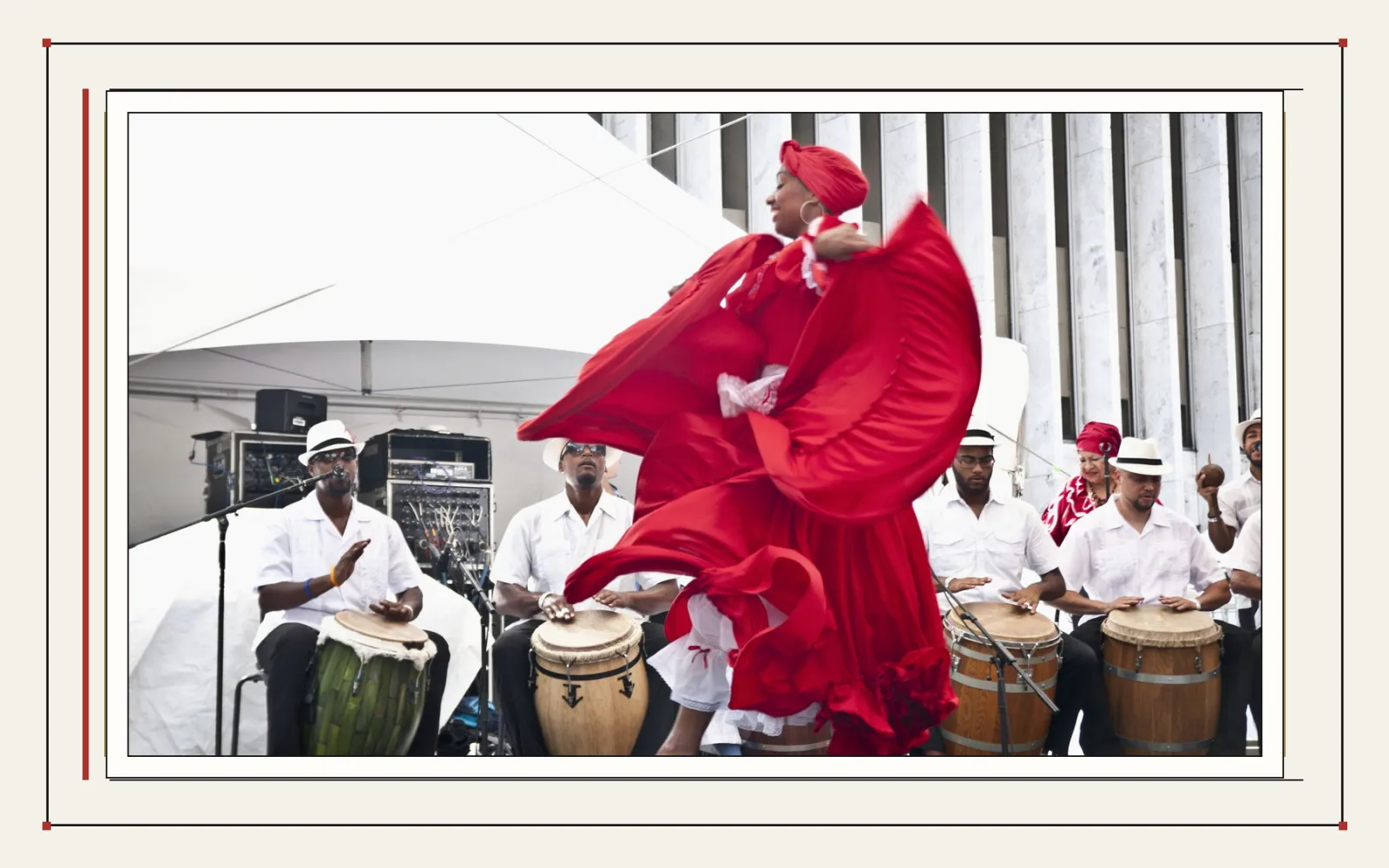
The strongest Bronx music room may not have walls. It may have a park, a tent, and a crowd that already knows where to stand.
Ticket And Transit Truth
Do not smooth over the map.
Bronx Music Hall is not David Geffen Hall. Good. That is the point. Use Lincoln Center only as an institutional contrast, not as a substitute Bronx anchor.
Bronx Music Hall sits at 438 East 163rd Street. The venue gives several transit options, including Yankee Stadium subway access plus a walk or bus connection, Third Avenue/149th Street plus the Bx41, and Bx6-SBS service near East 161st Street and Melrose Avenue. Build the transfer into the plan. The transfer is part of the curation.
The Culture Lab is listed at 658 Exterior Street and has limited posted hours. Treat that as a check-before-you-go stop, not a casual anytime museum.
Bronx Arts Ensemble works across venues. "Free and low-cost" does not mean "always free, always open, same room every week." It means you check the specific performance page and let the venue decide the night.
Who This Is For
Go if you want a Bronx music plan that starts in the Bronx and stays accountable to the map.
Go if you like cultural history but hate dead-end nostalgia. Go if you are willing to make one current room do more work than five abstract references. Go if you understand that crowds are a curatorial choice: a park concert crowd, a museum shop crowd, a performance hall crowd, and a school workshop crowd are not interchangeable.
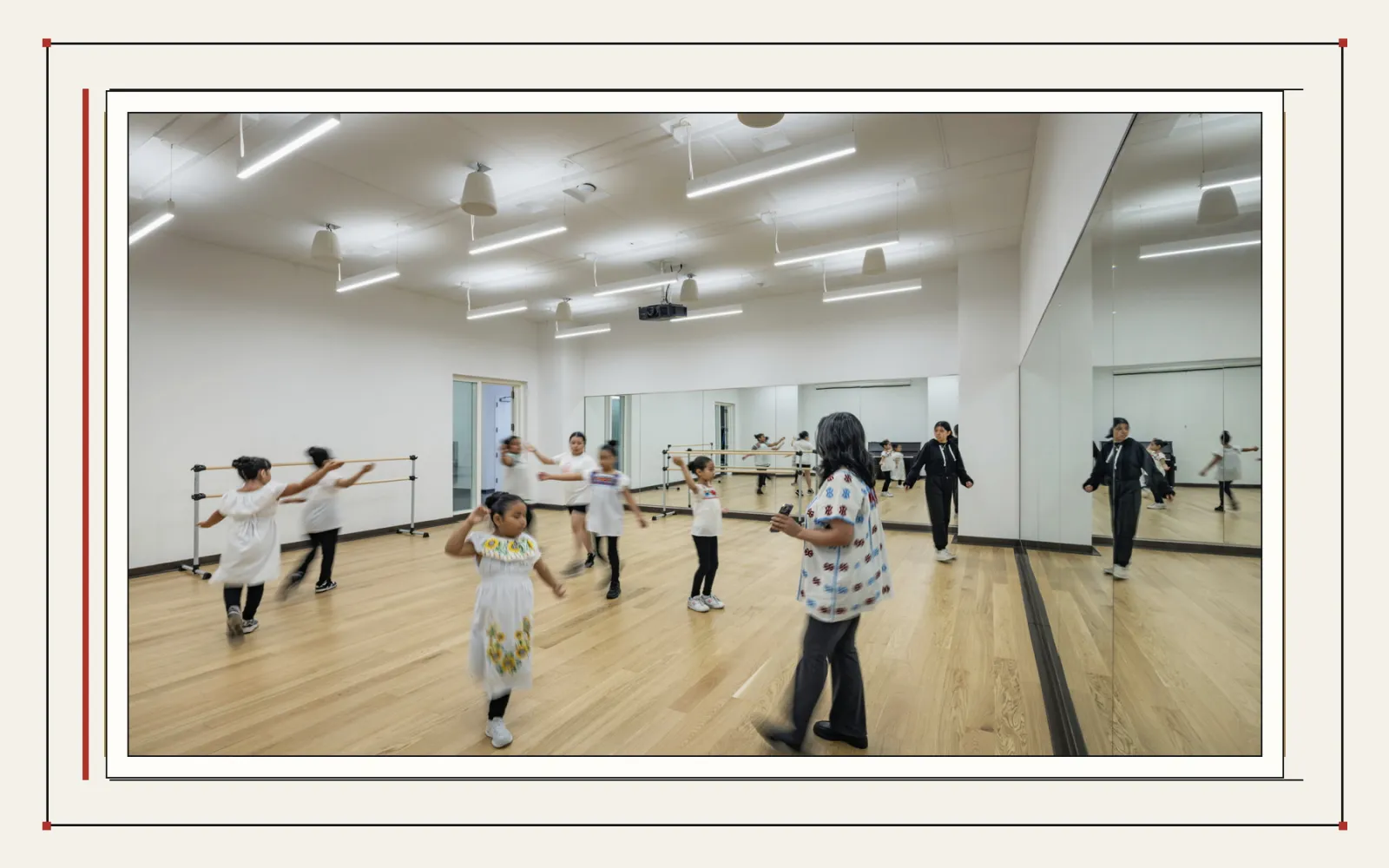
The quieter room is part of the map too. A borough's music infrastructure is not only the night show.
Who Should Skip It
Skip if you want assigned seats, a famous hall, and a clean category label.
Skip if you only want a hip-hop birthplace photo. The Bronx deserves better than a caption stop. Skip if you are not willing to check hours, doors, payment rules, and the actual borough address before making the plan.
Also skip if you need the story to be simple. Bronx music is not simple. It is legible, though, if you start with rooms instead of adjectives.
The Karpo Read
The Bronx does not need to borrow a stage because it already has a floor plan: old theaters, present halls, museum doors, parks, school rooms, and streets that kept making sound when formal infrastructure failed.
For the reader, the move is practical. Pick one current anchor. Bronx Music Hall for the live or exhibition room. The Culture Lab for the hip-hop museum entry. Bronx Arts Ensemble when the calendar puts the music in a neighborhood room. Do not pretend all three fit every afternoon.
Save the best room for last, but first make sure it is in the Bronx.
Bronx Arts Ensemble, 80 Van Cortlandt Park S, Bronx, NY 10463