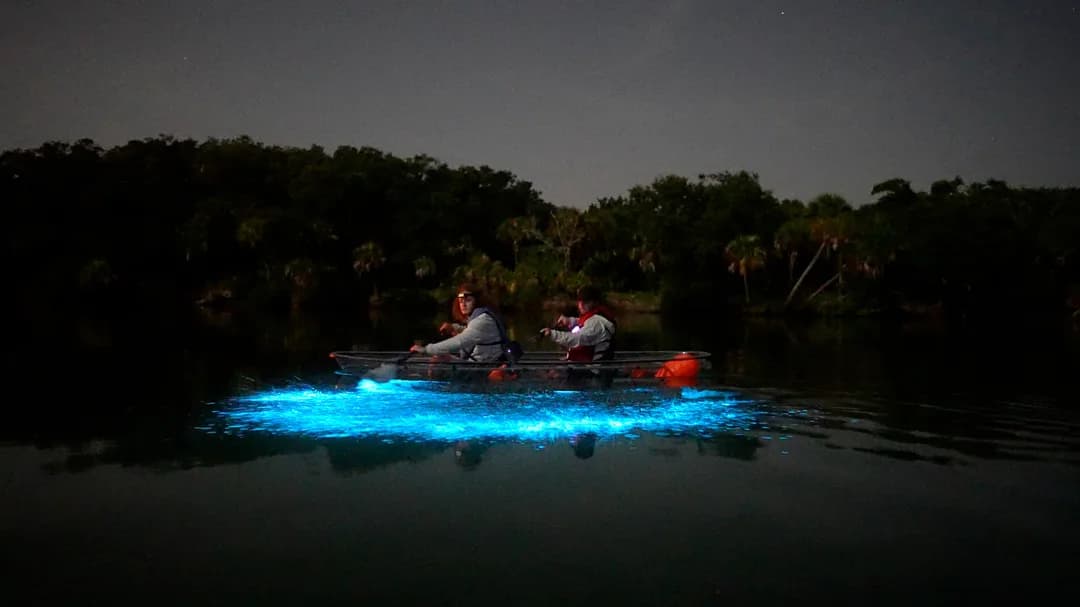

Clear-Bottom Kayaks on Haulover Canal, Bioluminescence Permitting
Night paddling in see-through kayaks on a refuge canal, during the warm months the operator opens the tour.
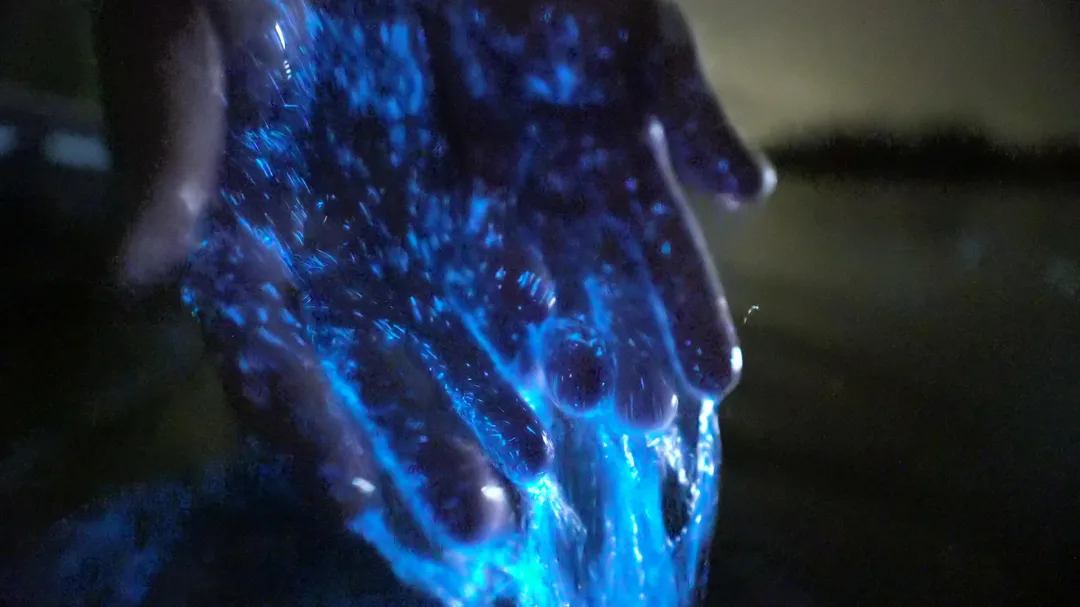
Bioluminescence is light made by a living thing, and in this water it answers movement. The organisms flare when something disturbs them. The glow arrives in pulses: under the paddle blade, along the hull, around a fish that bolts. A clear kayak floor puts that reaction directly beneath you.
Get Up And Go Kayaking posts a season of May through September for this tour, and the live calendar does not track that window exactly; dates open and pause outside it. The same operator paddles the same refuge in daylight for the rest of the year. Picking a date here is first a question of which months are on offer at all.
Departures leave from Haulover Canal, the cut that joins the Indian River to Mosquito Lagoon inside Merritt Island National Wildlife Refuge. There is no hotel pickup. Everyone meets at the launch, and the operator sends full directions after you book; it does not publish the exact ramp. One booking takes up to ten travellers and needs an adult on the reservation. Children can ride from three years old.
 Bioluminescent Clear Kayak Tours in TitusvilleNinety minutes on the water at Haulover Canal in a guided clear-bottom kayak, with the kayak and all fees and taxes included.www.viator.com
What the Glow Does, and What It Will Not Do
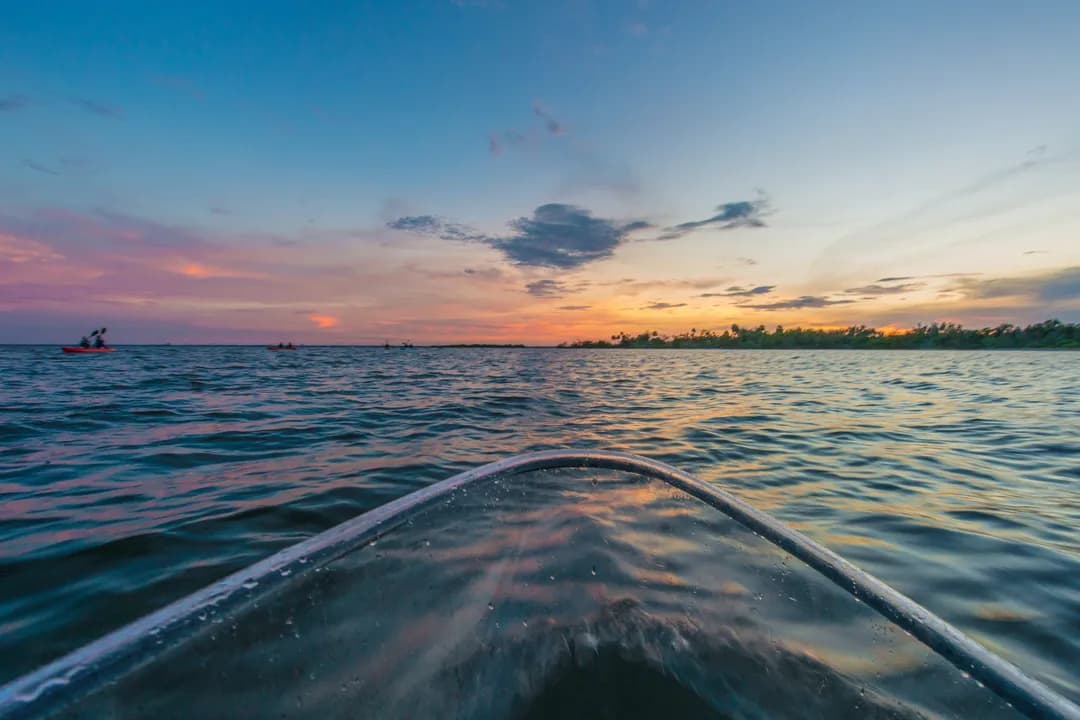
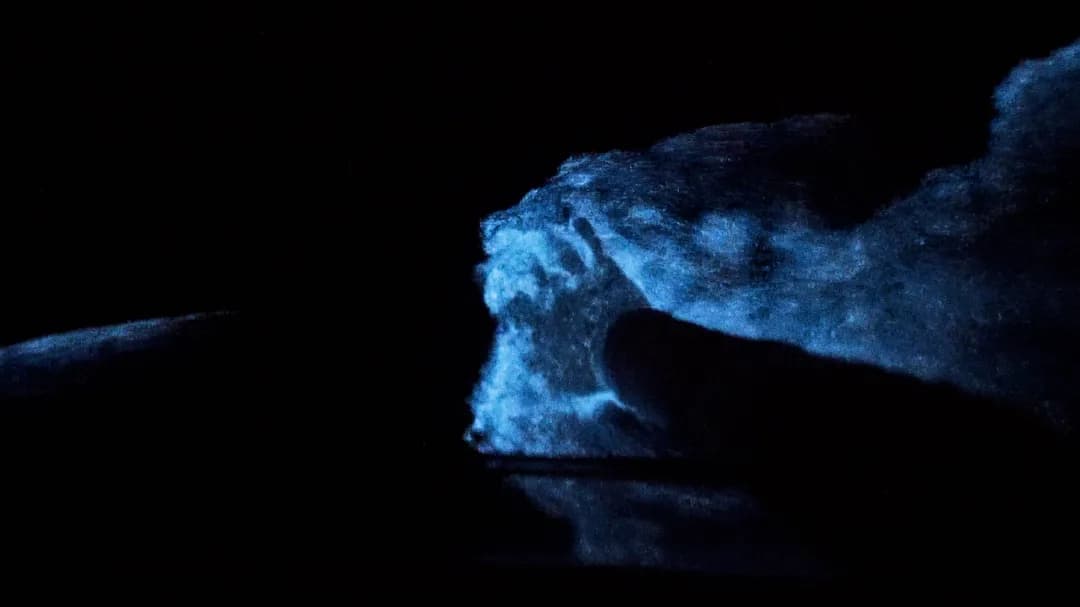
The light is a reaction, and it follows effort. A slow stroke raises a faint smear. A hard one throws a bright line off the blade and a mark down the length of the hull. Fish leave wakes you can follow by the glow they push ahead of them.
Brightness is not fixed, and nobody sells a guarantee on it. The operator's case for this stretch of water is darkness: it describes the refuge as over 140,000 acres with very little light pollution, which is what lets a faint reaction read at all. Ambient light works against a dim glow, and the operator says a brighter moon makes the bioluminescence harder to see, which leaves moon phase as the one variable you can book around. It puts the Florida dinoflagellate season between May and October with July and August at peak, and says warmer water makes the glow brighter.
The organism has a name, and the park service next door uses it. Writing about the water inside Canaveral National Seashore, the National Park Service identifies Pyrodinium bahamense as the alga that causes bioluminescence and the glowing people see on night kayak trips. Published research on the northern Indian River Lagoon describes its blooms there as recurring and annual, and reports them running longer than they once did, starting earlier in spring and reaching into early winter. The operator's May to October window is the operator's. The bloom underneath it keeps its own schedule.
Traveller accounts from 2021 through 2025 do not agree on how much of the ninety minutes runs bright. Some describe a reaction on every stroke. Others put the bright stretch in a short section near the end, and one group reported seeing none at all on their night. Guides move people toward the patches that are working, which is most of what anyone can do about it.
The Canal Runs Through a Federal Wildlife Refuge
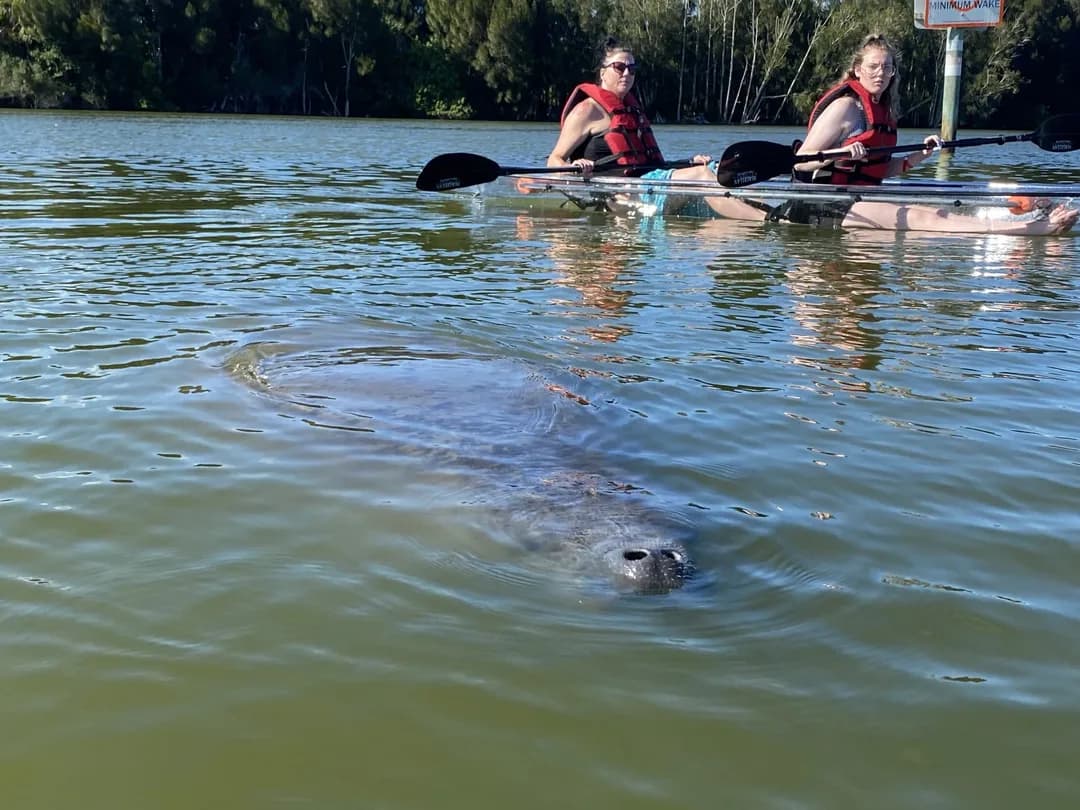
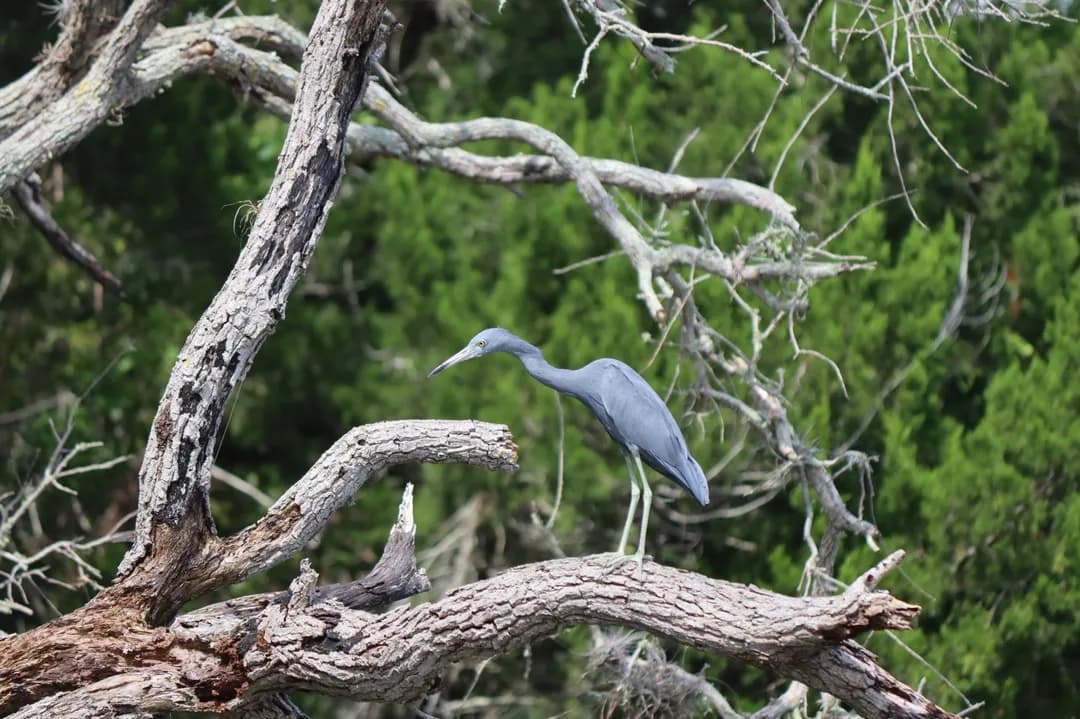
Haulover Canal sits inside Merritt Island National Wildlife Refuge, and the paddle takes the refuge as it finds it: tidal water, no lighting, insects. The operator runs daylight trips on the same canal and sells those on manatees and dolphins. At night it states plainly that wildlife is not guaranteed, and most of what you do meet arrives as a sound, or as a moving smear of light you never see an animal behind.
The refuge keeps its own hours, and they are not these. Refuge roads, trails and boat ramps are open sunrise to sunset. Night launching is the exception, and a narrow one: the refuge names Bair's Cove and Beacon 42 as the only two ramps available for it, and Bair's Cove is the ramp on Haulover Canal. Running a commercial enterprise on a national wildlife refuge takes a federal special permit, and the refuge publishes its own list of approved paddling guides. Get Up And Go Kayaking is on that list.
Kennedy Space Center is the neighbour. The operator says its assembly building is visible from the paddle, and that rockets on SpaceX pads are sometimes in view. Alcohol, tobacco and audio speakers are all on its prohibited list, which keeps the water quiet. The neighbour also gets a say in whether anyone launches. The refuge warns that visitor access, including its boat ramps, can be restricted by NASA during launch operations at the space center. That is a closure the operator does not control, and it sits outside the weather rules it does publish.
What the Boat Carries, and Who Fits In It
Every kayak in the fleet is a tandem built for two, with removable seats so an odd number of paddlers can take one out alone. The weight limit is 250 pounds per person and 425 pounds for two people sharing a kayak, and the operator calls it a strict manufacturer limit that it cannot exceed. That ceiling appears nowhere on the booking page. The per-person figure still applies to anyone paddling solo.
The operator caps a tour at ten paddlers and provides life jackets for everyone. Swimming is not required, though it asks that you are comfortable on the water. Paddlers who had done this before describe the clear tandems as harder to steer than a standard hull, with a different seat, and one advised first-timers and older paddlers to weigh that before booking. Conditions decide the rest. On a calm night travellers call the paddling easy; against wind and current, getting back upstream reads as work. Access is less clear: the booking page ticks wheelchair accessible while also flagging the trip as unsuitable for travellers with spinal injuries, for pregnant travellers and for anyone with poor cardiovascular health, and asking for a moderate level of fitness. The same block says infants can ride in a pram on a tour that sells no seat below age three. Neither the operator's own FAQ nor its Titusville page resolves it, so confirm the launch surface and the kayak setup with the operator if access decides the booking.
Final Sale, and the Weather Call Is Not Yours
This booking is non-refundable. All sales are final, and cancelling returns nothing at any notice. That is worth knowing before you commit to a date on a tour whose whole subject is a natural phenomenon.
The operator holds the weather decision. It says it paddles through light rain, cancels when winds pass roughly 15 miles per hour, and will not go out with lightning in the area. It also warns that the call often comes late in the day.
Bring water, a towel, and clothes you do not mind getting damp; the paddles drip into the boat. Shoes that can get wet are fine to arrive in, though the operator keeps footwear out of the kayaks to protect the hulls. Apply sunscreen before you get on the water; oil-based liquids are on the prohibited list. Then dress for the lagoon the launch is named after. Insects draw more traveller complaint than anything else here, steadily from 2021 through 2025: bites through a single layer, bites in the car park, bites in the restroom. The accounts reporting a bite-free night all describe the same kit, which is long sleeves, long trousers, a hat, and repellent applied before you leave the car. One traveller credited the operator's own pre-trip clothing advice for it.
Start times on the calendar begin at 8:00 PM, with later slots through the full-season months. The operator also runs departures at midnight and later, and warns that a slot that late can appear under the following date, so read the date and the time together before you pay. Ninety minutes later you are back at the ramp with your eyes still adjusted, driving out through the same dark the tour is sold on.