
Wellness / Venue
Take the Ferry, Then Let Snug Harbor Slow You Down
A slow Staten Island recovery plan that names the garden, the bench, the ferry, and the exit.
 Dan Ashford
Go for Snug Harbor when you want recovery with a real address, not a citywide event mood.
SummerStage can give a night its weather. A park gives the body somewhere to land. That is the difference here. If the plan is Staten Island wellness, the first useful decision is not a concert brand or a vague borough promise. It is a named gate, a bench, a path, a way back to the ferry when the city starts getting loud again.
Snug Harbor does that better than almost anywhere else in the borough. It has the kind of quiet that does not ask you to perform calm. You arrive from St. George, step off the bus, and the day starts lowering its voice by itself: trees, brick, garden walls, lawns, greenhouse glass, a pond holding sky in pieces.
This is not a spa day. It is cheaper, stranger, and more honest than that. It is a Staten Island reset built around movement, shade, and the right amount of not doing much.
Start With The Ride, Not The Destination
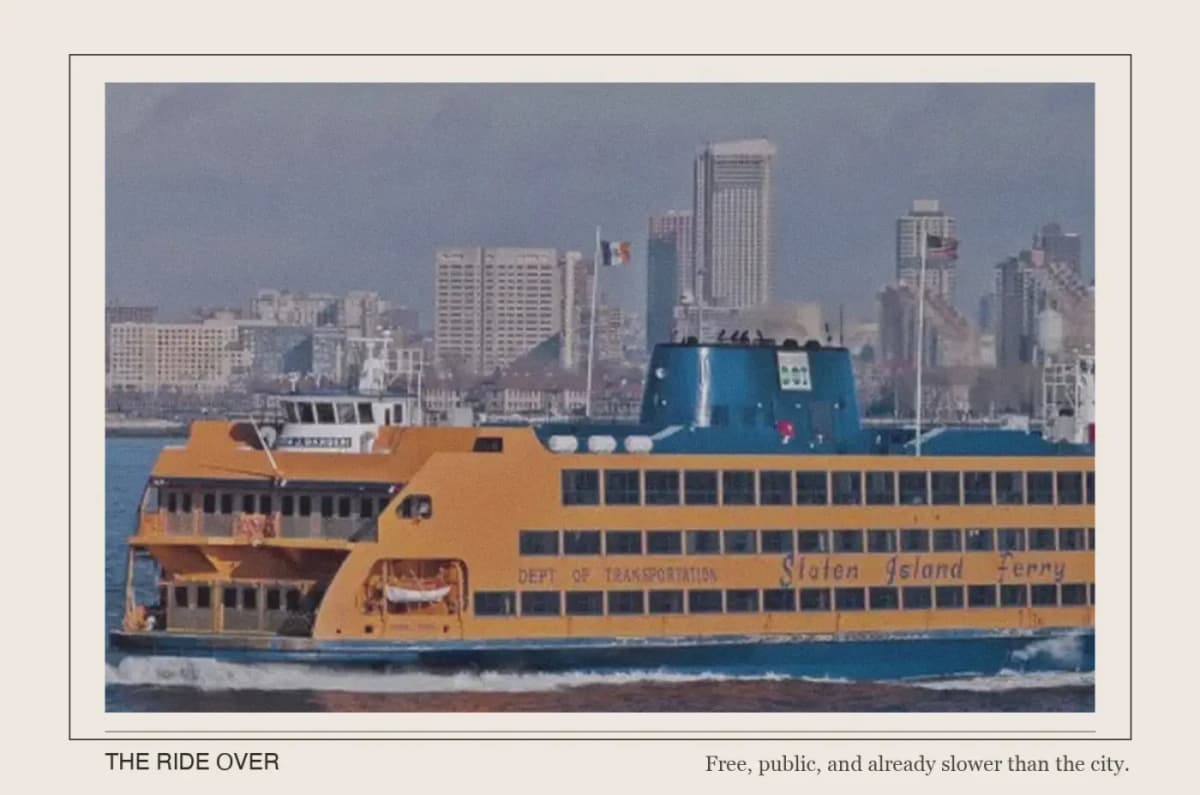
Staten Island Ferry on the harbor. Image via Staten Island Ferry.
The ferry is not filler. It is the first part of the treatment.
From Manhattan, the Staten Island Ferry runs between Whitehall Terminal and St. George. It is free, it runs every day, and it gives you a clean half-hour where nobody can improve the plan. On weekends the rhythm is usually every 30 minutes; weekday rush windows run more frequently. That matters because the recovery starts before the garden. The phone can still exist, but the skyline is doing most of the arguing.
At St. George, take the S40 bus toward Snug Harbor. The ride is about 10 minutes. If you are coming from a long week, do not turn the arrival into a race. The point is not to maximize Staten Island. The point is to get one quiet afternoon right.
Best arrival window: late morning or late afternoon. Midday works if you are heat-tolerant and willing to sit more than walk. I would avoid treating this as an after-dark plan. Treat the campus as a dawn-to-dusk place, while specific gardens and indoor spaces keep their own hours.
The First Quiet Room: New York Chinese Scholar's Garden
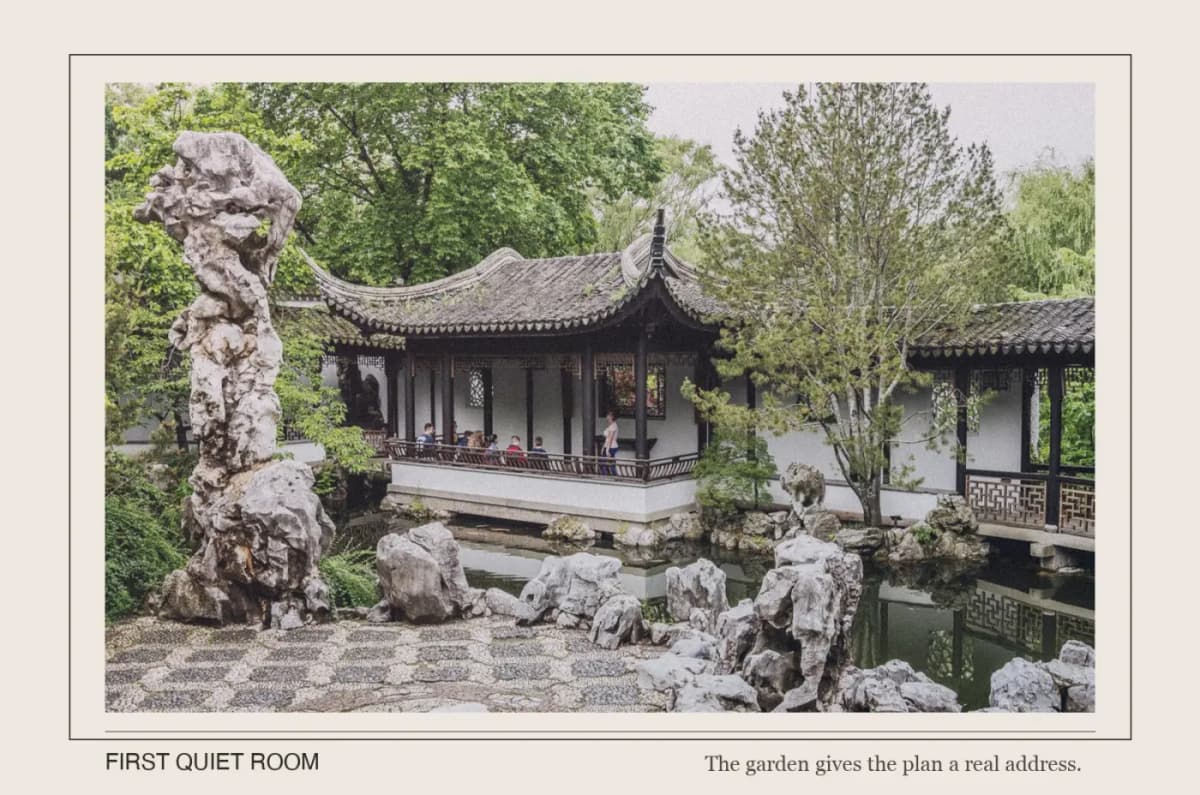
New York Chinese Scholar's Garden at Snug Harbor. Image via I LOVE NY.
Start with the garden if it is open.
Not because it is the most famous part of Snug Harbor, although it is one of the few places in New York that can make a person slow down without sounding sentimental about it. Start there because enclosed gardens change your walking speed. The walls make the outside world less available. Stone, water, pavilions, narrow passages: the place keeps interrupting your usual pace until you accept the new one.
This is where a wellness page can either become useful or become wallpaper. Do not write "go outside and unwind" when the actual move is simpler: enter a garden with edges, sit where the water is visible, and stay until your breathing stops matching the ferry schedule.
If the garden is closed or ticketed at the wrong moment, do not force it. Snug Harbor still works. The better rule is this: use the paid spaces when they line up with the day, but build the base plan on the free grounds, lawns, paths, and outdoor gardens. Recovery should not collapse because one gate is not open.
Let The Campus Do The Sorting
Snug Harbor is not one attraction. It is a campus, and that is why it works.
The historic buildings, garden rooms, museum entrances, farm edges, lawns, and wetlands give the afternoon a sequence without making you overplan. The easiest order is almost a walking map: gardens first, then museums if you need an indoor pause, then memorial spaces only if you can be quiet, then food and the way out. That structure is worth keeping because the grounds are large enough to punish wandering without intention, but generous enough to reward a loose route.
Keep the route simple:
1. Arrive by the north side and orient yourself before choosing a paid garden or museum.
2. Walk one garden room slowly, not three quickly.
3. Use a lawn or shaded bench as the real midpoint.
4. Add one museum only if the weather is bad or your attention is still awake.
5. Leave while the ferry ride back still sounds pleasant.
The best version of the afternoon is not comprehensive. It is repeatable.
Greenhouse Edge, Lawn Time, No Productivity
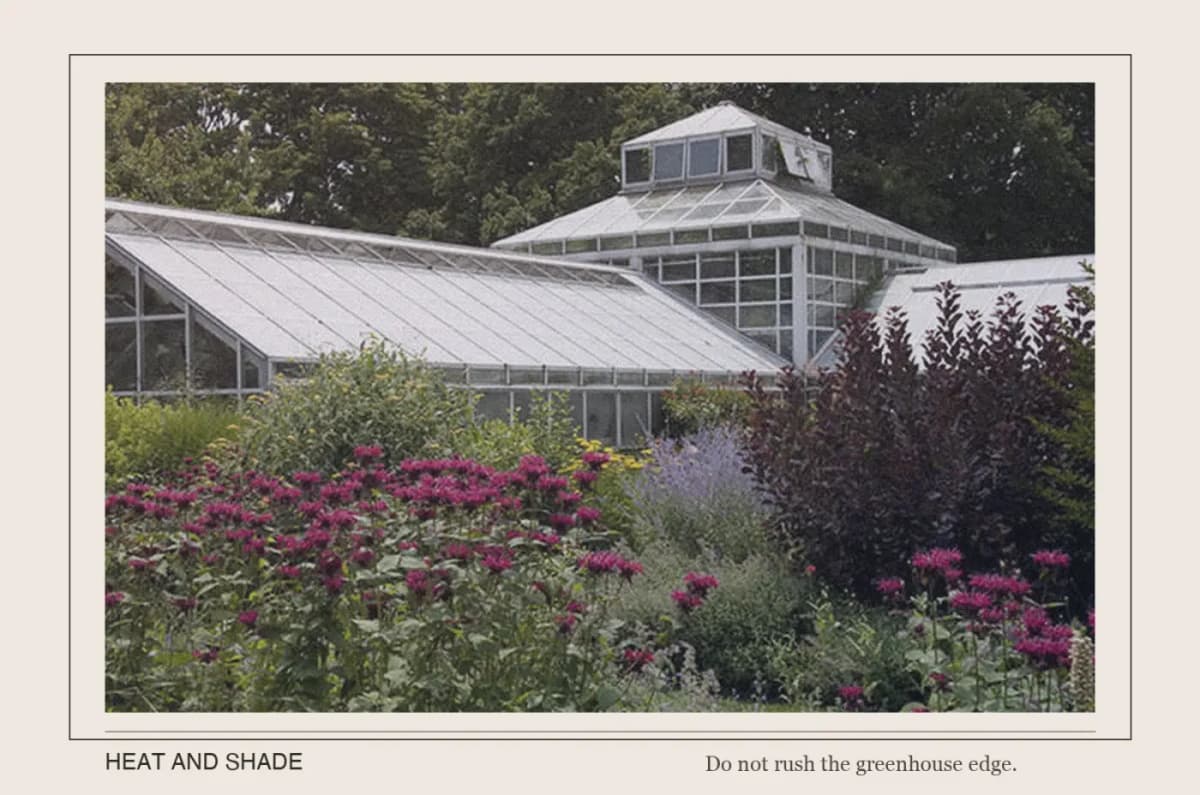
Garden and greenhouse edge at Snug Harbor. Image via I LOVE NY.
The greenhouse and garden edges are where Snug Harbor becomes useful for people who do not want a crowded "wellness" scene.
You can walk without being marched. You can sit without looking stranded. The lawns are open enough for a blanket, but the campus still has structure. Picnicking is allowed around the grounds, including lawns and tables along Cottage Row, and Harbor Eats sits on campus when you need food instead of a concept.
This is the better version of a recovery plan: bring water, bring something low-effort to eat, and do not turn lunch into the headline. If Harbor Eats is open and works for you, use it. If not, the plan still stands.
The room temperature of the day matters. On a bright summer afternoon, move in short sections. Garden, shade, water. Garden, bench, exit. Snug Harbor rewards people who know when to stop.
The Allee Is The Point
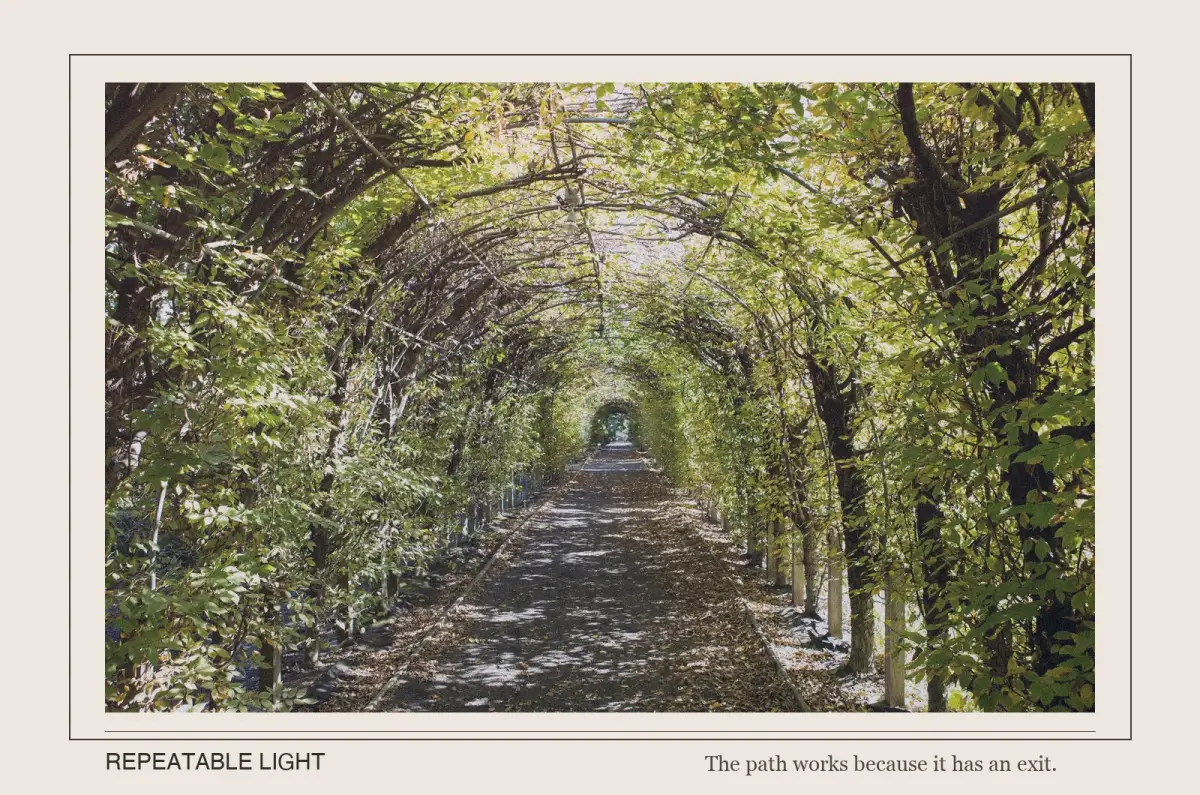
A shaded path at Snug Harbor. Image via I LOVE NY.
The Allee is the part I would save for the hour when the light starts repeating.
It is a hornbeam tunnel, a formal path with enough shade and shape to make the afternoon feel edited. The pleasure is not dramatic. You walk through it, turn around, and understand why repeating a place can be better than collecting a new one.
Dan Slowlight rule: stay long enough for the light to come back to the same surface.
That does not mean spending the whole day here. It means giving one place enough time to stop being a backdrop. In a city that keeps selling "escape," Snug Harbor is better read as a controlled return: back to walking, back to sitting, back to noticing whether the path is getting cooler.
Add A Memorial Only If You Can Be Still
The Healing Garden deserves a different pace.
It is not a wellness prop. It is a one-acre landscaped memorial at Snug Harbor dedicated to Staten Islanders killed on September 11. The garden has a winding hillside path, benches, planting, and a reflecting pool filled in summer. That is enough. Do not use it as scenic filler.
If you go, go quietly. If the day is social, skip it. A good route knows when a place is asking for attention, not atmosphere.
If You Need Actual Woods, Use The Greenbelt As A Second Plan
The Greenbelt is the more physical option, not the automatic add-on.
Staten Island's Greenbelt has a full trail system with six major trails. The one-mile Nature Center Trail is level, short, and suitable for novice hikers, while longer routes like the Blue, White, Red, and Yellow trails ask for more time and attention. Its natural areas are open year-round from dawn to dusk, though parking areas may close earlier.
That makes the Greenbelt right for someone who came for walking, not just looking. It also makes it a separate plan unless you are starting early, wearing real shoes, and willing to trade garden softness for trail decisions.
My take: do Snug Harbor first. Save the Greenbelt for a morning when the body wants woods, not just relief.
Reality Check Before You Leave
Check the current garden and museum hours before you go. The campus grounds may be broad and forgiving, but individual spaces are not always open on the same schedule.
Bring water. Wear shoes that can handle lawns, gravel, and short bus walks. If you are heat-sensitive, go late afternoon and build the plan around shade rather than ambition.
Treat SummerStage as an optional layer only when a listing names a Staten Island venue and date. A citywide calendar does not replace a real route. The Staten Island plan needs a place you can actually enter, sit in, and leave from without negotiation.
Who This Is For
This is for the person who is not trying to have a big day.
It works for a solo reset, a low-pressure date, a friend who wants to talk without a bar around the conversation, or a visitor who has already done the skyline version of New York. It does not work if you need constant programming, late-night energy, or a tight checklist of "best" stops.
The best part is the return. You get back on the ferry with the same city in front of you, but the light has changed. That is enough.
2 places