Breckenridge's Haunted History Is Spread Out, So This Tour Drives
A vehicle, four timed stops, and the mining ground a walking ghost tour cannot reach — the 1882 cemetery, two mines and the railroad park, covered in one evening.
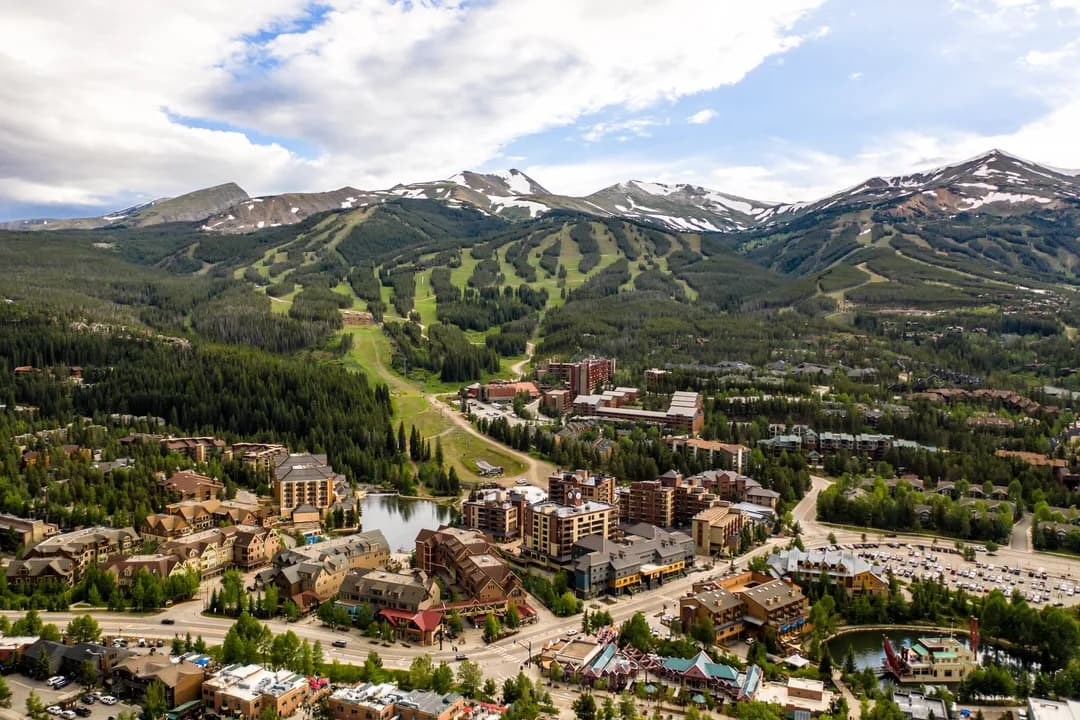
Breckenridge's ghost stories do not sit in one place. The cemetery is north of town on Airport Road. The Country Boy Mine is east, up French Gulch. The Washington Mine sits further along the same drainage, and the railroad park is south on Boreas Pass Road. A walking ghost tour picks one of those and stays there.
This one books a vehicle instead, and the itinerary is unusually honest about what that buys you. The four timed stops add up to thirty minutes on your feet — eight, seven, seven and eight — inside a tour that runs two and a half hours. The rest is road. That ratio is the product: the driving is not filler between the good parts, it is the thing that puts four scattered sites into one evening.
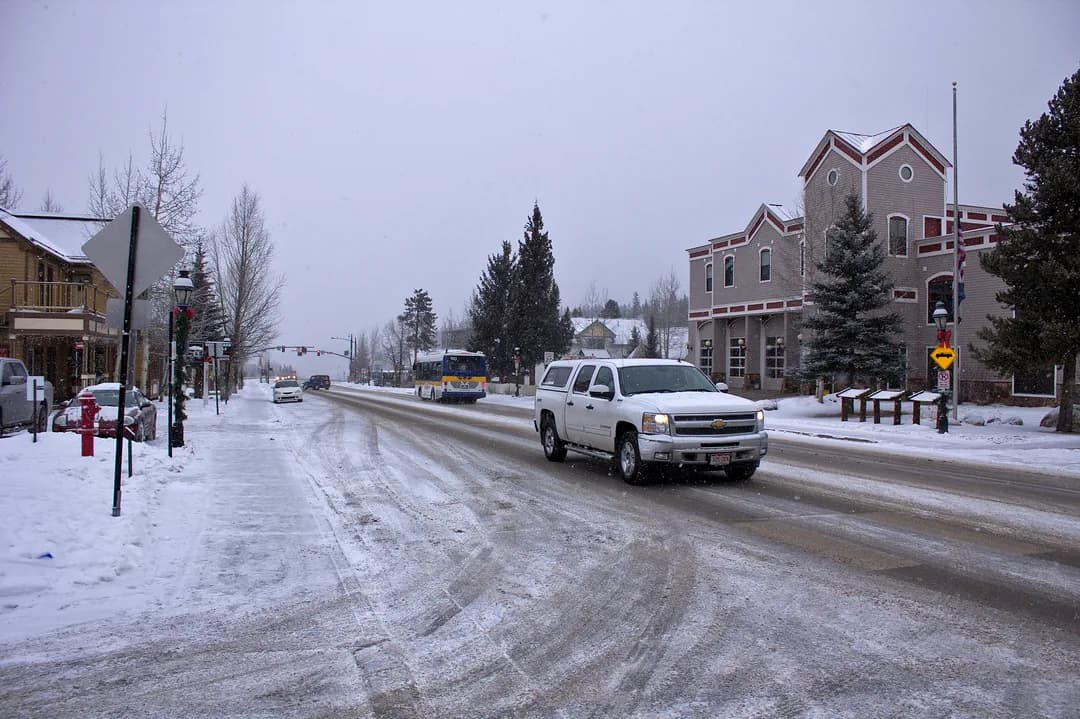
Departures are at 7:00 pm, Thursday through Saturday. You meet at Breckenridge Station on West Watson Avenue — the booking page adds "next to the parking garage," which is a more useful direction than it looks, since that garage is where most visitors have already left the car. One pickup point outside town is listed as well.
The operator is Summit Tours, which its own site describes as "a natural extension of Summit Express," the Summit County shuttle company; Summit Express lists Breckenridge Station at 150 Watson Avenue as its Breckenridge address, which is the same door you are told to stand at. Guiding is in English only and the vehicle is air-conditioned. Every traveller pays USD 89, whether they are six or sixty-six — there is no youth or senior rate, and a booking will not complete without at least one adult on it.
 Breckenridge After Dark: Haunted History Driving ExperienceTwo and a half hours after dark with an English-speaking guide and an air-conditioned vehicle. Departs 7:00 pm Thursday to Saturday; one booking carries up to thirteen travellers.www.viator.com
The Cemetery Opens the Evening Rather Than Ending It
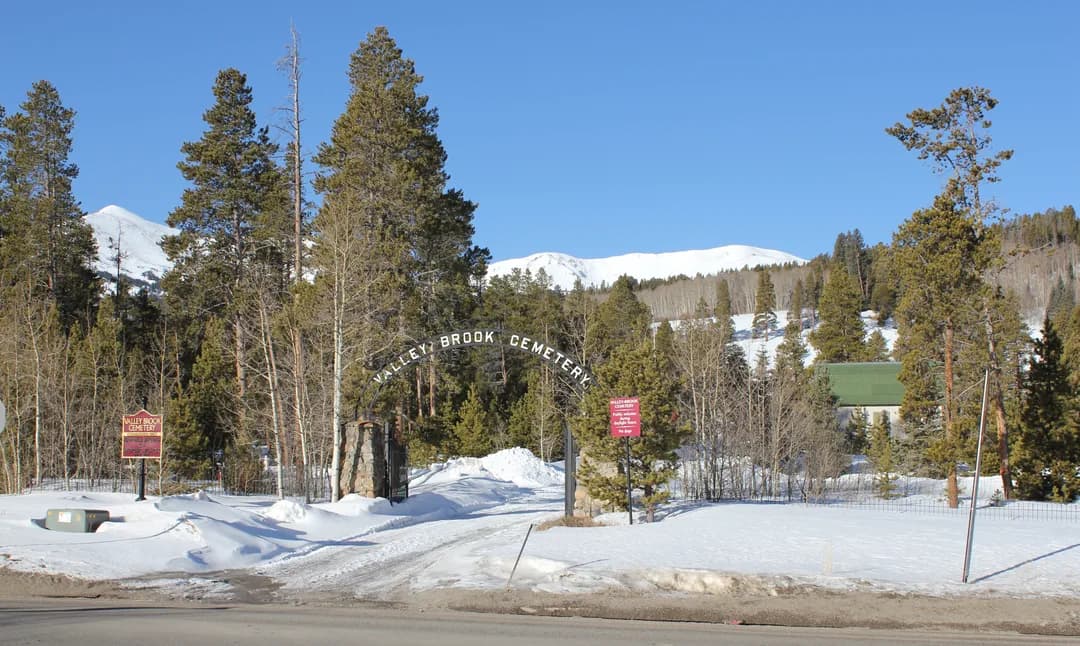
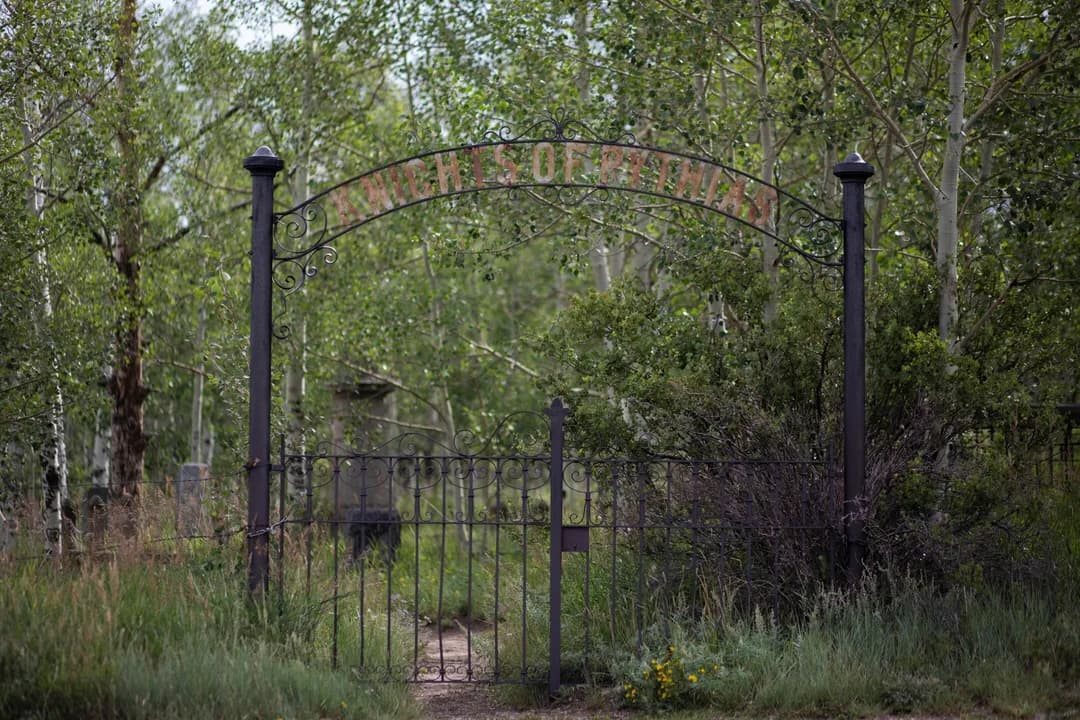
Valley Brook Cemetery is the first stop, and it is eight minutes at the gate rather than a walk through the rows. The National Register nomination dates the ground to February 1882, when William McAdoo handed the town a piece of his placer mining claim to bury people in. The gold rush had been running two decades by then, which is why the earliest plots read less like a town's dead than a rush's.
The fraternal orders took ground here, and not modestly. The same nomination records that Breckenridge Lodge No. 47 reserved a full third of the cemetery rather than buying plots one at a time; a separate arch on the property reads Knights of Pythias. Lodges carried burial for their members when nobody else would, which in a camp full of men a long way from home was less a courtesy than an insurance policy.
Up French Gulch, the Superstitions Were Working Conditions
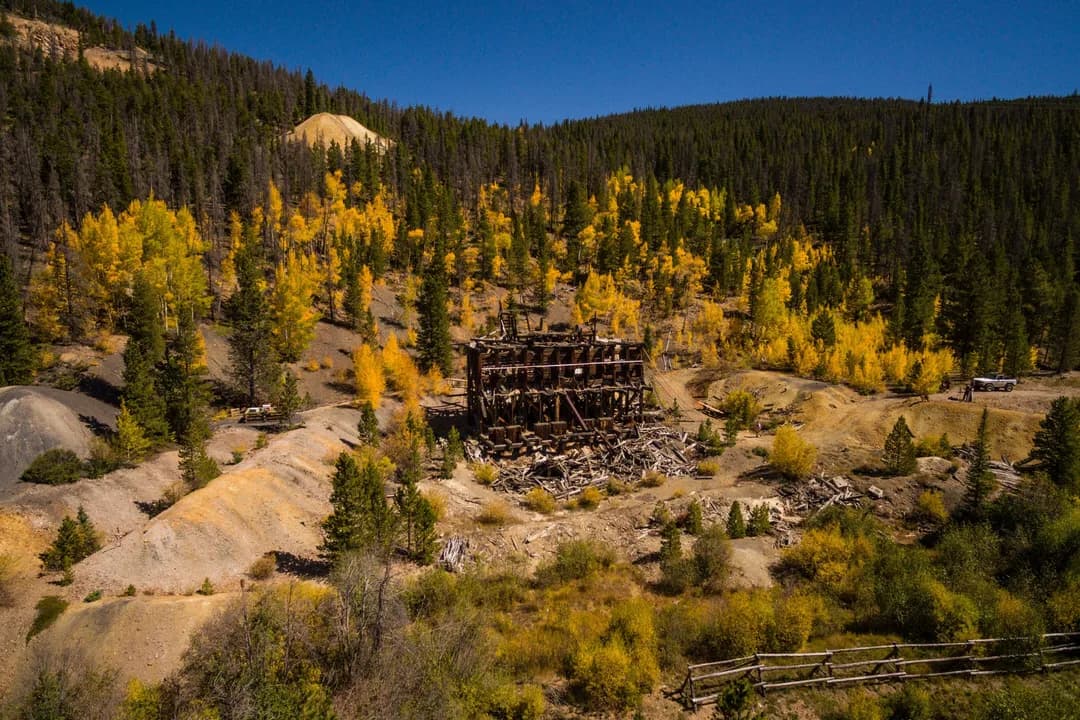
The Country Boy Mine sits in French Gulch, and the order of what came out of it is worth getting right. The booking page says gold and silver first, then high-grade lead and zinc. The United States Geological Survey's study of the district, published in 1911 from fieldwork two years earlier, puts the sequence the other way round: silver-lead ore carrying some gold from the beginning, and only the high-grade zinc afterwards. The same survey dates steady production to "about 1889," where the mine's own site says 1887.
The Washington Mine, further up the gulch, is where the superstition stop happens. It is worth knowing that the site is a reconstruction rather than a ruin left standing, and that Breckenridge History, which runs it, says the milling equipment on display was acquired from museums in Leadville and Colorado Springs rather than left behind here. The interpretive panel, though, is blunter than most tour patter. It records that whistling underground "scared away rich ore and tommyknockers," and that miners left crumbs from their lunch buckets to keep the knockers happy. The same panel allows that those knockers could show a trapped miner the way out after a cave-in, and does not treat holding both ideas at once as a contradiction worth smoothing over.
The Railroad Stop Is Where the Winter Stories Start
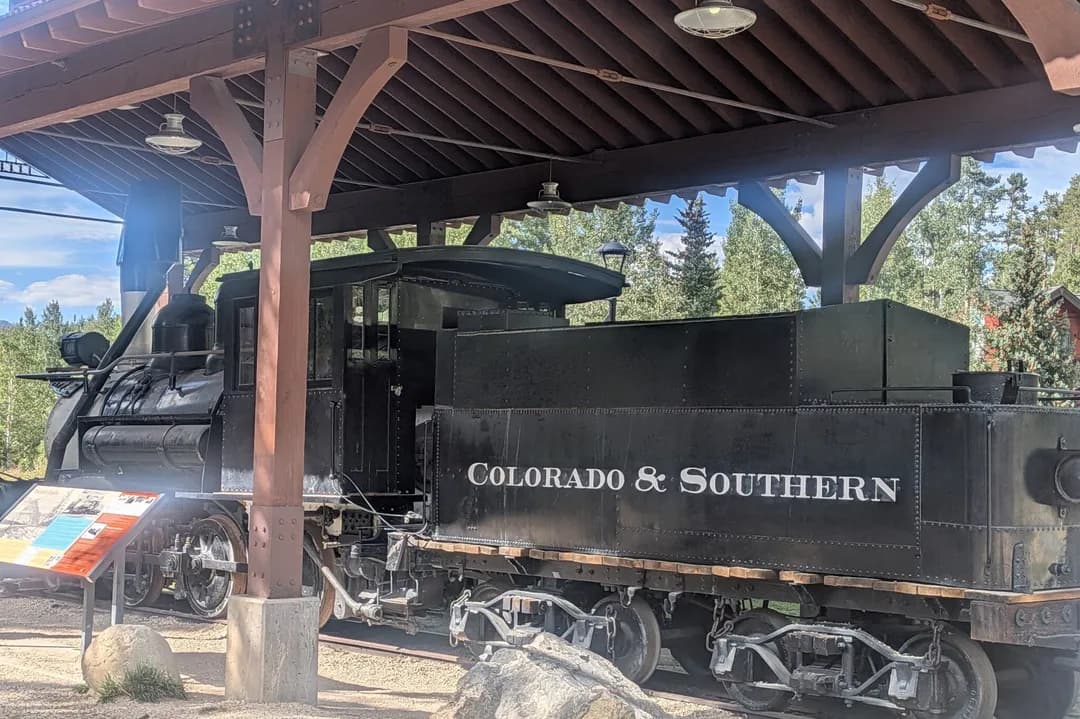
High Line Railroad Park is the last timed stop — eight minutes among narrow-gauge equipment that includes Breckenridge's Engine No. 9 and a rotary snowplow, a machine built for precisely the problem the guide describes next.
That problem is the "Big Snow" of 1898–99, when drifts shut the line down and, by the booking page's account, residents tunnelled through snow to move around town. The same stop sets up a hotel robbery, a fatal pursuit, and a gold watch that resurfaced years later. Those last three details we could not match to a primary source in time for publication, so read them as the tour's telling rather than as settled record.
What the Route Does Not Do
Main Street appears on the itinerary as a drive-by rather than a stop — the booking page marks it that way, and it is the one place on the route you could walk yourself in daylight for nothing. The written description also ends the evening at one of the town's saloons. That finish is not in the structured itinerary, so take it as the operator's intention for the night rather than a booked inclusion.
Fitness is genuinely not a variable here. The listing's accessibility note reads "suitable for all physical fitness levels," and with four short stops and a seat between each of them, this is the uncommon case where that line means what it says instead of hedging.
Book by the middle of the day before: the cutoff is twelve hours ahead of the 7:00 pm departure, and confirmation is instant. Cancelling more than twenty-four hours out returns the full fare, and inside twenty-four hours returns nothing. One booking carries up to thirteen travellers and has to include at least one adult.
The schedule is published in short blocks rather than one open season. Thursday to Saturday is the pattern, but the run currently loaded ends in mid-December, with the next block opening the following autumn — so pick the date before you plan the evening around it.