At Savannah's Bonaventure, a Guide Translates What the Statues Mean
Two hours walking the oak avenues with a guide who reads the carved lambs, broken columns and seated marble figures as the vocabulary they were built to be.
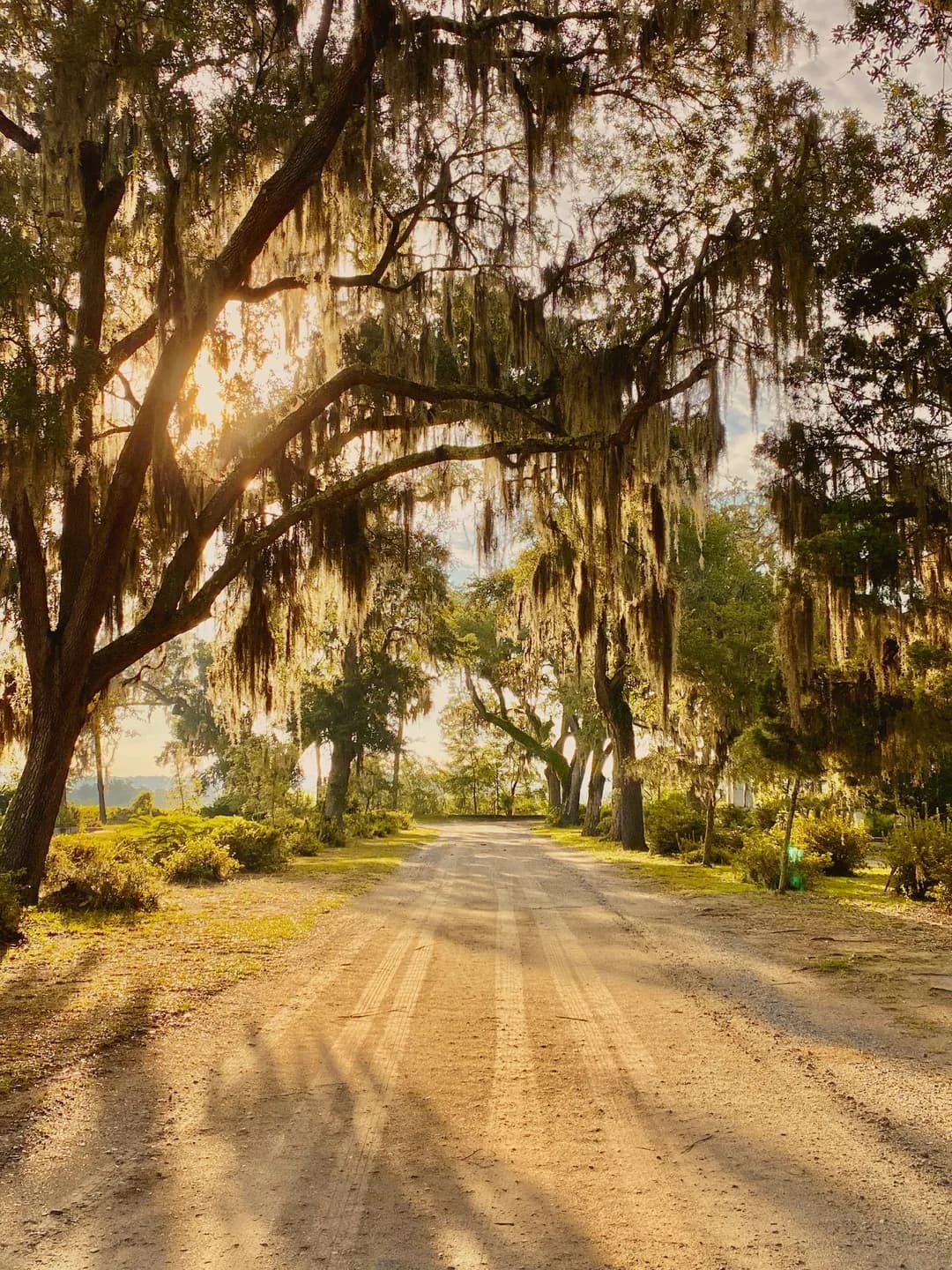
Bonaventure sits on a bluff above the Wilmington River southeast of downtown Savannah, and it registers as landscape before it registers as cemetery. Live oaks hung with Spanish moss close over the lanes. The grounds were a plantation before they were a burial ground, and the City of Savannah did not take them over until 1907, sixty-one years after the cemetery itself was laid out in 1846. What a first-time visitor notices is the sculpture: marble figures seated among the azaleas, lambs curled on children's headstones, columns snapped off partway up. Nearly all of it is legible, provided someone hands you the grammar.
This walk spends 120 minutes in the older sections with a guide whose subject is the art and the record, not a ghost script. One booking takes up to thirty travelers, and the route stays on foot the whole time.
 Bonaventure Cemetery Scenic History, Art and Symbols TourTwo hours in Bonaventure with a guide covering grave art, Victorian symbolism and the cemetery's long run as a filming location. Meets at the visitor parking area.www.viator.com
Reading the Marble
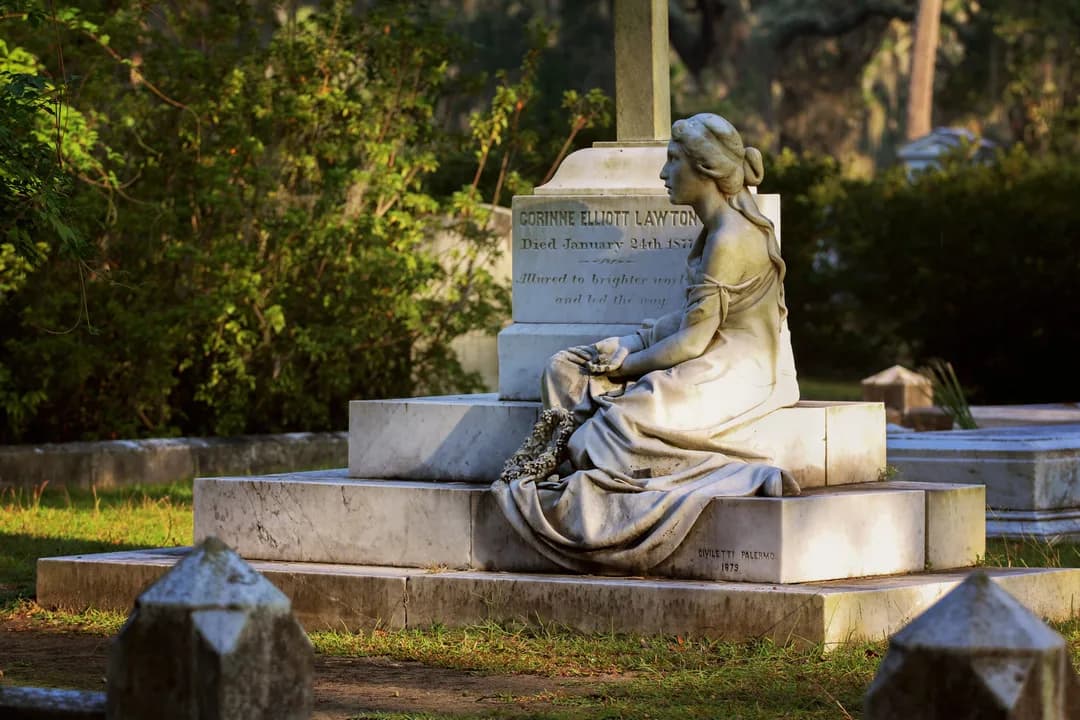
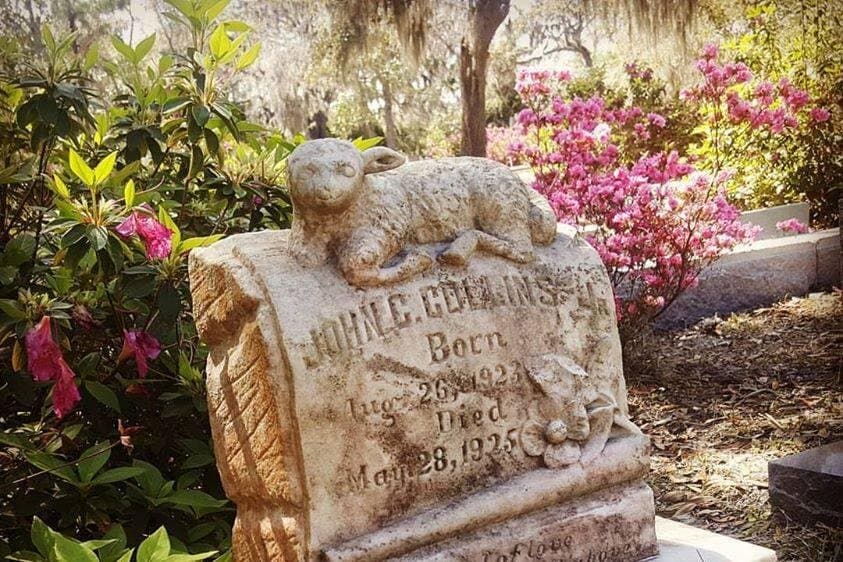
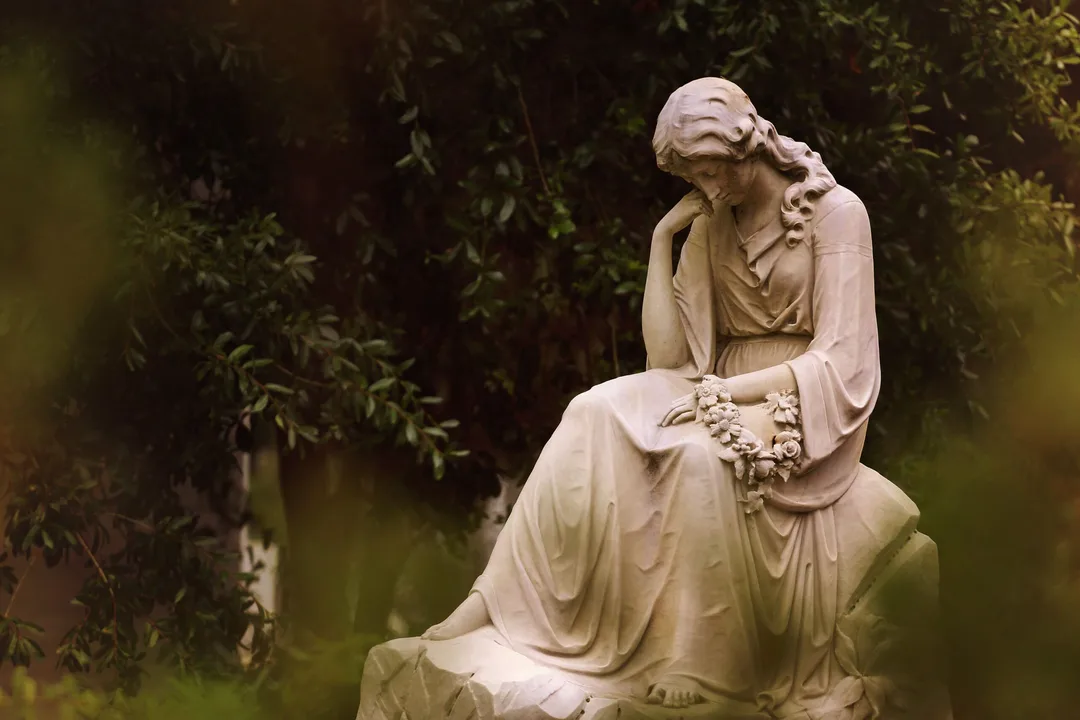
Victorian funerary carving ran on a shared vocabulary, and Bonaventure holds a dense sample of it. A lamb on a headstone marks a child's grave, almost without exception. A column broken partway up stands for a life cut short. Draped urns, clasped hands, anchors and inverted torches each carried a settled meaning for the families who paid for them. The guides work through these in front of the actual stones and never from a handout, which is the whole distance between being told a cemetery is beautiful and being able to read one. Several of the larger monuments are signed work: the Corinne Elliott Lawton memorial and the Gracie figure both came from trained sculptors working on commission.
Little Gracie, and the Statue That Left
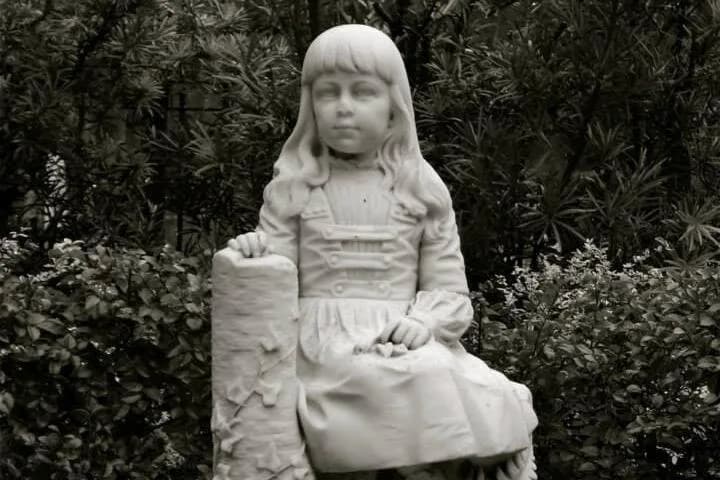
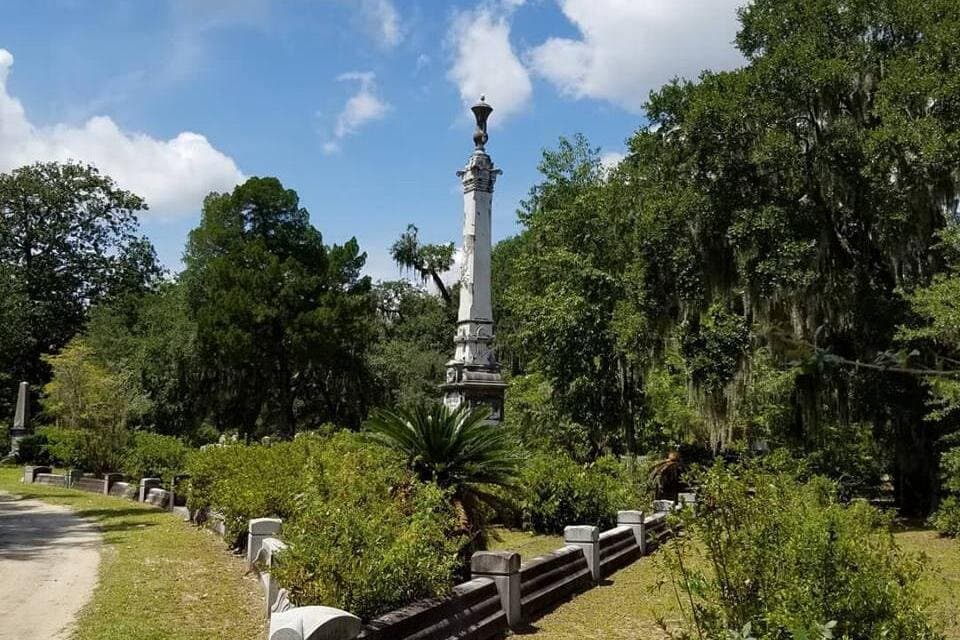
Gracie Watson died of pneumonia in 1889, aged six. Her father commissioned the Savannah sculptor John Walz to carve her from a photograph, and the life-size marble was finished in 1890. It is still the most visited grave on the grounds, and it now sits behind a low fence after decades of handling.
The other statue people arrive looking for is no longer here. The Bird Girl, photographed by Jack Leigh for the cover of Midnight in the Garden of Good and Evil, stood on a Trosdal family plot in near anonymity until the book made it famous. The volume of visitors that followed was heavy enough that the family withdrew it in 1997, and it has been on view at the Telfair's Jepson Center since late 2014. Guides on this tour walk you to the spot where it stood and carry the story from there. Knowing this before you arrive saves a long and fruitless search.
The Ground Itself
The cemetery covers 160 acres along the bluff, and the tour stays within the historic sections, so expect a walk, not a tour of the whole property. Surfaces alternate between paved lane and packed sand, with uneven patches and exposed roots throughout. The operator lists the tour as wheelchair accessible while stating plainly that the uneven ground may require a helper, and asks for at least a moderate level of physical fitness. Prams and strollers are fine. Service animals are permitted. Tours operate in all weather, so dress for the forecast: the oak canopy is generous shade in August and no help whatsoever in rain.
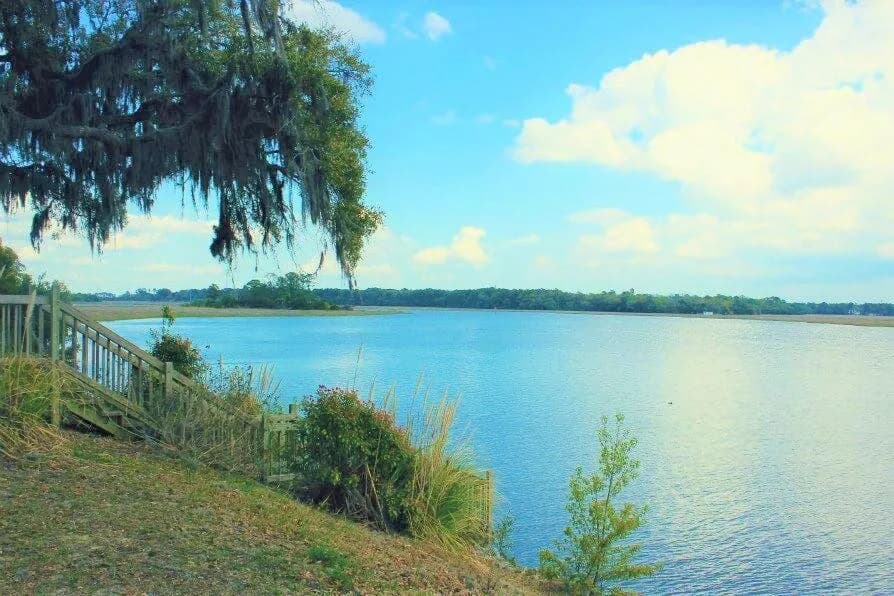
John Muir slept out here for six nights in 1867 while waiting on money to reach him, and wrote the place up afterward. The view over the river he described is the view you still get.
Getting There and Settling the Details
Departures meet at the Bonaventure Cemetery visitor parking area, 330 Bonaventure Road in Thunderbolt, on the southeast side of the city. Hotel pickup and drop-off are not part of this booking, so plan on driving yourself or arranging a ride. Your confirmation carries the parking and meeting instructions, and the operator asks that you read them the night before and not in the car.
Guiding is in English. Gratuities sit outside the ticket price, and a DVD and signed poster art are sold separately on the day. The listing refunds in full if you cancel at least twenty-four hours before the scheduled departure time.
The hour worth booking is late afternoon, when the sun comes straight down the oak avenue at a low angle and the moss lights up from behind. Walk out of here able to tell which carved lamb belongs to which family, and the place stops being scenery and starts being a record.