Artist Point at the Start, Mud Pots at the End
A guided day hike that leaves the canyon's most photographed railing and ends at a thermal basin with no boardwalk.
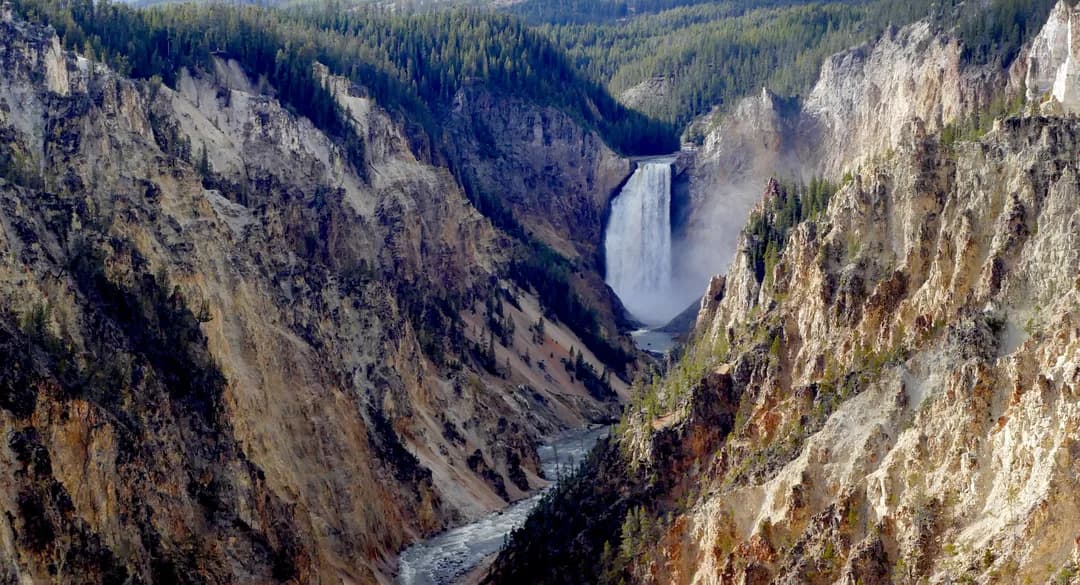
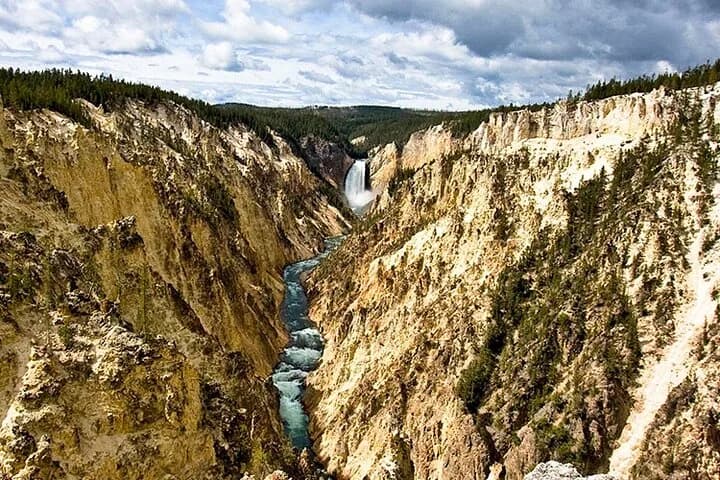
Most people meet the Grand Canyon of the Yellowstone at a railing. Artist Point is the overlook that frames the waterfall down the length of the canyon, and the usual visit is a photograph and a drive onward.
This day starts in the same place and then keeps going. The trip is sold as a private departure. The only people on the trail are the ones on your booking. The guide carries lunch, hands out trekking poles, and sets the distance against what your group says it wants. Twenty-one reviews put the trip at 4.95.
Departures run from Canyon Village, and the booking page lists one option, led in English. A booking takes up to seven travelers and has to include an adult, and the per-person price falls with every traveler you add.
 Grand Canyon of the Yellowstone Day HikePrivate guided day hike from Artist Point into the backcountry, with trekking poles, snacks and a picnic lunch carried by the guide.www.viator.com
Where the Railing Ends
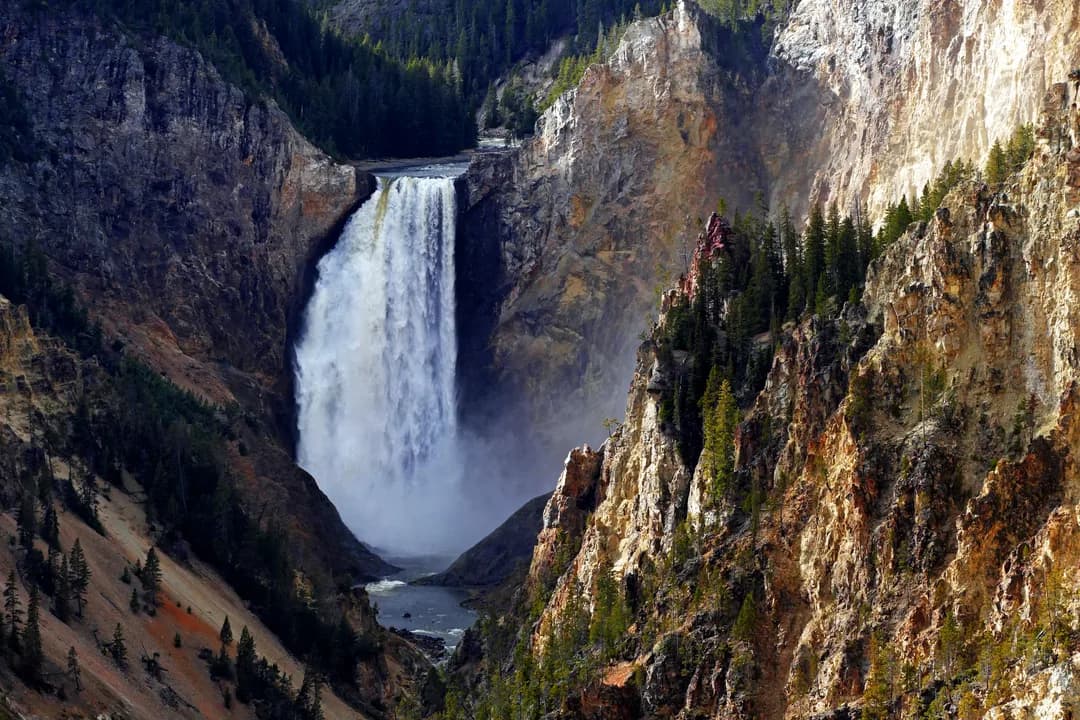
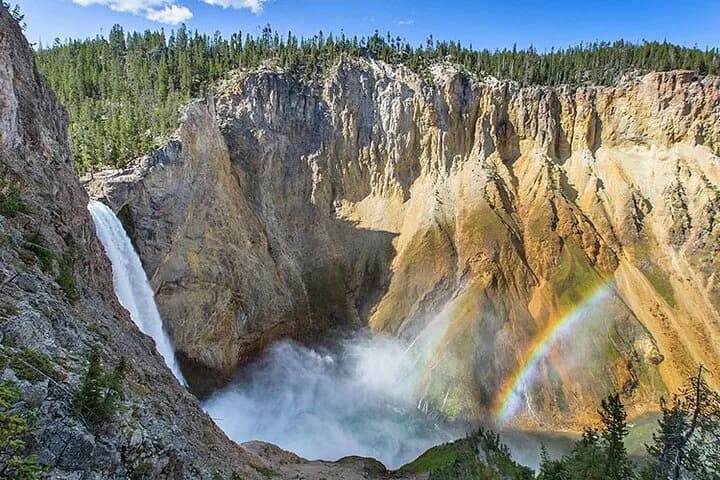
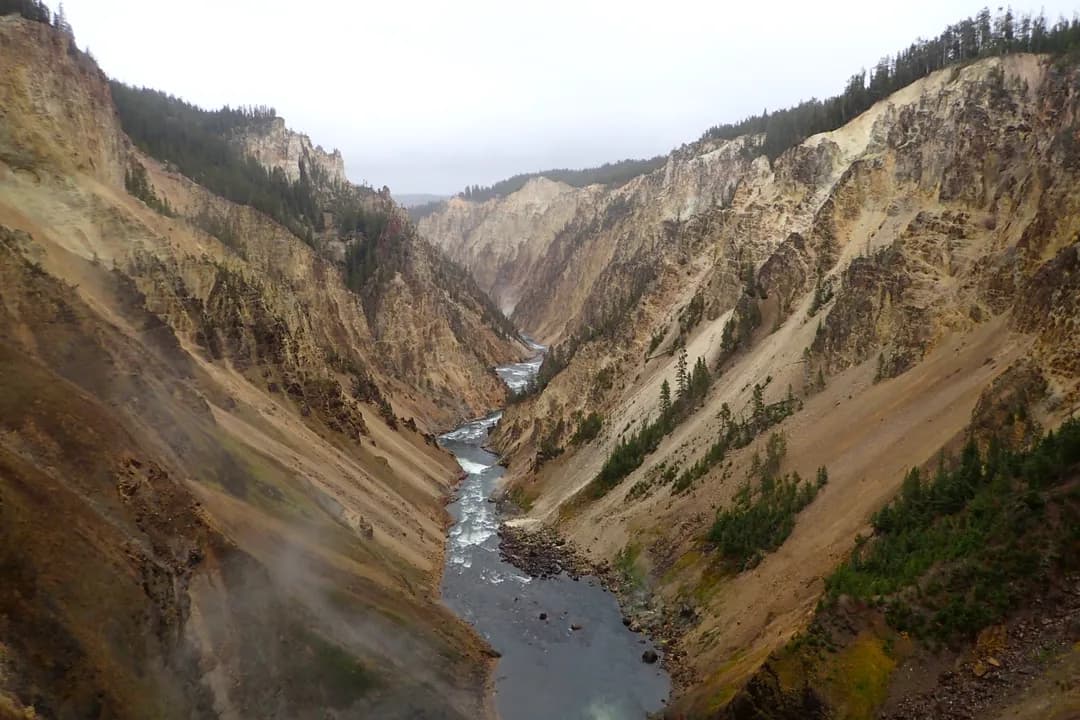
The overlook crowd thins quickly once the paved path runs out, and the route stays with the canyon for a while before turning away from it.
The trail system here bends to the group. The day can be built anywhere between 3.5 and 8 miles, with a couple of variations in between, and the operator says every version covers the highlights. Say which length you want when the guide calls, and that answer picks the route.
The distance is the only number that moves much. The operator rates the day 2 out of 5 for difficulty, puts the maximum daily climb at 250 feet, and calls the trail well graded and maintained. There is some exposure near the canyon edge, and the operator says a group that would rather keep away can stay ten or more feet back and still walk the whole route.
Forest, Lakes, and Steam Out of Bare Ground
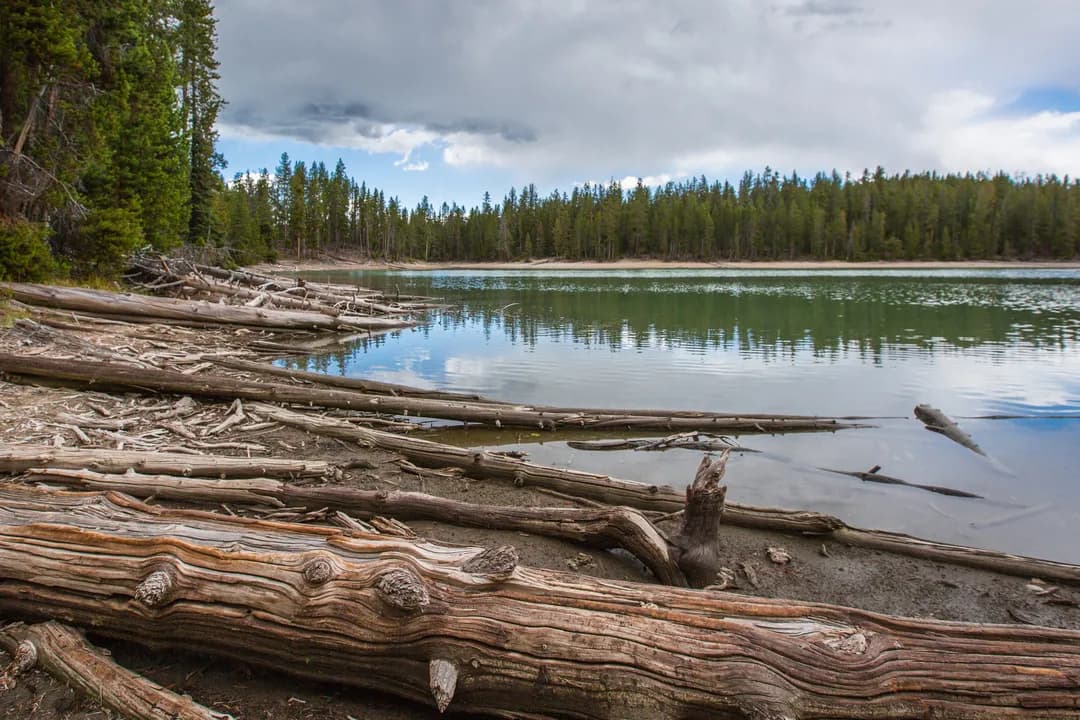
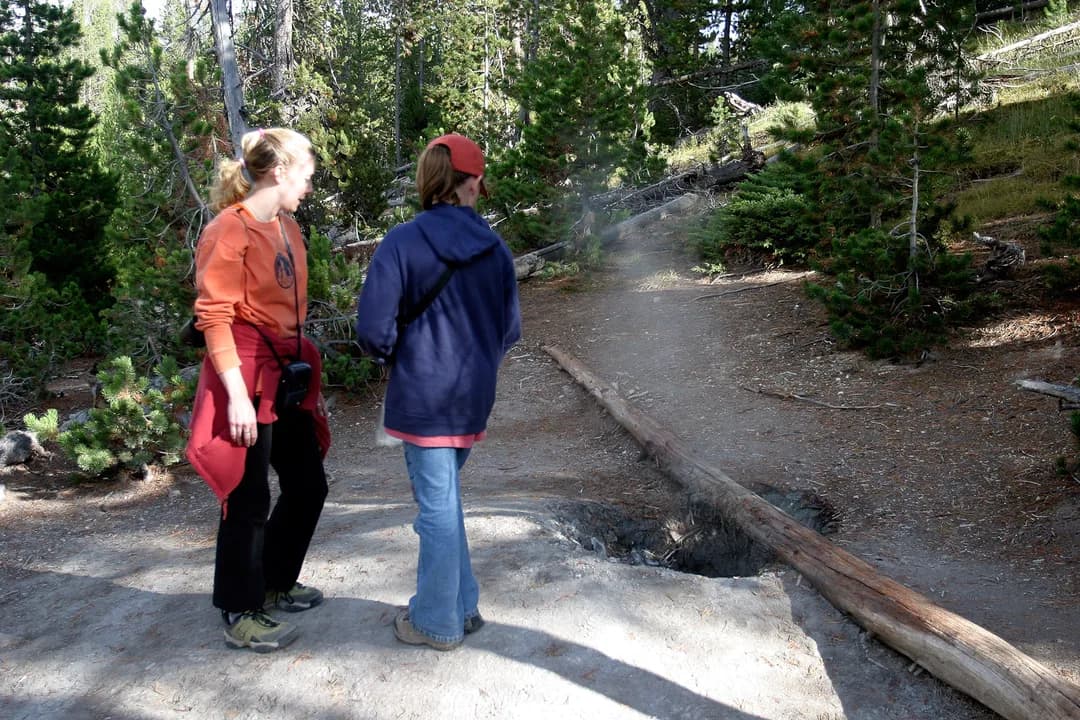
Past the canyon the route turns inland through forest and opens onto meadows and small lakes. The operator describes this as the stretch where the crowds fall away.
The last zone is the reason this one is done on foot. The route ends at a backcountry geyser basin, where mud pots and fumaroles sit in open ground away from the roadside crowds. Lunch happens somewhere along the way, at a spot the guide picks.
What the Day Actually Costs
The headline number on the booking page is the two-person rate. This is a private departure. The per-person price moves with the size of the party, and a solo booking sits well above the rest.
- One traveler: USD 645 per person
- Two travelers: USD 315 per person
- Three travelers: USD 285 per person
- Four or five travelers: USD 255 per person
- Six or seven travelers: USD 220 per person
A backpack, trekking poles, snacks and lunch are in the price. Bottled water and transport are not. You drive yourself to the meeting point, and the operator asks you to bring two liters of water capacity of your own.
The Fees That Are Not on the Booking Page
Yellowstone charges its own entrance fee and this trip does not cover it. A private vehicle pass costs USD 35 and admits the car and everyone in it for seven consecutive days. Arriving on foot or by bicycle costs USD 20 per person aged 16 and over.
Non-US residents aged 16 and over pay a further USD 100 per person on top of the standard entrance fee. The America the Beautiful Non-Resident Annual Pass costs USD 250 and covers that USD 100 fee for the pass holder plus three more nonresidents aged 16 and over. The park's own annual pass, at USD 70, is sold only to US citizens and residents.
Timing the drive matters at the edges of the season. The park lists the Norris to Canyon Village road as open April 17 to October 31 in 2026, and Dunraven Pass, the approach from Tower Fall, as closing earlier on October 12.
The booking page names Canyon Village Visitor Center as the meeting place, and the guide calls about a week before the date to settle the exact time and spot. Departures are listed every day of the week, and the calendar opens a summer season running from early July to late September. Wildland Trekking appears on the park's own list of companies authorized to run guided interpretive tours in Yellowstone, and it says every hiking guide on its roster holds a wilderness first responder or EMT certification.
The listing asks for at least a moderate level of physical fitness and flags the trip as not recommended for travelers with spinal injuries, poor cardiovascular health, or who are pregnant. All sales on this listing are final, and the operator says it runs hikes in almost all weather and very rarely cancels. So the weather question is a packing question. Bring hiking shoes, a rain shell, and a warm layer for spring or autumn dates. The operator's own kit list requires all three.