
An Electric Catamaran Glides Past Elkhorn Slough's Floating Otters
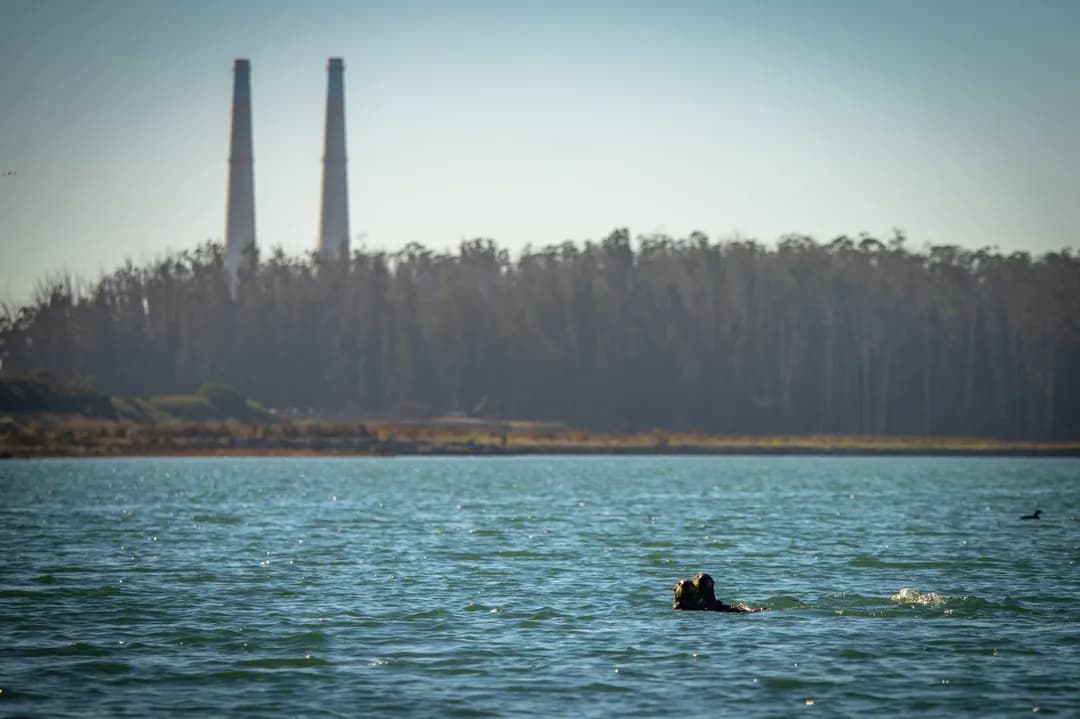
Elkhorn Slough is a tidal channel off Highway 1 between Santa Cruz and Monterey. The falling tide uncovers the eelgrass beds, and that is when the otters raft up to sleep.
The slough is a tidal channel, and the tide is the whole mechanism. When the water drops it uncovers eelgrass beds and mudflat, and the sea otters roll themselves up in the exposed grass to sleep. When it comes back up it pushes ocean water inland, and jellyfish ride in with it.
The ride is ninety minutes. It leaves from a booth in a parking lot at 10932 Clam Way, a few minutes off Highway 1 in Moss Landing.
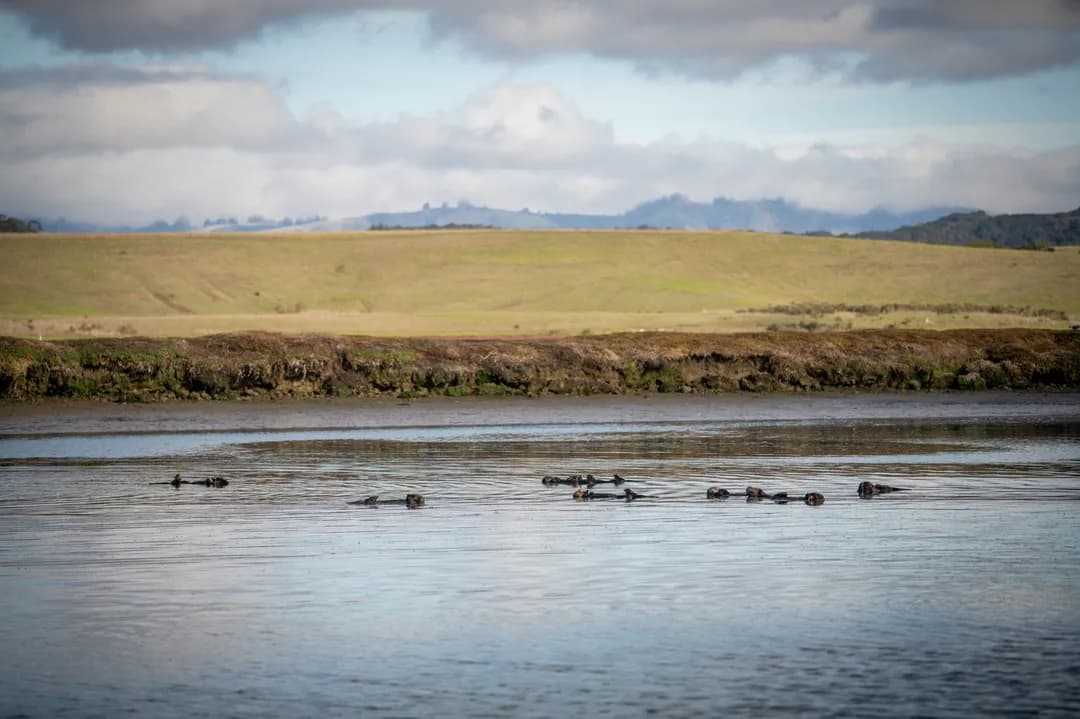
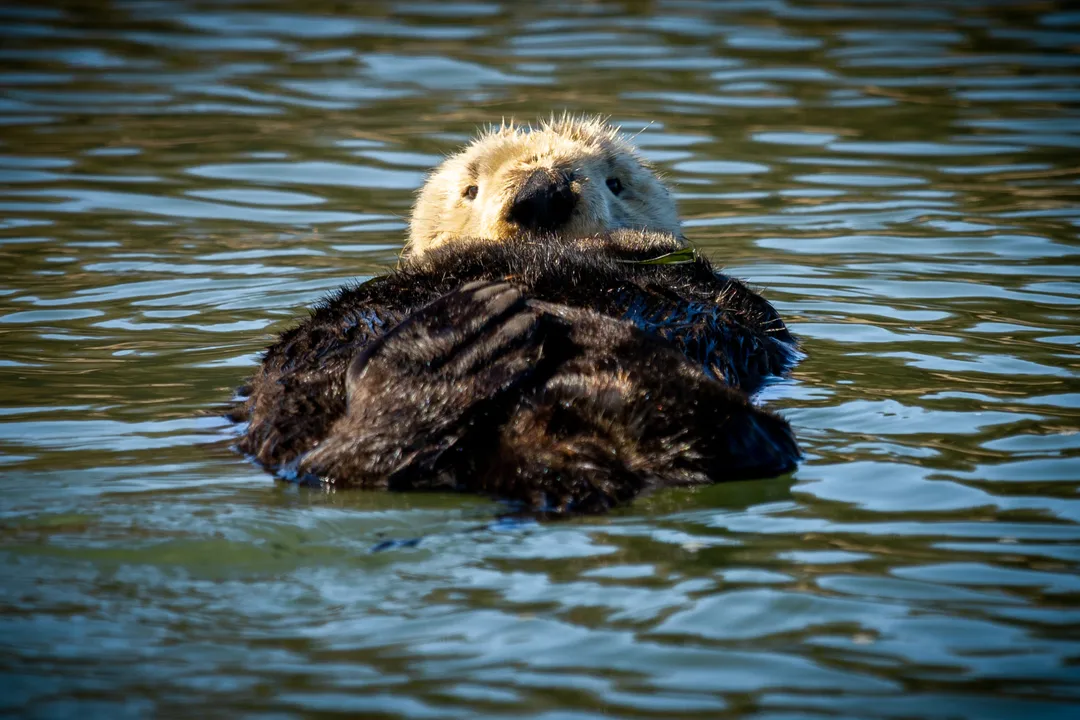
Otters are why most people book, and the operator is unusually direct about it. Its own site carries a money-back promise: see otters on a daily tour, or get your money back. That promise is the operator's own, published on its own site, and it does not say how to claim it or whether it reaches a booking made through this page. Ask the operator how a claim works before you pay, not when you are already at the booth.
Sea Otter Savvy, the group behind the certification, lists the operator as a Certified Wildlife Steward and dates it to December 2020. Distance is also the law here. The harbor district's ordinance for Elkhorn Slough holds motorized vessels to four knots or no wake, and says vessels shall not approach seal haul-outs or otters. So the rafts stay at a remove, and a zoom lens earns its weight on this trip. Otters here have pups year round, so a sleeping raft often has a small one tucked on a chest.
 Elkhorn Slough Wildlife Tour aboard the El CatNinety minutes on a 37-foot electric catamaran out of Moss Landing, with a naturalist narrating. From USD 45 per person.www.viator.com
Low Tide Brings the Rafts, High Tide Brings the Jellyfish
The operator lays the tide out plainly on its own site.
- Low tide exposes the eelgrass and the mudflat. Otters raft up to sleep in the grass, and the birds work the newly uncovered feeding ground.
- High tide pushes ocean water up the channel. Jellyfish come in with it, and the otters are more often feeding than sleeping.
- Mornings generally carry the better weather and the better light, because the wind in Moss Landing tends to build through the afternoon in spring.
- Afternoons carry the better odds on sun, and the worse odds on staying warm.
Five departure times sit in the booking calendar, at ten, eleven, twelve thirty, two and three. The eleven and the two carry far more open dates than the other three. So the move is to find the low tide you want on the NOAA tide table for Moss Landing, which the operator links from its own site, then take whichever of those two lands nearest to it.
The Otters Have Company on Every Mudbank
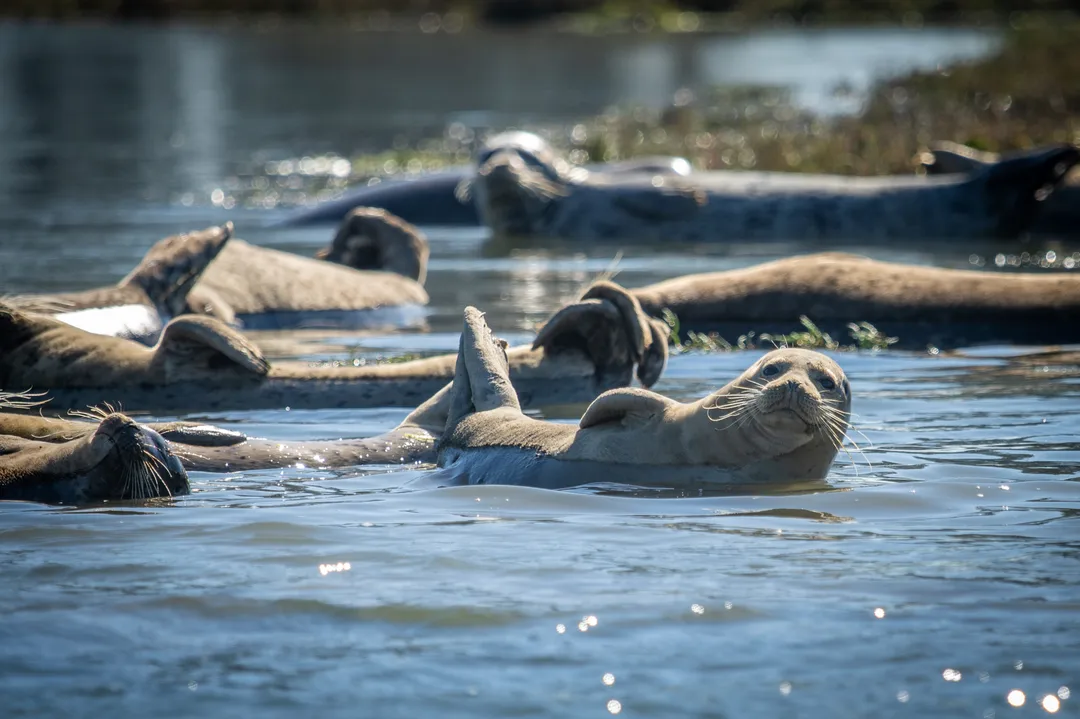
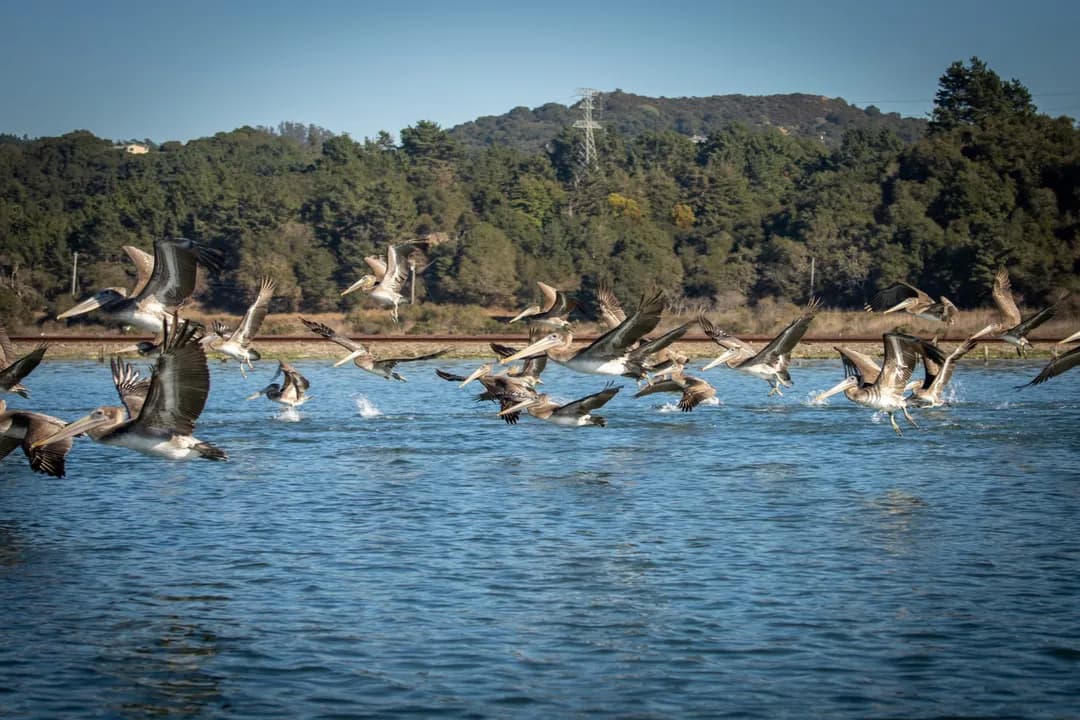
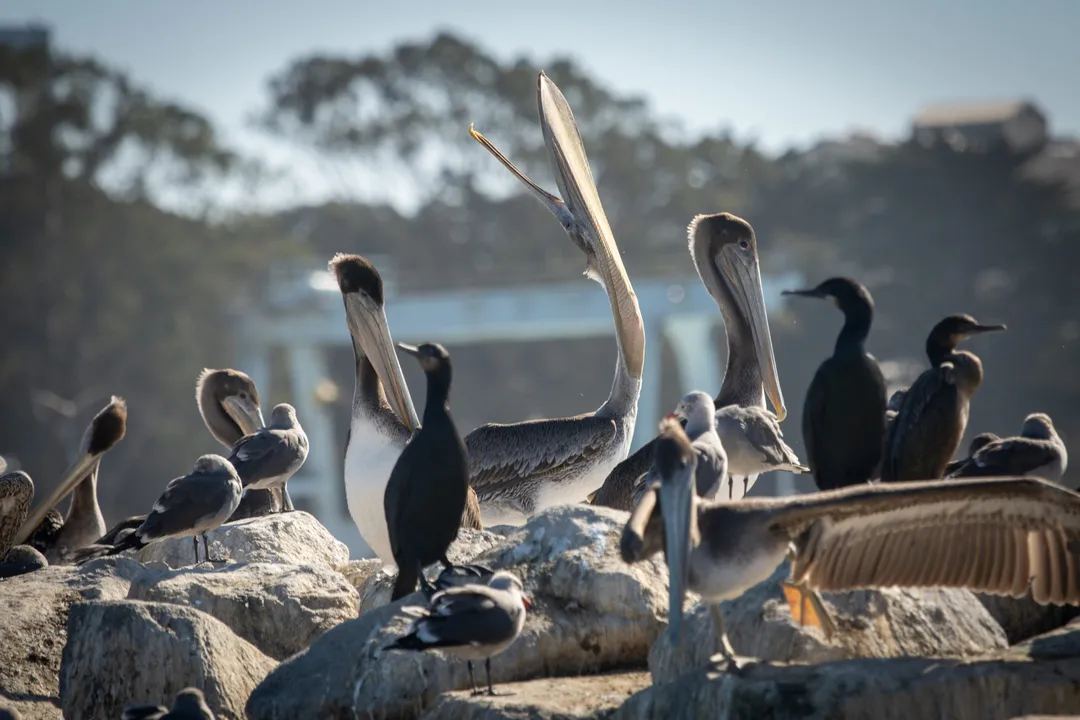
Harbor seals haul out on the banks in numbers and spend much of the day lying on their sides doing very little. Sea lions turn up too, louder and less still. The bird list is the long one: brown pelicans that lift off the water in a group, cormorants, egrets, herons standing in the shallows, godwits and curlews working the mud.
A naturalist rides along and narrates. That is the one thing the booking page lists as included.
The Deck Is Open to the Sky, So Dress for It
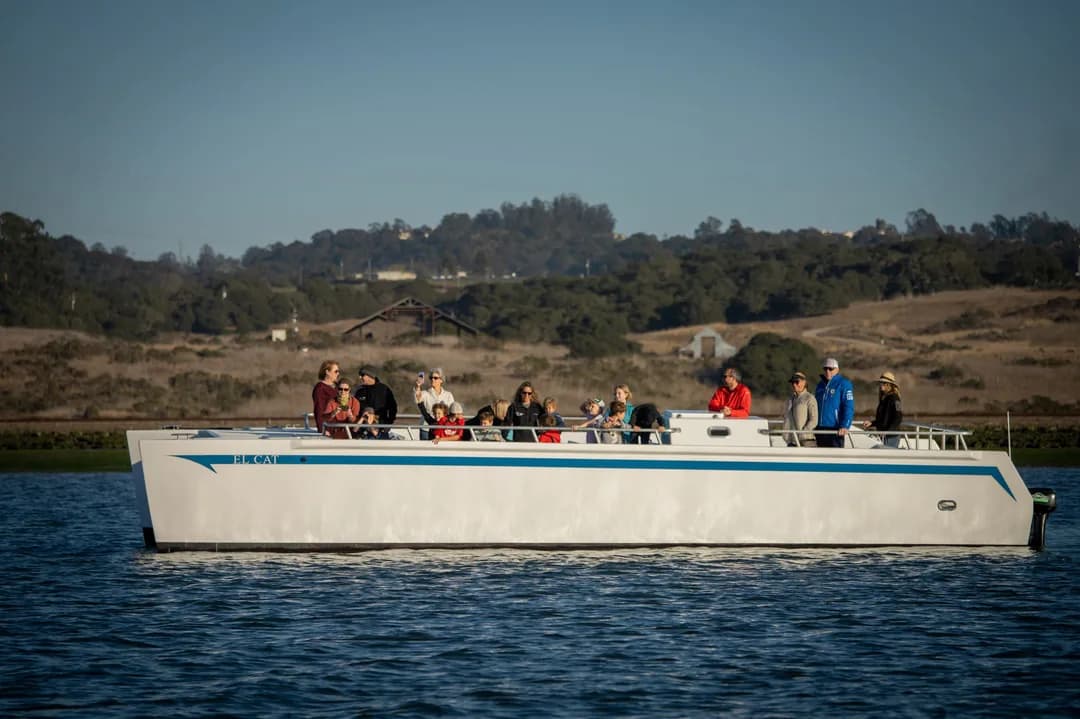
The El Cat is a thirty-seven foot catamaran, custom built in 2019, running two twenty horsepower electric motors off a forty-eight volt battery bank. No fuel, and very little noise. The operator's pitch for the design is that you hear the slough more than you hear the engine, and at the speed the slough allows, that is a fair thing to claim.
Bench seating with high backs runs along the deck and seats thirty-two. There is no roof, so bring a hat, sunglasses and a layer you can put on when the wind comes up. There is a small marine head on board, though the operator would rather you used the restrooms at the dock before boarding. Food and drink are allowed, and the operator runs a bring-your-own policy on scheduled sailings.
The slough is flat water. The operator describes the boat as a very stable platform and says seasickness is not something to plan around.
The Operator Sets a Minimum of Eight Passengers
One person can book. The operator sets a minimum of eight passengers for a public sailing, and says that if a departure does not fill, it will call or email you to reschedule or refund. That is worth knowing if you are planning a midweek trip out of season.
A single booking on this page takes up to six travelers. The boat seats thirty-two, so a busy sailing has other groups aboard.
Every passenger needs a paid ticket regardless of age, and there is no child fare, so the booking form prices an infant the same as an adult. Children are welcome. The Coast Guard lists the El Cat as an inspected passenger vessel, and its current certificate of inspection runs to 2030.
A ramp for step-free boarding exists, but the operator sets it up on request, so ask for it when you book and not when you arrive.
Other logistics worth having straight:
- Arrive at least twenty minutes before departure. The operator says the boat leaves promptly at its scheduled time.
- Booking closes three hours before departure.
- Cancel at least twenty-four hours ahead for a full refund on this booking. Inside twenty-four hours, nothing comes back.
- Service animals are welcome. Other pets stay home on scheduled sailings.
Getting there: from Highway 1 turn onto Moss Landing Road, then onto Sandholt Road in the middle of town, over the bridge past the harbor district, and follow the bend around to the right until the Monterey Bay Eco Tours sign.
Parking is free either way, but the operator's own pages disagree about where. Its FAQ says the gravel lot is reserved for restaurant customers and sends you to the street outside the metal gates, while its directions page points you into the gravel lot. The FAQ is the narrower of the two, so follow it: park free on the street, outside the gates. One traveler wrote about asking several nearby businesses and getting conflicting information, so give yourself a few minutes to find the right spot.
Check in at the booth. The restroom is behind the brown building across the drive, and that is the one the crew would rather you used. Then there is usually a wait by the water before boarding, and that is where a fair number of people meet their first otter of the day.